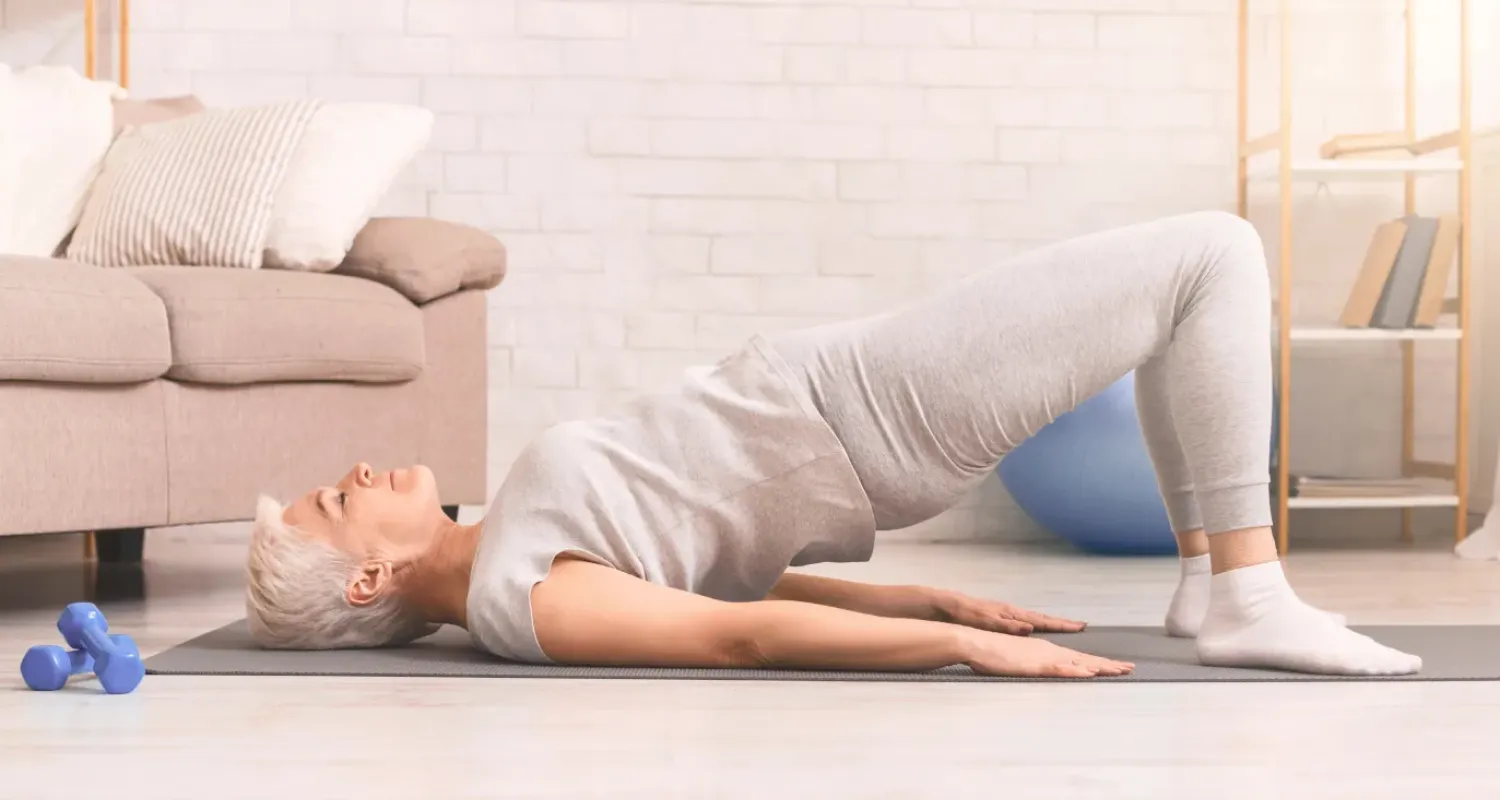
When people think about strength training, the conversation often starts with appearance.
Building muscle. Changing your body composition. Getting stronger.
But strength training is about much more than what you see in the mirror. Strength is one of the foundations of physical independence. It helps you lift, carry, climb, balance, move, and keep doing the activities you enjoy as you get older.
That's why strength training isn't just an investment in how you feel today. It's an investment in the body you want to have years from now.
Strength Is About More Than Muscle
Your body naturally changes as you age, and muscle mass and strength tend to decline over time.
The good news is that regular resistance training can help slow that decline and support muscle strength, mobility, and physical function. You don't need to become a competitive lifter or spend hours in the gym.
Strength training can include:
- Free weights
- Weight machines
- Resistance bands
- Bodyweight exercises
- Kettlebells
- Functional movements
The goal is simple: give your muscles a reason to get stronger.
The Four Long-Term Benefits of Strength Training
1. Build a Stronger Foundation
Strength training helps develop the muscles you rely on every day.
Picking up groceries. Carrying luggage. Getting up from a chair. Climbing stairs. Playing with your kids or grandkids.
These everyday movements may not feel like exercise, but they all require strength.
Building that strength now can make everyday activities easier and help you maintain physical function over time.
2. Protect Your Independence
One of the most valuable things strength gives you is the ability to keep doing things for yourself.
As we age, maintaining muscle strength and physical function becomes increasingly important for mobility and independence.
Strength and balance training can also help reduce the risk of falls and fall-related injuries in older adults.
The goal isn't simply to be strong in the gym.
It's to be strong enough for life.
3. Support Healthy Aging
Aging is inevitable. Losing your ability to move well doesn't have to be.
Research from the National Institute on Aging highlights the role of strength training in maintaining muscle mass, improving mobility, and supporting healthier aging.
Think of strength as a form of physical savings account.
Every time you train, you're building capacity that can help support your future mobility and function.
You don't need to wait until you're older to start.
The earlier you build the habit, the more opportunities you have to maintain it.
4. Make Movement Easier
Strength training doesn't replace cardio, mobility, or other forms of movement.
It complements them.
A well-rounded fitness routine includes different types of activity because your body needs different capabilities: cardiovascular fitness, muscular strength, mobility, balance, and endurance.
Current U.S. physical activity guidelines recommend that adults include muscle-strengthening activities on at least two days each week, alongside regular aerobic activity. The goal isn't to choose between strength and other forms of exercise.
It's to build a body that can do more.
You Don't Have to Lift Heavy to Start
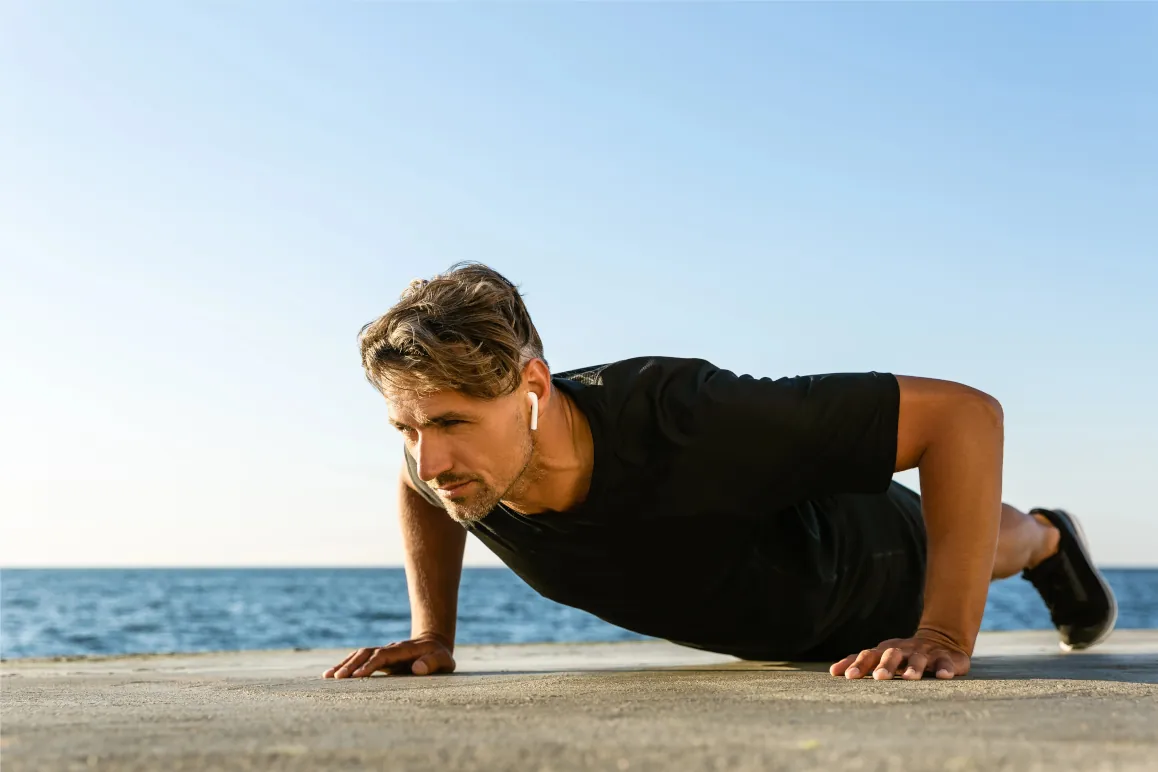
Strength training can meet you where you are.
If you're new to resistance training, you can begin with bodyweight movements, light weights, or resistance bands and gradually increase the challenge as you become more comfortable.
Over time, you can progress by increasing weight, repetitions, sets, or difficulty.
The important part is consistency.
You don't need the perfect program. You need a program you can safely repeat and build on.
Strength Is a Long-Term Investment
It's easy to measure fitness by what happens today.
How many calories did you burn? How much weight did you lift? How fast did you finish?
But some of the most valuable results of exercise take years to reveal themselves.
Strength training can help you build the physical capacity to keep moving, stay active, and maintain independence as you age.
That's a different way to think about fitness.
You're not just working out for today's body. You're building tomorrow's body.
At Vibe, we believe fitness should support your entire life, not just your next workout. Movement, nutrition, recovery, and community all play a role in creating a healthier future.
Continue Your Journey
Strength doesn't have to be complicated. Find more ways to build it throughout the Vibe ecosystem.
Recommended Experiences
- Build strength through Vibe Group Fitness classes focused on strength, resistance, or functional movement.
- Work with a Vibe FIT coach to create a progressive strength training plan.
- Fuel your training with balanced options from Pure Eats.
- Explore Vibe Life for more strategies around healthy aging and long-term wellness.
- Pair strength training with recovery-focused experiences like Yoga or Mobility.
The best time to start investing in your future strength is today.
Because every rep isn't just building a stronger you now. It's helping build the strength you'll rely on for years to come.