Stress Is a Part of Life. Staying Stuck in It Doesn't Have to Be.
Stress is something everyone experiences.
A busy work week. Family responsibilities. Financial pressures. Health concerns. Big life changes. Even exciting events can create stress.
While short periods of stress are a normal part of life, chronic stress can begin to affect your physical health, mental well-being, relationships, recovery, and overall quality of life.
The goal isn't to eliminate stress completely.
The goal is learning how to respond to it in a way that supports your long-term health.
At Vibe, we believe managing stress isn't separate from wellness.
It's one of the habits that helps build it.
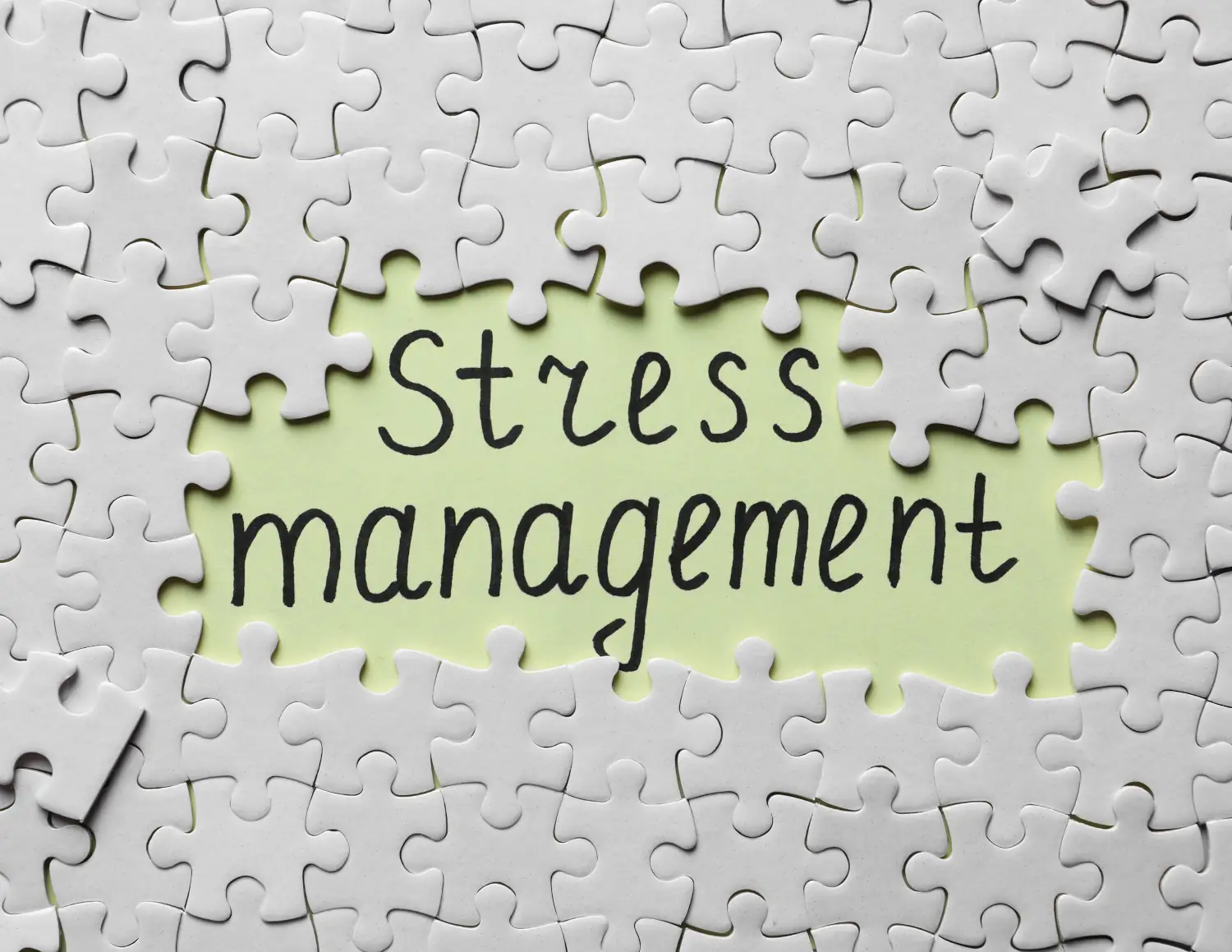
What Is Stress?
Stress is your body's natural response to challenges, change, or perceived threats.
When you're under stress, your brain signals your body to release hormones such as adrenaline and cortisol. These hormones prepare you to react quickly by increasing your heart rate, sharpening your focus, and directing energy toward essential functions.
This response can be incredibly helpful in the short term.
The challenge comes when your body stays in that heightened state for long periods without enough time to recover.
Just like a muscle can't perform at its best without recovery, your mind and nervous system need opportunities to reset.
How Chronic Stress Can Affect Your Health
Stress doesn't only affect how you feel emotionally.
Over time, it may influence many aspects of your health, including:
- Sleep quality
- Energy levels
- Exercise performance
- Recovery
- Focus and concentration
- Mood
- Appetite
- Blood pressure
- Immune function
Many people assume they're simply "tired" when they're actually experiencing the effects of prolonged stress.
Learning to recognize those signs is the first step toward improving them.

Common Signs You're Feeling Overwhelmed
Stress looks different for everyone, but common signs include:
- Difficulty falling or staying asleep
- Feeling exhausted despite getting enough rest
- Irritability or feeling easily frustrated
- Trouble concentrating
- Constant muscle tension
- Frequent headaches
- Digestive discomfort
- Feeling unmotivated
- Increased cravings for highly processed foods
- Skipping workouts or losing interest in activities you normally enjoy
Experiencing one or more of these symptoms doesn't necessarily mean something is wrong, but it may be your body's way of asking for more support.
Healthy Ways to Manage Stress
There isn't one perfect stress management technique.
The most effective approach is usually combining several small habits that help your body return to a calmer, more balanced state.
Move Your Body
Exercise is one of the most effective ways to help regulate stress.
You don't have to complete an intense workout to experience the benefits.
Walking, strength training, yoga, cycling, Pilates, or joining a Group Fitness class can all help improve mood while creating space to reset mentally.
Movement isn't just good for your body.
It's good for your nervous system.
Prioritize Recovery
Recovery is often overlooked when life gets busy.
Ironically, it's when you need it most.
Quality sleep, mobility work, stretching, hydration, and taking time to rest all help your body recover from both physical and emotional stress.
Recovery isn't a reward for working hard.
It's part of staying healthy.
Nourish Your Body
When you're stressed, it's easy to skip meals or reach for convenience foods.
While no single food eliminates stress, eating balanced meals throughout the day helps provide your body with the energy and nutrients it needs to function well.
Staying hydrated and limiting excessive caffeine may also help some people feel more balanced throughout the day.

Stay Connected
One of the most powerful stress management tools isn't found in a supplement or workout.
It's community.
Talking with friends, spending time with family, joining a fitness class, or participating in community events can help reduce feelings of isolation and remind you that you're not carrying everything alone.
Support is a form of wellness.
Create Space to Slow Down
Your nervous system benefits from moments of calm.
That might look like:
- Reading a book
- Going for a walk without your phone
- Practicing deep breathing
- Stretching before bed
- Journaling
- Spending time outside
Small moments of stillness throughout the day can help you recharge.
Stress and The Vibe Method
Managing stress isn't about doing one thing perfectly.
It's about building habits that help your body adapt over time.
MOVE
Regular movement helps your body manage stress while supporting both physical and mental well-being.
FUEL
Balanced nutrition and hydration provide the energy your body needs during periods of increased stress.
RECOVER
Quality sleep, mobility, and recovery help your nervous system reset and prepare for tomorrow.
LEARN
Understanding how stress affects your body empowers you to recognize signs earlier and make informed choices that support your health.
CONNECT
Strong relationships and supportive communities remind us that wellness isn't something we have to build alone.

When Should You Seek Additional Support?
Everyone experiences stress.
However, if stress begins interfering with your relationships, work, sleep, physical health, or daily life, it may be time to speak with a qualified healthcare or mental health professional.
Asking for support is not a sign of weakness.
It's an important part of taking care of your overall well-being.
Apply The Vibe Method Today
You don't need to change everything at once.
Choose one small action from each pillar.
MOVE
Take a 20-minute walk or attend a Group Fitness class this week.
FUEL
Eat one balanced meal today and remember to stay hydrated.
RECOVER
Aim for seven to nine hours of sleep tonight or spend five minutes stretching before bed.
LEARN
Continue reading Sleep 101 to discover how quality sleep supports stress management and recovery.
CONNECT
Invite a friend to a workout, attend a Vibe community event, or join a Vibe Run to experience the benefits of movement alongside others.
Stress Is Part of Life. Wellness Is How You Respond.
You can't control every challenge life brings.
But you can build habits that help you respond with greater resilience.
At Vibe, The Vibe Method brings together movement, nutrition, recovery, education, and community to help you create a lifestyle that supports both your physical and mental well-being.
Because wellness isn't about avoiding stress.
It's about building the tools to move through it with strength, balance, and support.

Frequently Asked Questions
Can exercise really help reduce stress?
Yes. Physical activity encourages the release of endorphins, chemicals that can improve mood and promote a sense of well-being. Exercise also provides an opportunity to step away from daily stressors, improve sleep quality, and support overall mental health. You don't need an intense workout to experience these benefits. Walking, yoga, strength training, cycling, and Group Fitness classes can all play a role in managing stress.
What are the physical symptoms of stress?
Stress affects everyone differently, but common physical symptoms may include:
- Muscle tension
- Headaches
- Fatigue
- Digestive discomfort
- Trouble sleeping
- Increased heart rate
- Changes in appetite
If these symptoms become frequent or begin interfering with daily life, it's important to speak with a qualified healthcare professional.
What is the difference between healthy stress and chronic stress?
Short-term stress is your body's natural response to challenges. It helps you stay alert and respond quickly when needed.
Chronic stress occurs when your body remains in a heightened state for long periods without adequate recovery. Over time, chronic stress may affect sleep, mood, recovery, cardiovascular health, and overall well-being.
Learning how to recover from stress is just as important as learning how to manage it.
Can stress affect my workouts?
Absolutely.
High stress levels may affect motivation, recovery, focus, sleep quality, and energy levels. Many people notice workouts feel harder during particularly stressful periods.
Rather than pushing harder, it can be helpful to prioritize recovery, adjust workout intensity when needed, and focus on consistency rather than perfection.
How long does it take to reduce stress?
There isn't one timeline because everyone's situation is different.
Some stress-relieving activities, like deep breathing or going for a walk, may help you feel calmer within minutes.
Long-term improvements usually come from building consistent habits such as regular exercise, quality sleep, balanced nutrition, and meaningful social connection.
Is stress always bad?
Not necessarily.
Short periods of stress can actually help improve focus, performance, and resilience.
Problems tend to arise when stress becomes constant and your body doesn't have enough time to recover.
The goal isn't to eliminate stress entirely.
It's to develop healthy ways to respond to it.
Can nutrition help manage stress?
Nutrition plays an important role in overall health and energy levels.
Eating balanced meals throughout the day helps provide your body with the nutrients it needs to function well during periods of stress. Staying hydrated and maintaining consistent eating habits may also support overall well-being.
While nutrition is one important piece of the puzzle, managing stress is most effective when combined with movement, recovery, education, and social connection.
When should I seek professional help for stress?
Everyone experiences stress, but if it begins interfering with your work, relationships, sleep, physical health, or ability to enjoy daily life, it's a good idea to speak with a healthcare provider or licensed mental health professional.
Seeking support is a proactive step toward protecting your long-term health.