When most people think about making progress in the gym, they focus on the workout itself. The heavier lift, the faster run, or the extra rep often gets all the attention. But the truth is, your body doesn't get stronger during exercise. It gets stronger during recovery.
Every workout creates stress on your muscles, nervous system, and energy stores. Recovery is the process that allows your body to repair, rebuild, and adapt so you're ready to perform even better the next time.
Whether your goal is to build strength, lose weight, improve endurance, or simply feel healthier, prioritizing recovery is just as important as showing up for your workout.
What Happens After You Exercise?
The moment you finish a workout, your body begins working behind the scenes.
Your heart rate gradually returns to normal, your muscles begin repairing microscopic tears created during training, and your body starts replenishing the energy it used during exercise. This process is what allows muscles to become stronger, endurance to improve, and overall fitness to increase over time.
Without proper recovery, your body never has the opportunity to fully adapt.
The Four Pillars of Recovery
1. Refuel Your Body
Exercise uses stored energy, protein, fluids, and electrolytes. Replacing those nutrients helps support muscle repair and replenish energy levels.
Aim to include:
- Lean protein to support muscle recovery
- Complex carbohydrates to restore energy
- Healthy fats to support overall health
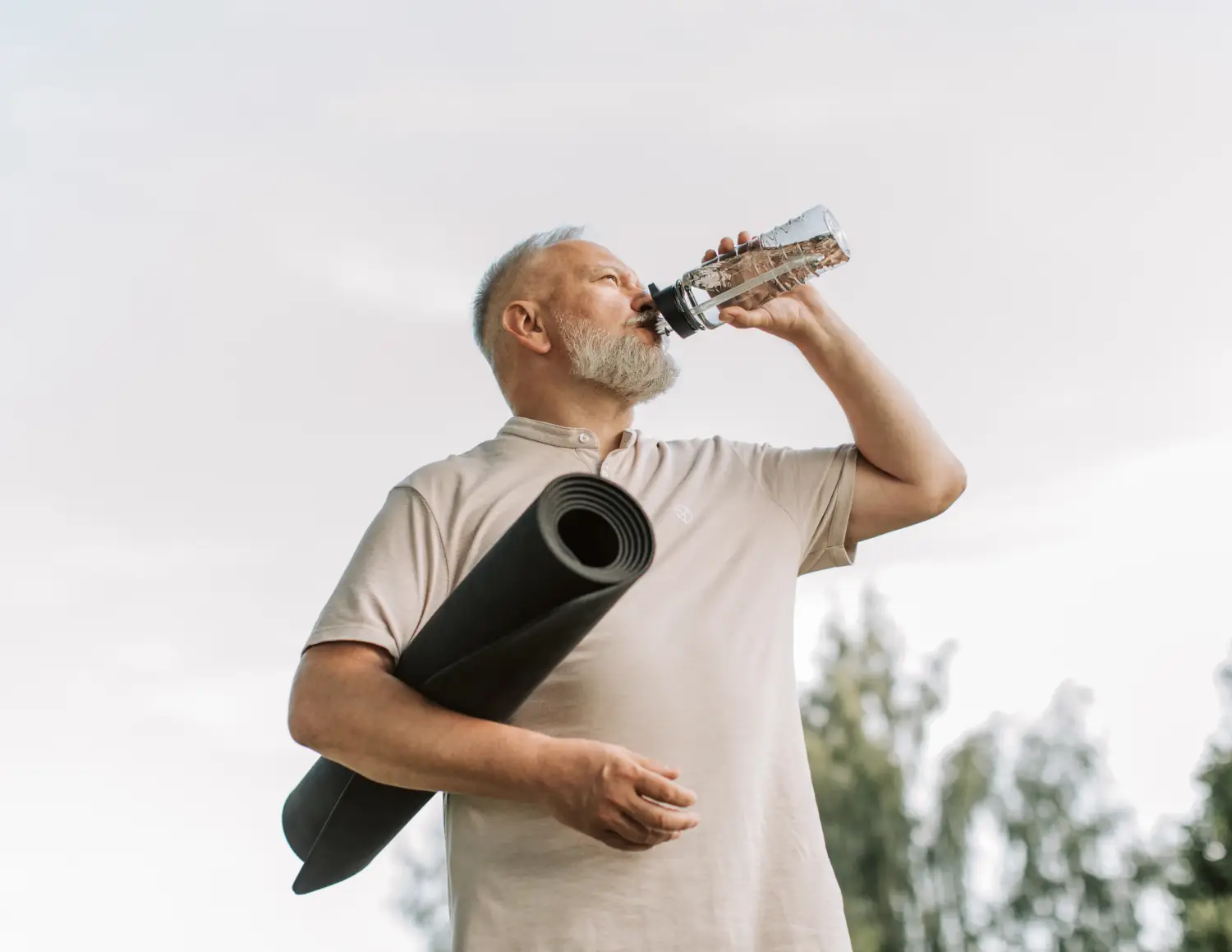
- Plenty of water throughout the day
Recovery isn't about eating perfectly. It's about giving your body the nutrients it needs to continue performing well.
2. Rehydrate
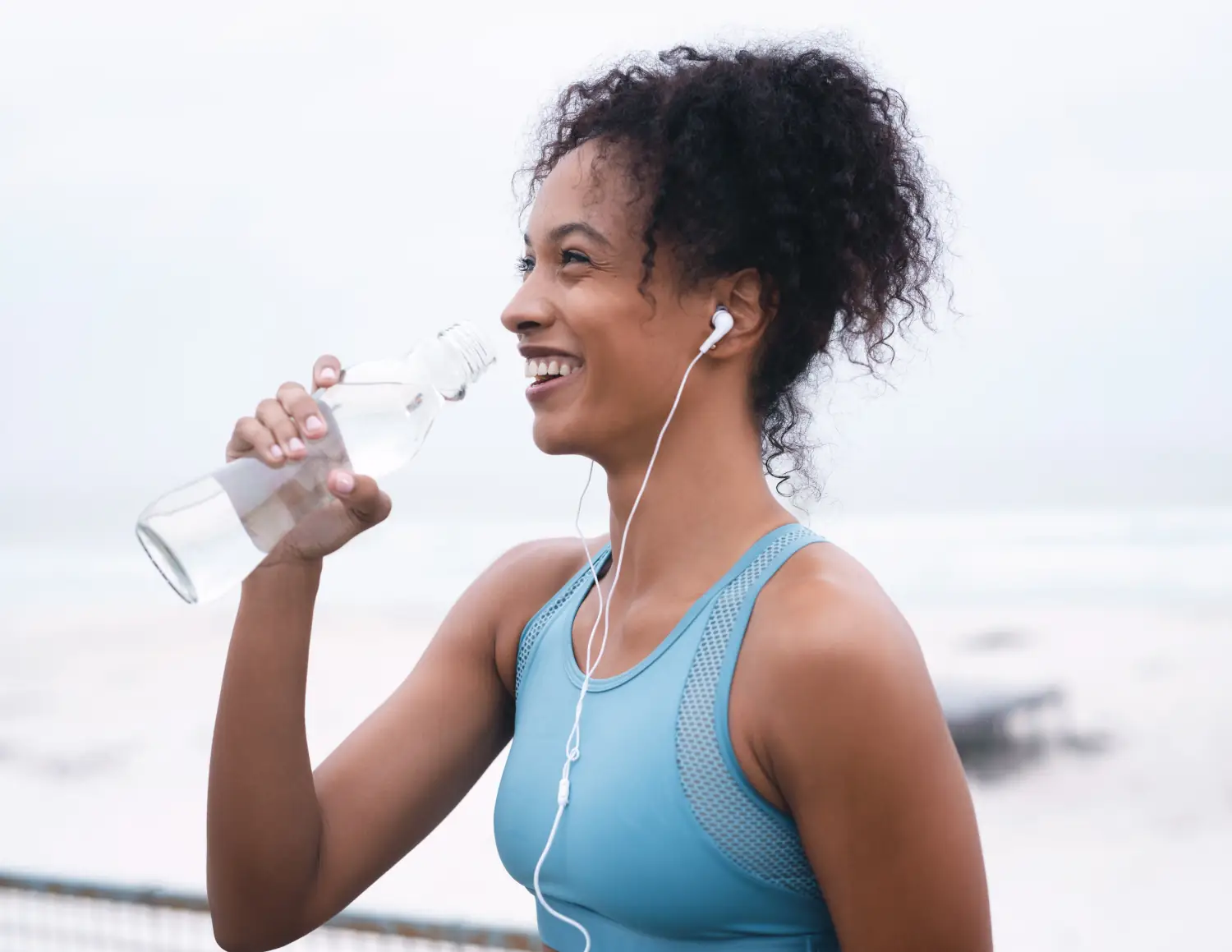
Even mild dehydration can affect performance, recovery, and energy.
Water helps regulate body temperature, transport nutrients, and support nearly every function involved in recovery.
If you've completed an intense workout or spent time exercising in the heat, replenishing electrolytes may also help support hydration.
A simple way to monitor hydration is to pay attention to your thirst and aim for pale yellow urine throughout the day.
3. Prioritize Sleep
Sleep is where much of your body's recovery takes place.
During sleep, your body repairs muscle tissue, regulates hormones, supports immune function, and prepares you for the next day.
Adults should generally aim for 7 to 9 hours of quality sleep each night to support overall health and recovery.
If you're training consistently but feeling exhausted, sore, or unable to progress, improving your sleep habits may have a greater impact than adding another workout.

4. Keep Moving
Recovery doesn't always mean complete rest.
Light movement can improve circulation, reduce stiffness, and help you feel better between workouts.
Recovery activities might include:
- Walking
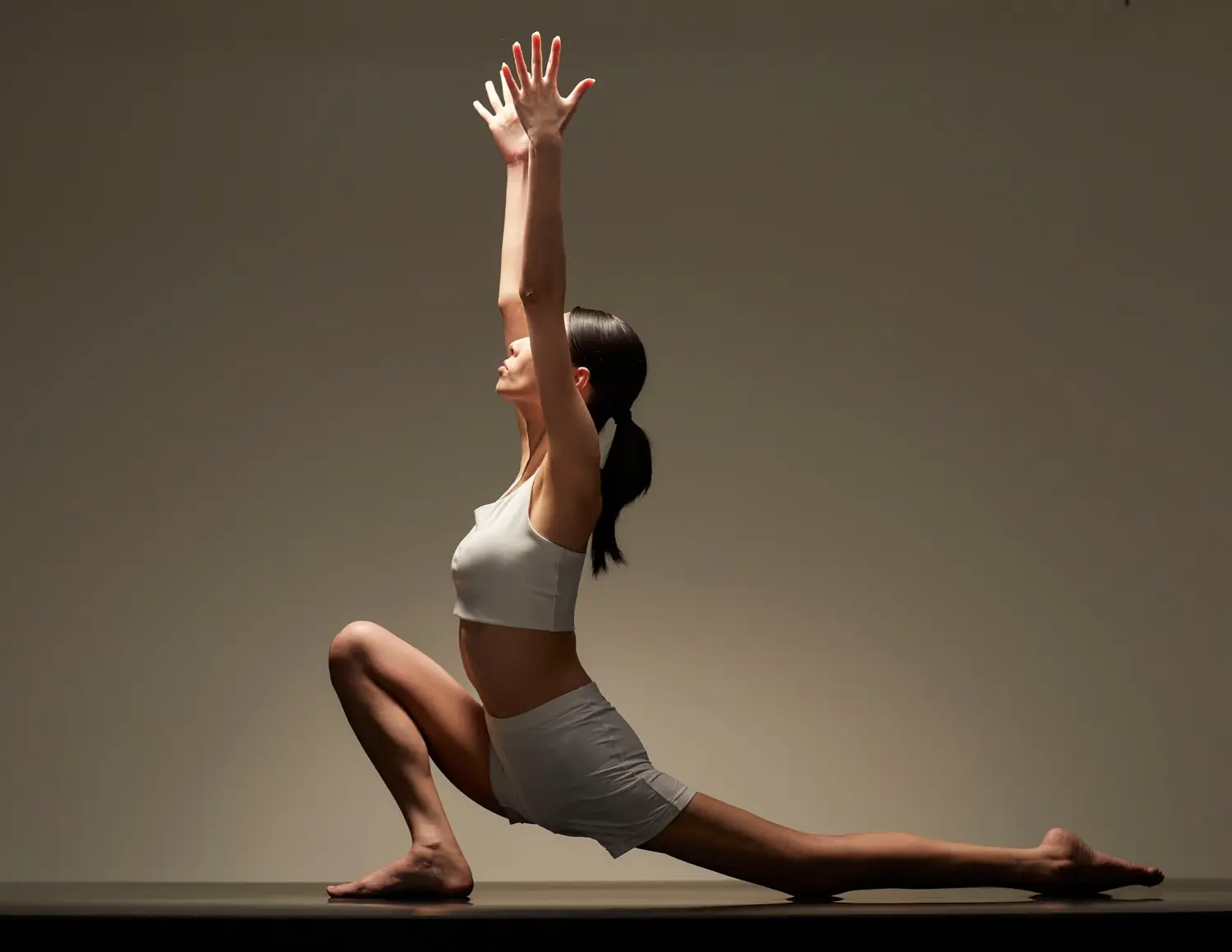
- Gentle stretching
- Mobility work
- Yoga
- Easy cycling
The goal isn't to challenge your body again. It's to help it recover.
Signs You May Need More Recovery
Your body often tells you when it needs additional rest.
Pay attention if you notice:
- Persistent soreness lasting several days
- Constant fatigue
- Declining performance
- Poor sleep
- Low motivation
- Increased irritability
- Feeling unusually heavy or sluggish during workouts
Taking an extra recovery day isn't losing progress. It can help you continue making progress over the long term.
Recovery Is Part of the Program
It's easy to think recovery only matters for athletes, but every body benefits from it.
Recovery allows you to show up stronger, train more consistently, reduce injury risk, and enjoy exercise for years to come.
At Vibe, we believe movement, nutrition, recovery, and community all work together. The best fitness routine isn't simply the one that pushes you the hardest. It's the one your body can recover from and repeat consistently.

Continue Your Journey
Recovery doesn't end when your workout does. Explore more ways to support your health throughout the Vibe ecosystem.
Recommended Experiences
- Join a recovery-focused Group Fitness class like Yoga or Mobility.
- Fuel your body with balanced options from Pure Eats.
- Learn more about long-term wellness through Vibe Life.
- Explore the Recover Better Member Journey for deeper recovery strategies.
- Connect with a Vibe FIT coach to build a training plan that balances intensity with recovery.
Recovery is not a pause in your progress. It's where your progress begins.