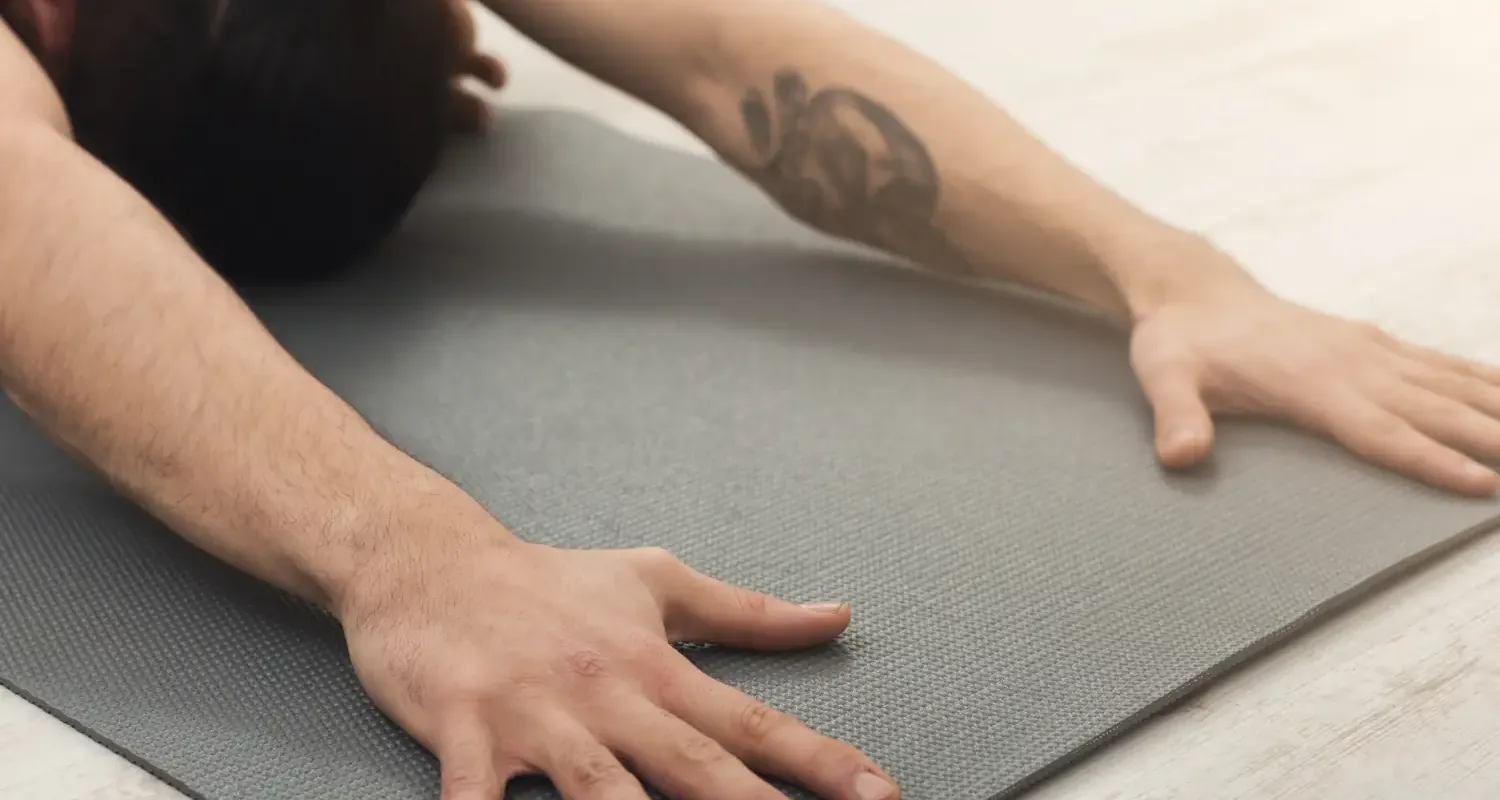
You Don't Have to Be Flexible to Start Yoga
One of the biggest misconceptions about yoga is that you need to be flexible before you begin.
You don't.
In fact, improving flexibility is one of the reasons many people practice yoga in the first place.
Whether you've never stepped onto a yoga mat or you're returning after years away, yoga meets you exactly where you are.
It's not about touching your toes, mastering advanced poses, or comparing yourself to the person next to you.
It's about learning to move with intention, breathe with purpose, and connect with your body.
At Vibe, we believe yoga is for every body, every age, and every stage of your wellness journey.
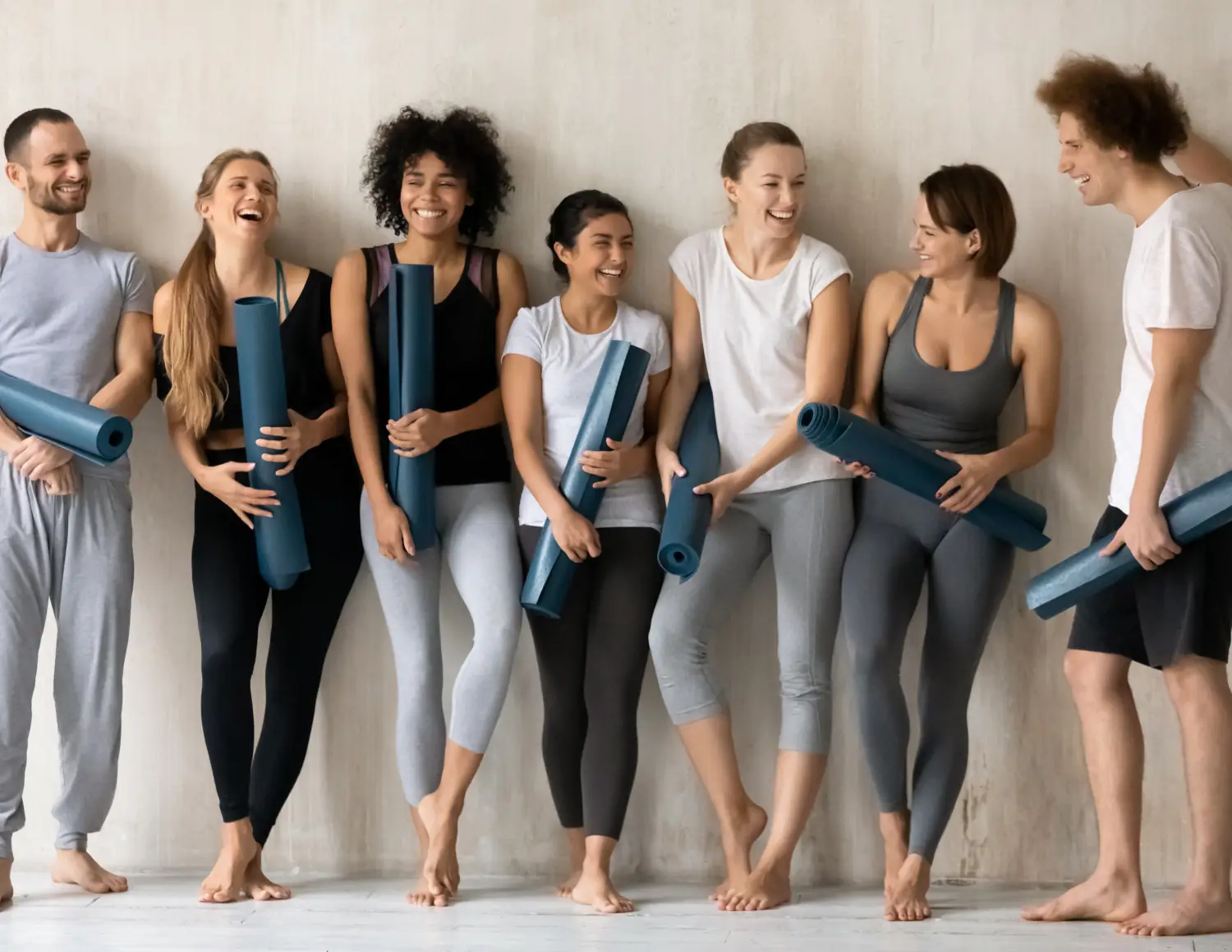
What Is Yoga?
Yoga is a practice that combines movement, breathing, balance, and mindfulness to support both physical and mental well-being.
While there are many styles of yoga, most classes focus on moving through a series of poses while coordinating your breath with each movement.
Yoga can help improve:
- Flexibility
- Mobility
- Balance
- Strength
- Body awareness
- Stress management
- Recovery
- Mind-body connection
Every class is an opportunity to move, reset, and reconnect with yourself.
Do I Need Experience?
Absolutely not.
Yoga is one of the most beginner-friendly forms of exercise because every pose can be modified to match your experience level.
Your instructor will encourage you to move at your own pace, take breaks when needed, and choose variations that feel appropriate for your body.
There is no expectation that you'll know every pose on your first day.
Showing up is enough.
What Should I Expect During My First Class?
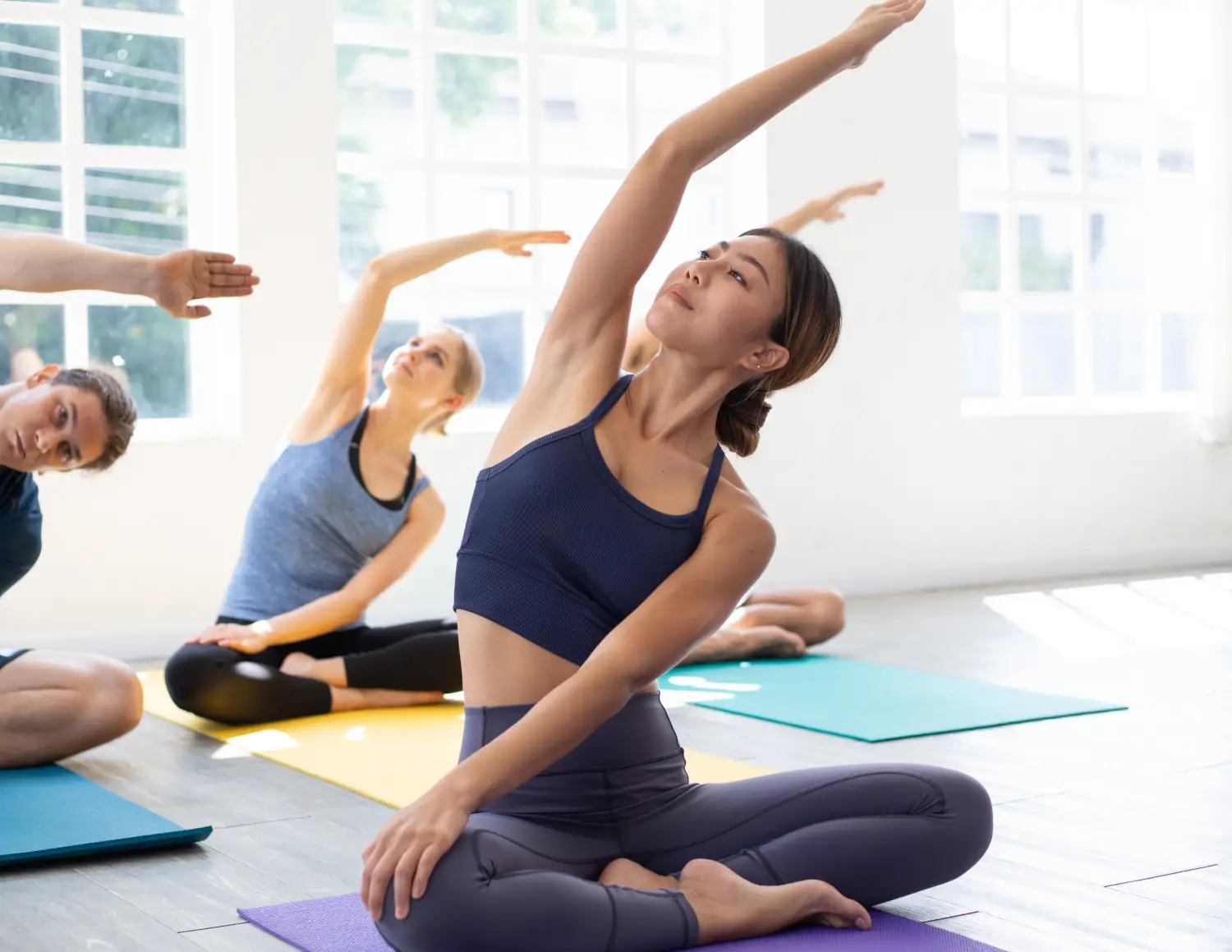
While every instructor brings their own style, a typical yoga class includes:
- Gentle breathing exercises
- A guided warm-up
- Standing and seated poses
- Balance work
- Stretching
- Relaxation at the end of class
Some classes move slowly and emphasize recovery, while others are more active and strength-focused.
No two yoga classes are exactly alike.
What Should I Wear?
Comfort is key.
Wear clothing that allows you to move freely.
Most people choose:
- Athletic leggings or shorts
- A comfortable T-shirt or tank top
- Moisture-wicking athletic wear
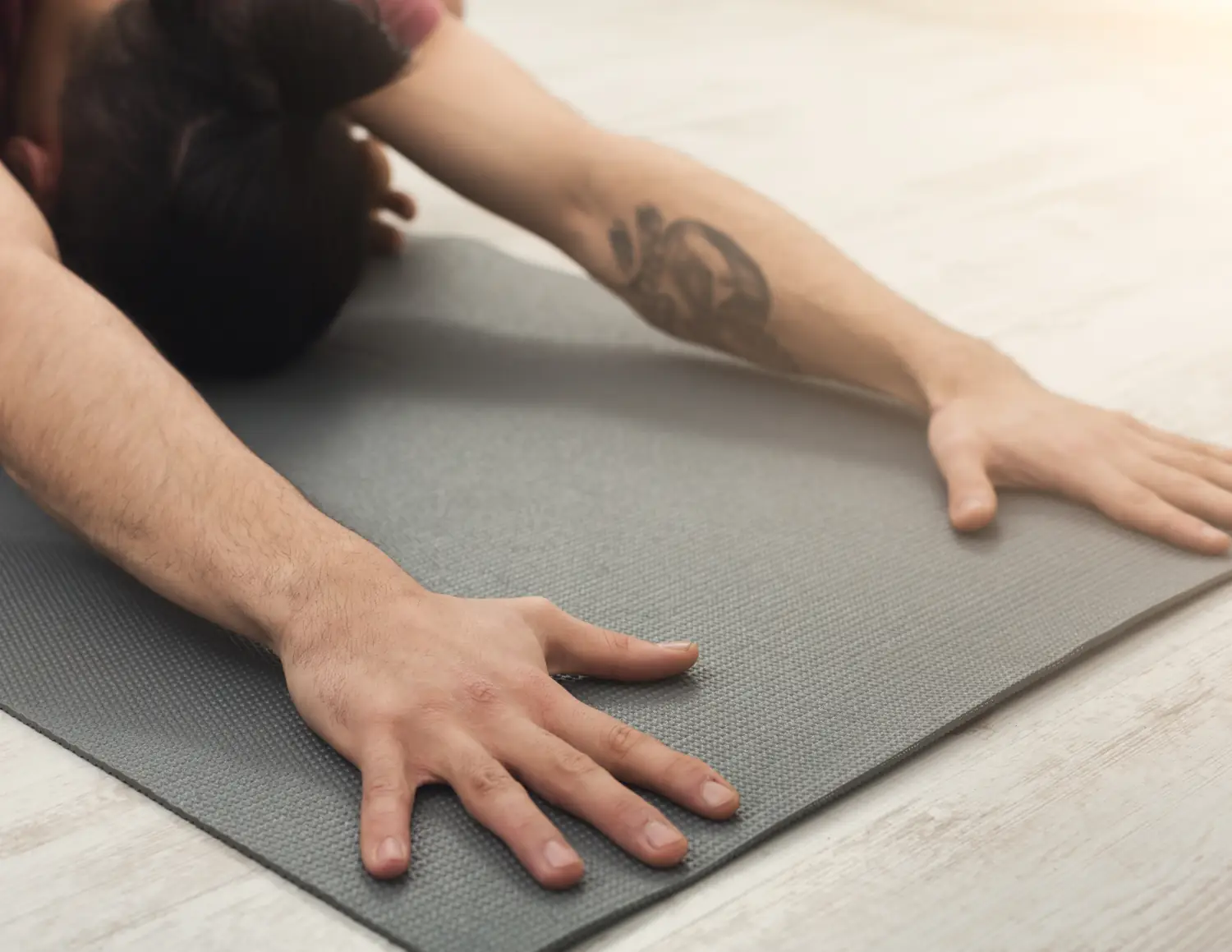
Yoga is typically practiced barefoot to improve stability and connection with the floor.
Bring a water bottle and, if needed, a small towel.
What If I'm Not Flexible?
That's completely okay.
Flexibility is not a requirement.
Yoga helps improve flexibility over time through consistent practice.
Your goal isn't to force your body into a pose.
It's to explore movement safely while respecting your current range of motion.
Progress happens gradually.
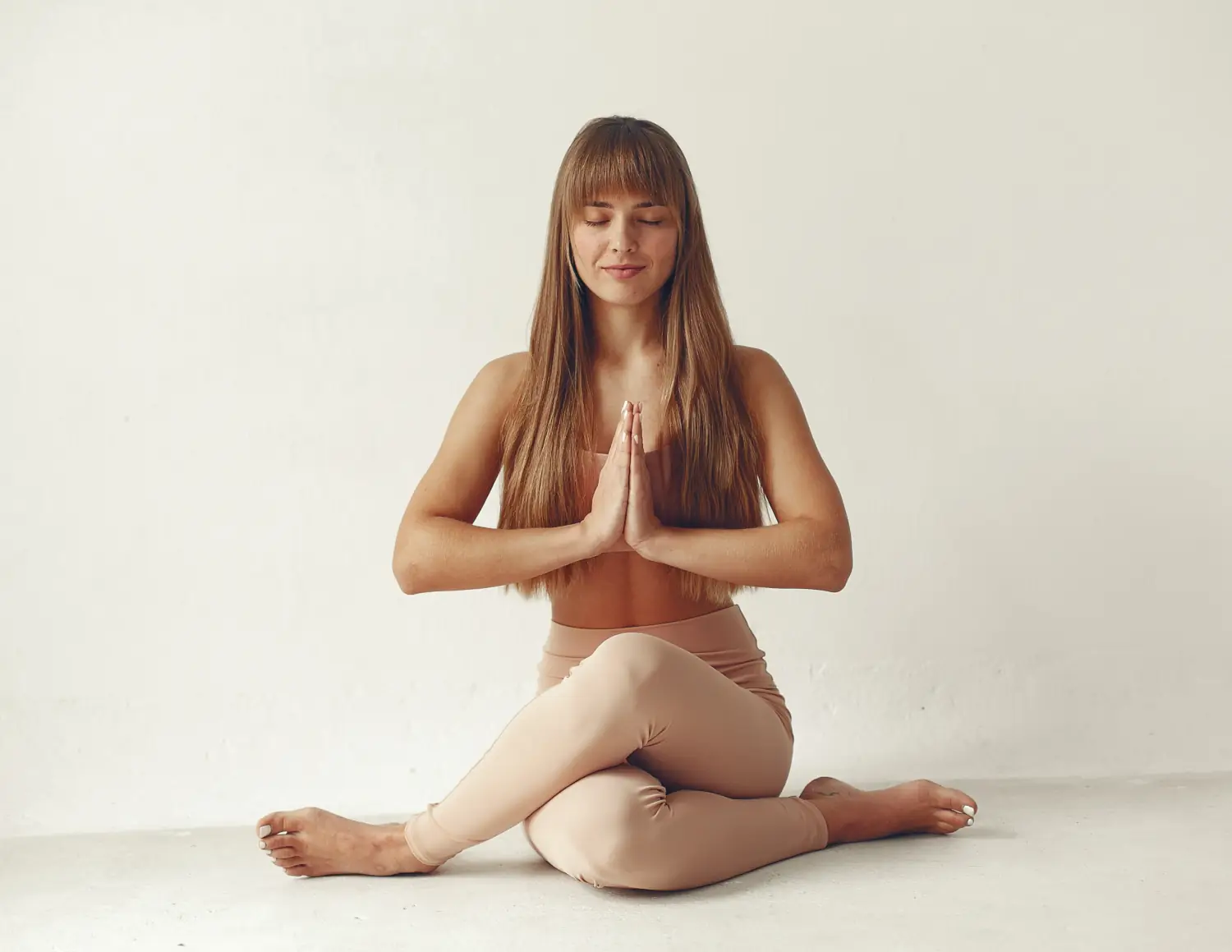
Is Yoga a Workout?
Yes, although it may look different from traditional workouts.
Many styles of yoga build strength, improve endurance, increase mobility, and challenge your balance while also encouraging mindfulness and controlled breathing.
Rather than measuring success by how much you sweat, yoga focuses on the quality of your movement and how you feel during and after class.
The Benefits of Yoga
A consistent yoga practice may help support:
- Improved flexibility
- Better balance
- Greater mobility
- Increased core strength
- Improved posture
- Reduced stress
- Better body awareness
- Recovery between workouts
Yoga also provides something that's becoming increasingly rare:
Time to slow down.
Yoga Complements Every Workout
Many people think yoga is only for recovery days.
In reality, yoga can improve almost every other form of exercise.
Whether you enjoy:
- Strength Training
- Running
- Cycling
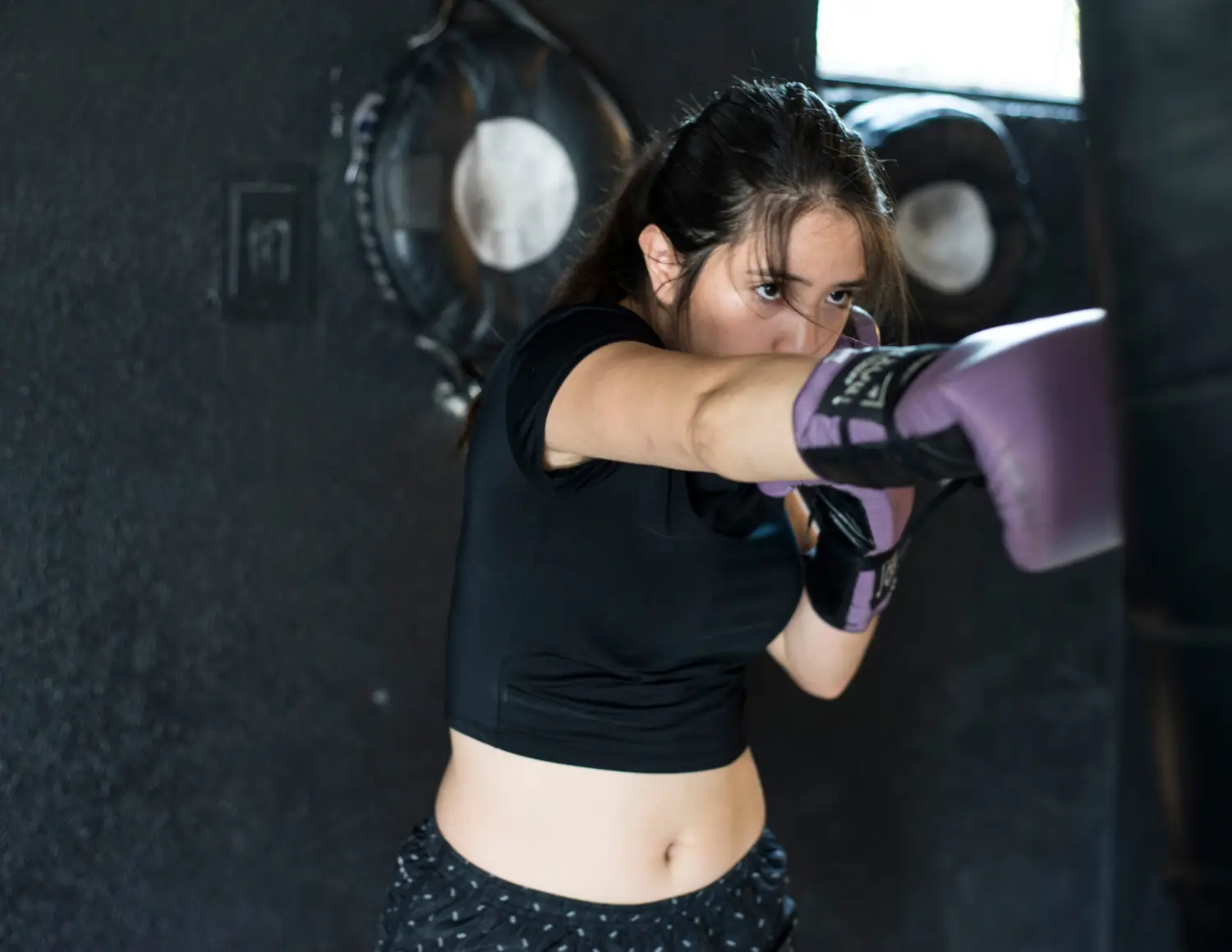
- Boxing
- Pilates
- HIIT
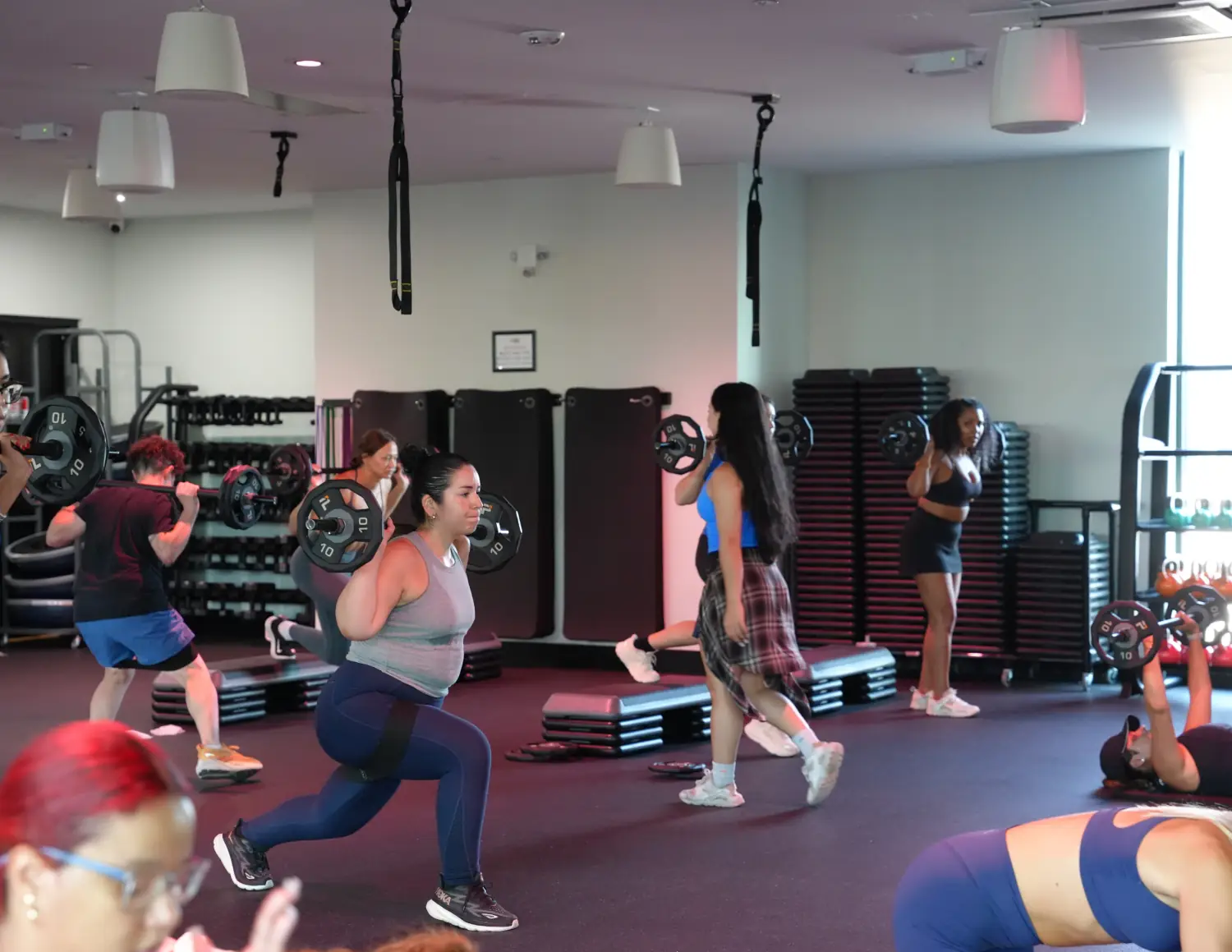
- Vibe FIT
Yoga helps improve movement quality, mobility, balance, and recovery, making it an excellent addition to almost any fitness routine.
Yoga and The Vibe Method
Yoga supports every pillar of The Vibe Method.
MOVE
Yoga builds mobility, balance, flexibility, and strength while helping you move with greater confidence and control.
FUEL
Proper hydration and balanced nutrition support energy during class and recovery afterward.
Listening to your body's needs is part of practicing yoga.
RECOVER
Yoga encourages recovery by improving mobility, reducing muscular tension, and creating space to slow down after demanding workouts or busy days.
LEARN
Yoga teaches body awareness.
You begin noticing how you breathe, move, balance, and respond to physical and mental challenges.
That awareness carries into every other part of your wellness journey.
CONNECT
Yoga reminds us that wellness isn't something we build alone.
Practicing alongside others creates encouragement, accountability, and a sense of belonging, whether you're attending your first class or your hundredth.
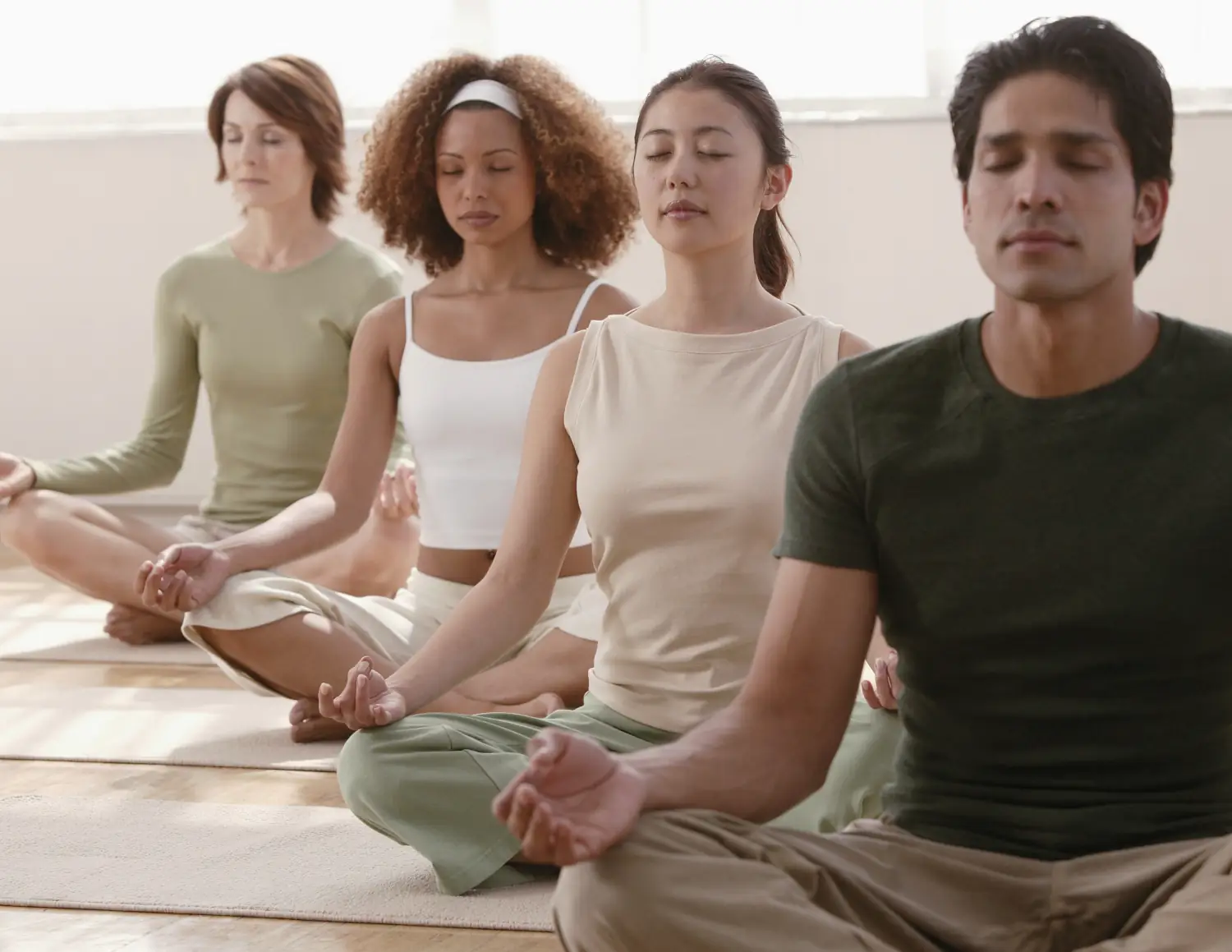
Find Your Practice at Vibe
Our yoga classes are designed to welcome members of all experience levels.
Whether you're looking to improve flexibility, reduce stress, recover from strength training, or simply spend an hour focusing on yourself, our instructors will help you build confidence one class at a time.
There is no perfect place to begin.
There is only your first class.
Questions We Hear Every Day
Do I have to be flexible to do yoga?
No.
Yoga helps improve flexibility over time. Many people begin practicing because they feel stiff or have limited mobility.
Is yoga good for beginners?
Yes.
Most yoga classes can be modified for beginners, and instructors provide guidance throughout class so participants can move at a pace that feels comfortable.
Will yoga help me build strength?
Yes.
Many yoga poses require you to support your own body weight, helping build strength, stability, balance, and muscular endurance alongside flexibility.
What if I can't do every pose?
That's completely normal.
Yoga is about exploring movement, not performing every pose perfectly. Modifications are encouraged, and resting when needed is always an option.
How often should I practice yoga?
Even one or two classes each week can provide benefits. Like any form of exercise, consistency is more important than perfection.
Is yoga considered recovery?
It can be.
Many people use yoga as part of their recovery routine because it encourages gentle movement, mobility, flexibility, and stress management while complementing more intense forms of exercise.
Should I eat before yoga?
A light meal or snack one to three hours before class is often comfortable for many people. Hydration is also important before, during, and after your practice.
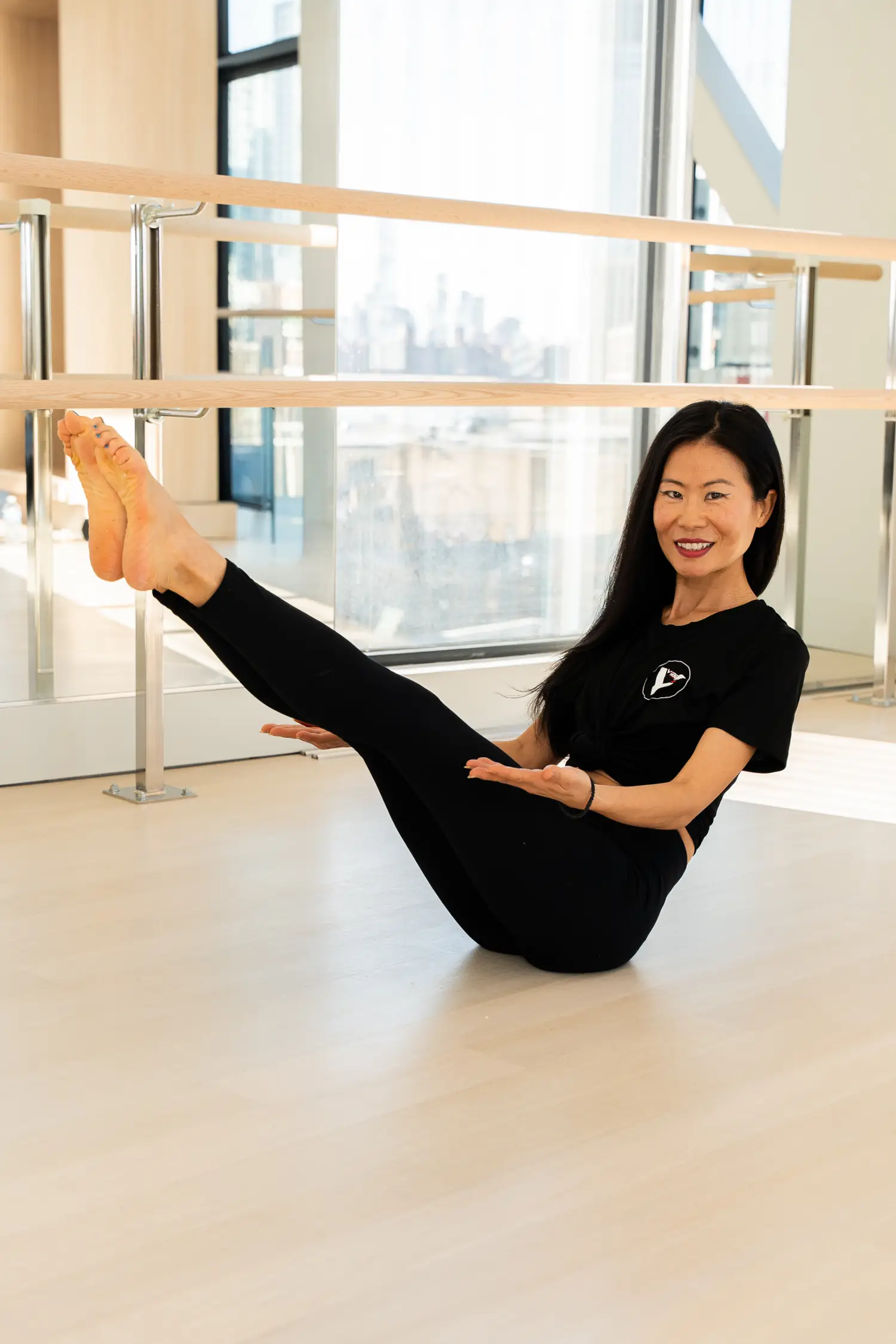
Apply The Vibe Method
MOVE
Try your first yoga class this week and focus on how your body feels rather than how the poses look.
FUEL
Stay hydrated and enjoy a balanced meal before or after class to support your energy and recovery.
RECOVER
Use yoga as part of your weekly recovery routine to complement strength training, running, or Group Fitness.
LEARN
Continue reading Mobility 101, Recovery 101, or Stress Management 101 to learn how movement and mindfulness support long-term wellness.
CONNECT
Introduce yourself to your instructor, attend class with a friend, or become part of Vibe's yoga community. Every class is an opportunity to connect with others while reconnecting with yourself.
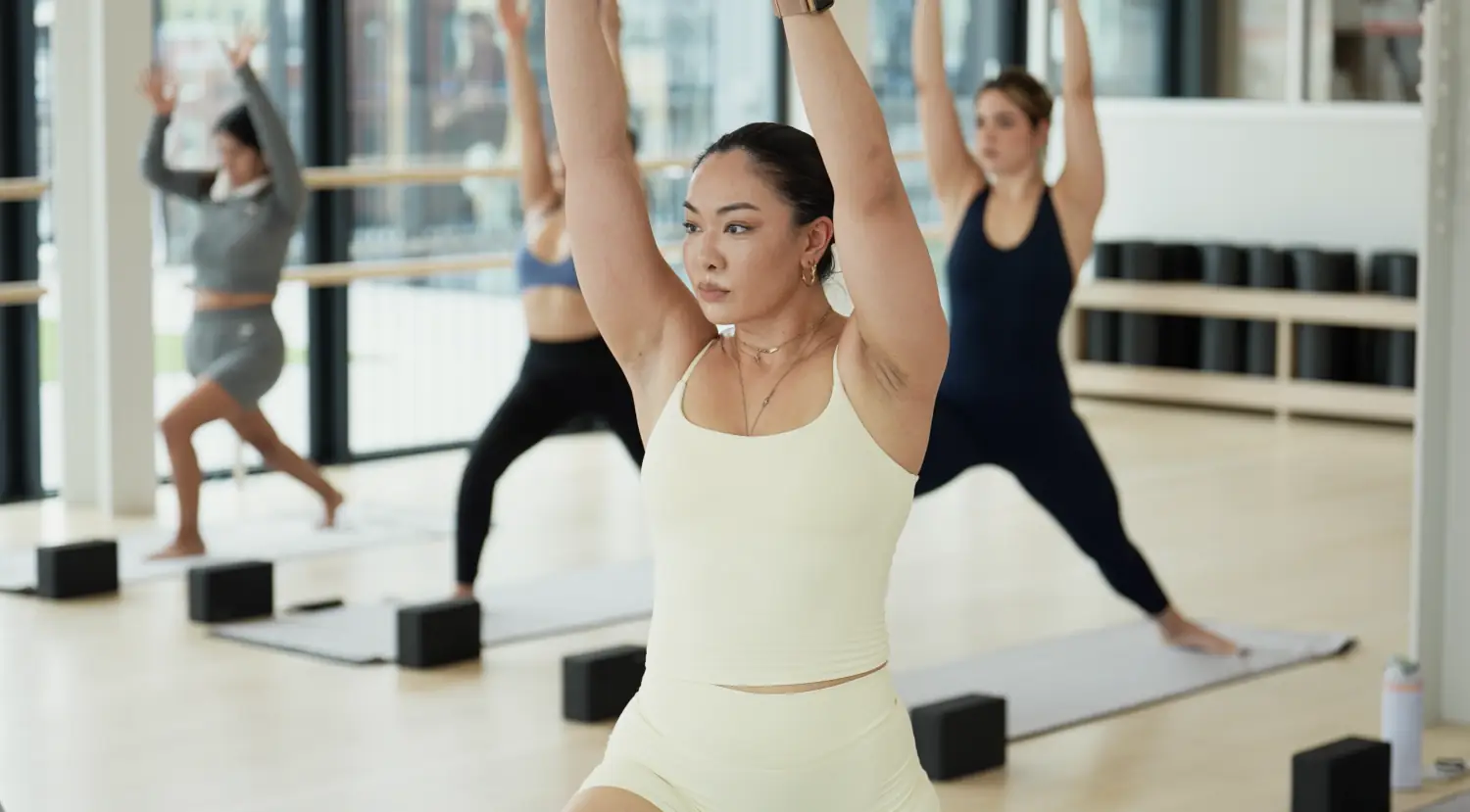
Your Practice Begins Exactly Where You Are
Yoga isn't about becoming the most flexible person in the room.
It's about becoming more connected to your body, your breath, and your well-being.
At Vibe, The Vibe Method reminds us that lasting wellness comes from balancing movement, nutrition, recovery, education, and community. Yoga brings those pillars together in a way that strengthens not only your body, but also your ability to slow down, stay present, and care for yourself consistently.
Because yoga isn't about reaching a destination.
It's about meeting yourself where you are today and returning to the mat tomorrow.