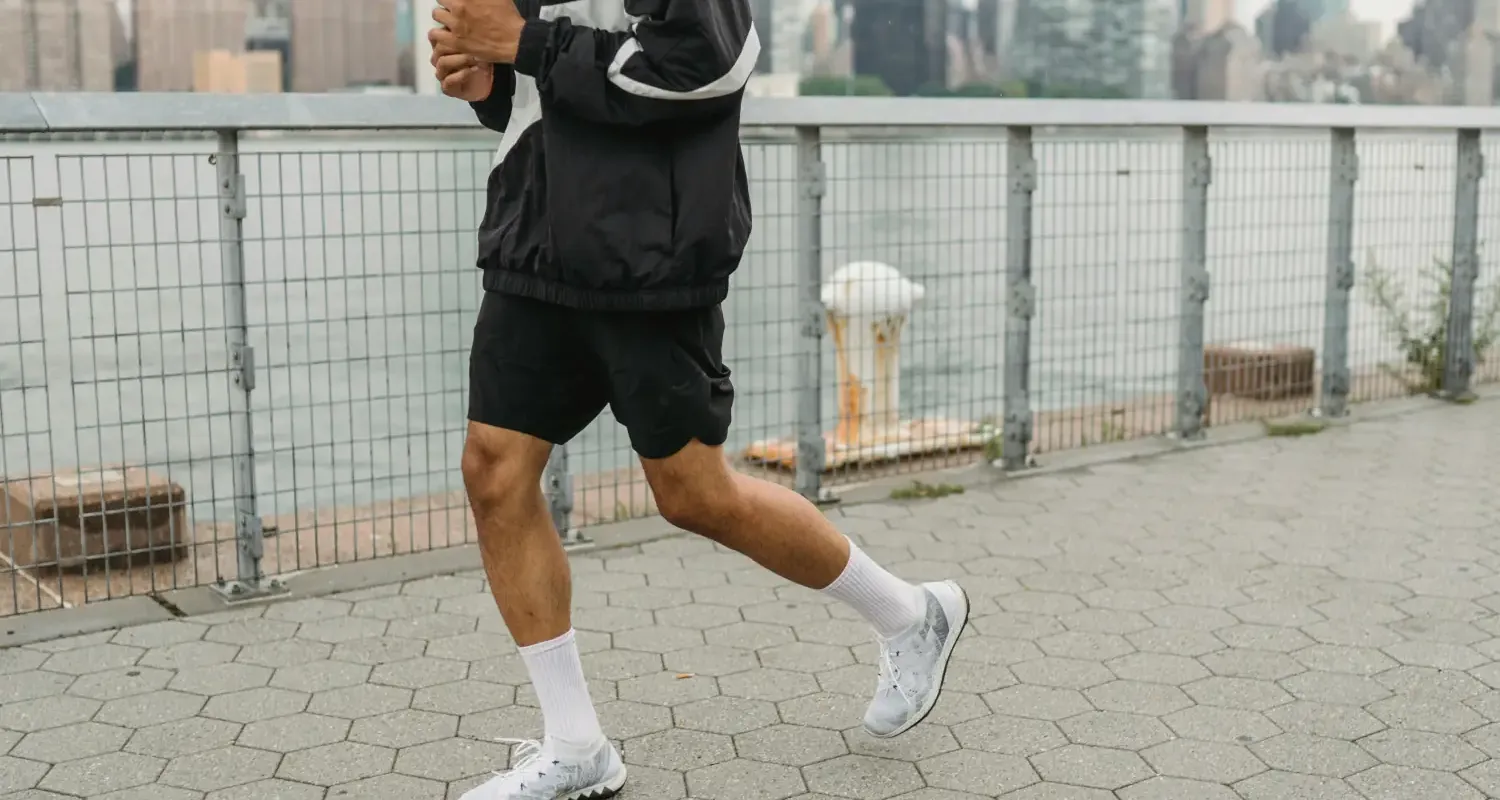
Good Running Form Isn't About Looking Perfect
Watch a marathon and you'll notice something interesting.
No two runners move exactly the same.
Some take longer strides.
Some run with a quicker cadence.
Some swing their arms differently.
That's because there isn't one "perfect" way to run.
The goal isn't to copy someone else's stride.
The goal is to run in a way that feels efficient, comfortable, and sustainable for your body.
Good running form isn't about looking like a professional athlete.
It's about helping you move with less wasted energy so you can enjoy running for years to come.
At Vibe, we believe better runners aren't born. They're built one step at a time.
Start by Standing Tall
Before you even take your first step, think about your posture.
Imagine a string gently pulling the top of your head toward the sky.
Keep your chest open, shoulders relaxed, and eyes looking ahead instead of down at your feet.
Running with good posture helps your body move more efficiently and allows your breathing to feel more natural.
You don't need to run stiff.
You simply want to avoid collapsing forward as fatigue sets in.
Relax Your Upper Body
Many new runners carry tension without realizing it.
They shrug their shoulders.
Clench their fists.
Tighten their jaw.
That tension wastes energy your body could use to keep moving.
Instead, think about relaxing.
Your shoulders should stay low.
Your hands can remain loose, almost as if you're gently holding a potato chip you don't want to crush.
The more relaxed your upper body is, the smoother your run often feels.
Your Arms Help Drive Your Run
Running isn't just about your legs.
Your arms help create rhythm and balance.
Instead of swinging across your body, allow your arms to move naturally forward and backward with your elbows bent around 90 degrees.
Think of your arms as helping set the pace for your legs.
When your arm swing becomes smooth and controlled, your stride often follows.
Don't Worry About Taking Bigger Steps
One of the most common mistakes beginner runners make is trying to cover as much ground as possible with every stride.
It feels faster.
It usually isn't.
Overstriding can place more stress on your body and make running feel less efficient.
Instead, aim for comfortable, natural steps.
As your fitness improves, your speed will come from better efficiency and strength, not from reaching farther with every stride.
Let Your Feet Land Naturally
There's a lot of debate online about whether you should land on your heel, midfoot, or forefoot.
For most recreational runners, the exact foot strike isn't nearly as important as running comfortably and avoiding excessive overstriding.
Focus on landing underneath your body instead of reaching your foot far out in front of you.
Your body will often find a natural rhythm that works well for you.
Breathe Naturally
Breathing is one of the first things new runners worry about.
The good news?
You don't need a complicated breathing pattern.
Try breathing in a steady rhythm that matches your effort.
During easier runs, you should still be able to carry on a conversation.
If speaking becomes nearly impossible, you may simply be running faster than your current fitness level supports.
Slowing down isn't failing.
It's smart training.
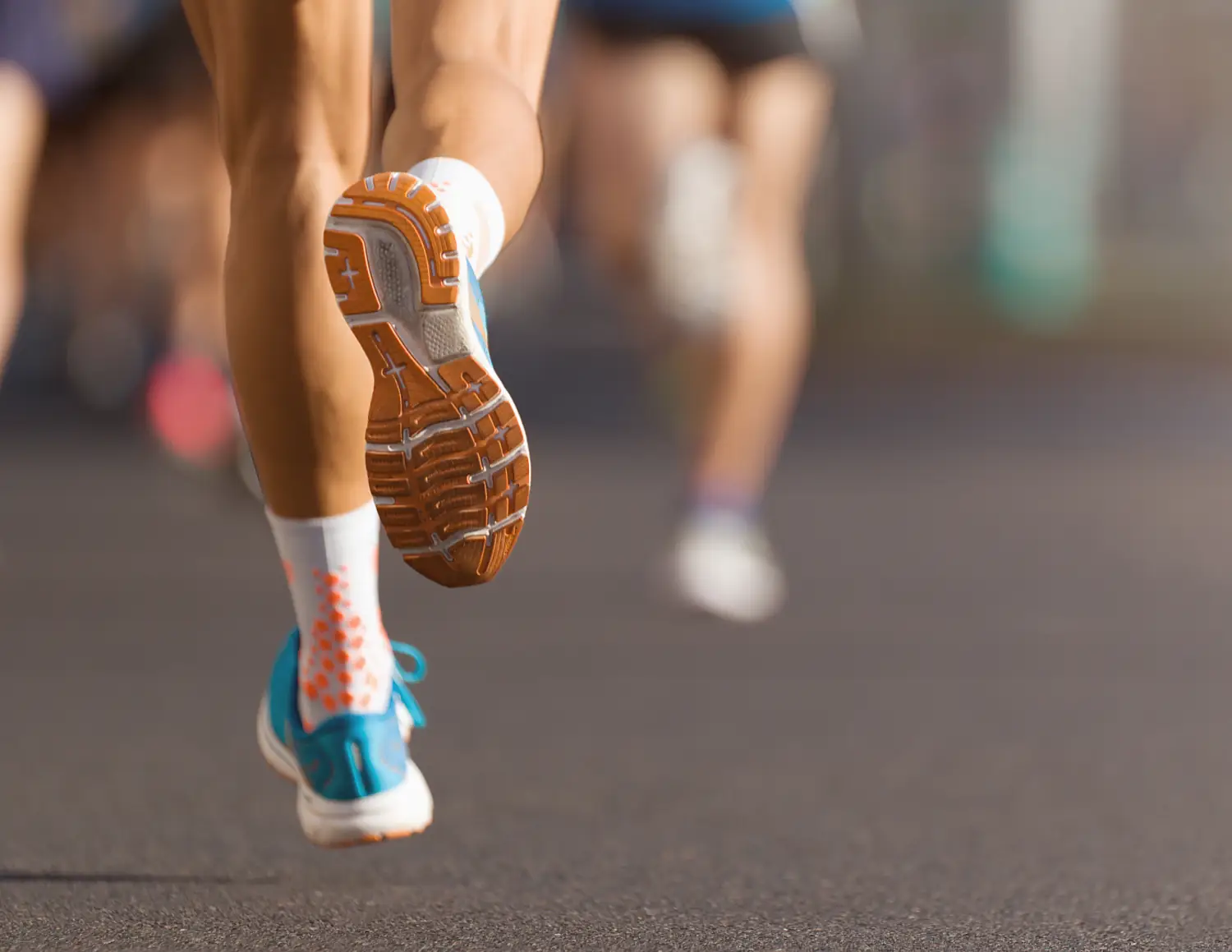
Slow Down to Speed Up
One of the biggest surprises for new runners is learning that not every run should be hard.
In fact, many successful runners spend most of their training at an easy pace.
Easy runs help build endurance while placing less stress on your body.
If you feel like you're constantly racing every workout, your body may never fully recover.
Progress comes from balancing challenge with recovery.
Strength Supports Better Running
Running doesn't only happen from the knees down.
Strong hips, glutes, core, and legs all contribute to better running mechanics.
Strength training can help support:
- Better posture while running
- Improved balance
- Running efficiency
- Confidence during longer runs
A stronger body often becomes a more resilient runner.
Practice, Don't Chase Perfection
The best runners aren't thinking about every movement while they run.
Their technique improves because they've practiced consistently.
Don't worry about fixing everything at once.
Choose one thing to focus on during each run.
Maybe today it's relaxing your shoulders.
Tomorrow it might be keeping your posture tall.
Small adjustments made consistently often lead to the biggest improvements.
Running Through The Vibe Method
Running well is about more than logging miles.
MOVE
Good running form helps you move more efficiently, conserve energy, and enjoy your runs with greater confidence.
FUEL
Balanced nutrition and proper hydration provide the energy your body needs to support endurance and recovery.
RECOVER
Quality sleep, mobility work, and recovery days allow your muscles and joints to adapt to training while helping reduce fatigue.
LEARN
Every run teaches you something. The more you understand about pacing, posture, breathing, and movement, the more confident you'll become.
CONNECT
Running becomes more enjoyable when it's shared. Whether you're joining a Community 2-Miler or training for your first race, Vibe Run offers encouragement, accountability, and a welcoming place for runners of every experience level.
Coach's Take
One of the biggest mistakes new runners make is believing they need to master perfect form before calling themselves a runner.
You don't.
The goal isn't perfection.
It's progress.
If you stay consistent, your body becomes stronger, your stride becomes smoother, and your confidence grows with every mile.
The best running form is the one that allows you to keep running comfortably tomorrow.
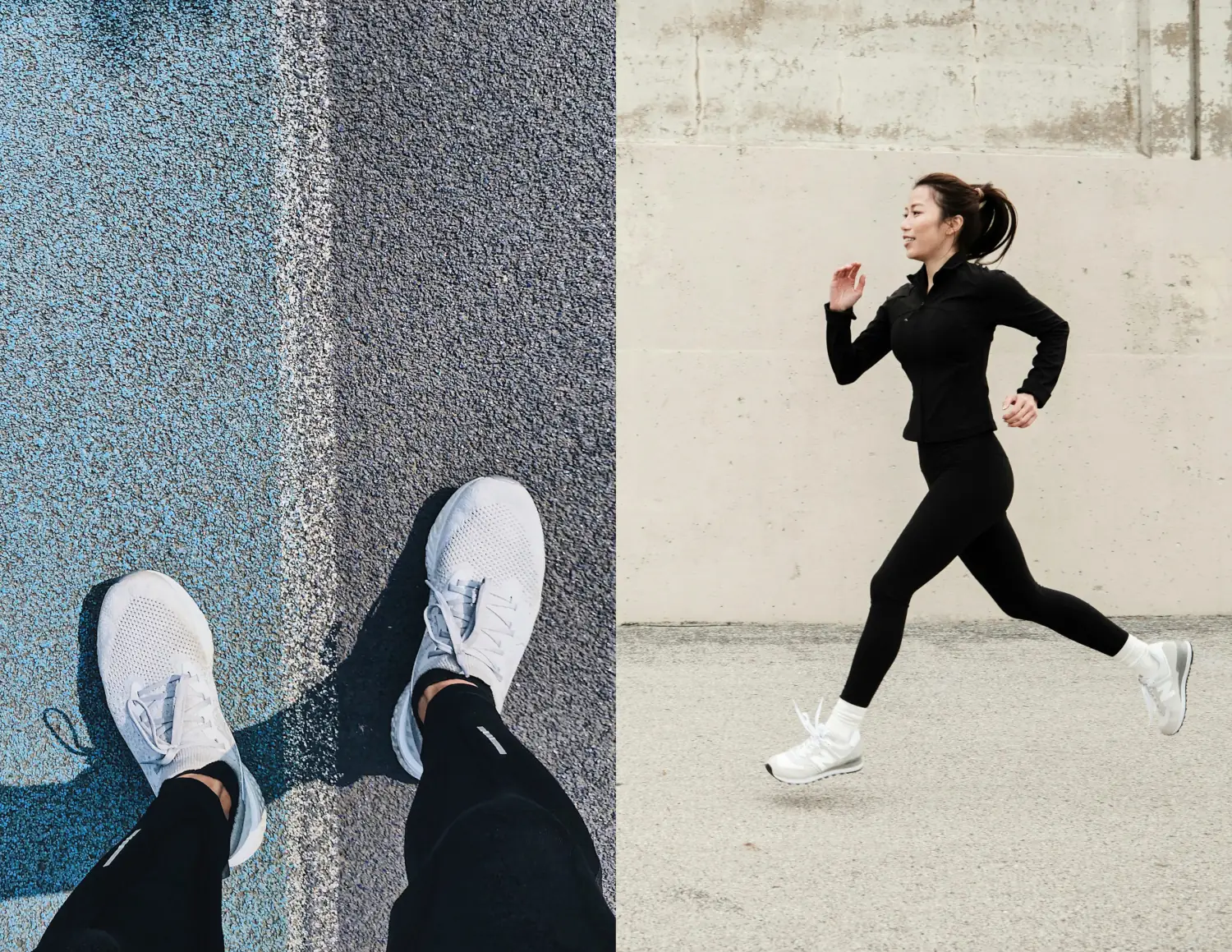
Questions We Hear Every Day
What is proper running form?
Good running form includes running with an upright posture, relaxed shoulders, a natural arm swing, comfortable stride length, and steady breathing. Rather than trying to copy someone else's technique, focus on running efficiently and comfortably for your body.
Should I land on my heel or my toes?
Most recreational runners don't need to focus on forcing a specific foot strike. Instead, think about landing comfortably beneath your body with a stride that feels natural and controlled.
How can I improve my running form?
Improving strength, practicing consistently, running at an appropriate pace, and making small adjustments over time can all help improve running mechanics.
Should I look down while I run?
Try keeping your gaze forward rather than directly at your feet. Looking ahead helps encourage good posture and allows you to anticipate your surroundings.
Why do my shoulders get tight when I run?
Many runners unknowingly carry tension in their upper body. Relaxing your shoulders, jaw, and hands can help reduce unnecessary fatigue and make running feel more comfortable.
Does strength training help runners?
Yes. Strength training supports the muscles that help stabilize your body while running and can improve posture, efficiency, and overall performance.
How do I know if I'm running too fast?
If you're unable to speak more than a few words during an easy run, you may be moving faster than your current aerobic pace. Slowing down allows you to build endurance more effectively.
Put It Into Practice
On your next run, don't try to change everything.
Pick one cue to focus on.
Relax your shoulders.
Stand tall.
Shorten your stride.
Breathe steadily.
Then let everything else happen naturally.
Small improvements repeated over time build stronger, more confident runners.
Better Running Starts With Better Habits
Running isn't about having perfect form.
It's about building movement patterns that help you feel stronger, more comfortable, and more confident every time you head out the door.
At Vibe, The Vibe Method brings together movement, nutrition, recovery, education, and community to help you become not just a better runner, but a healthier one.
Because the best stride isn't the fastest one. It's the one that keeps you moving forward.