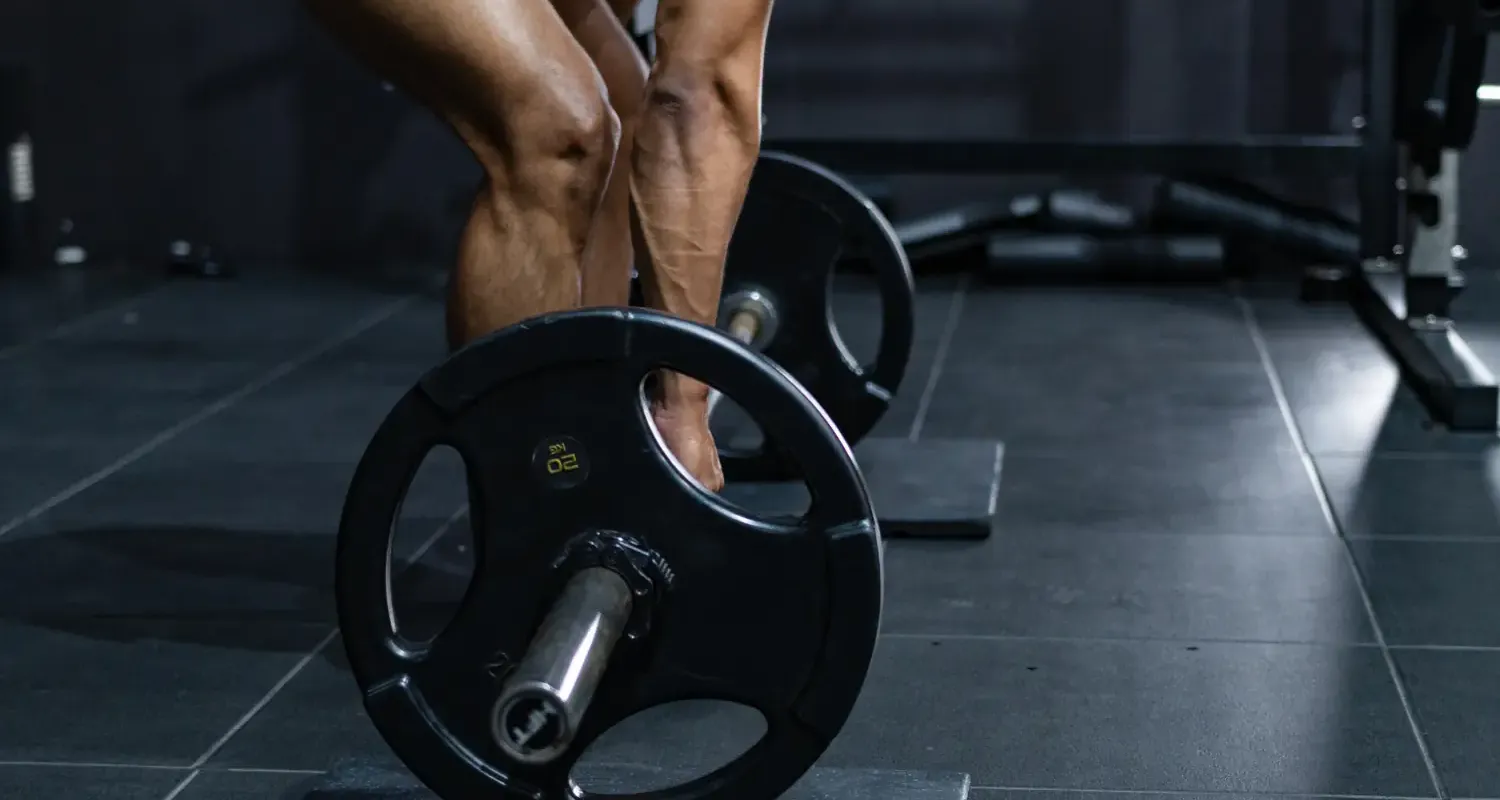
Strength Isn't Just About the Weight You Lift
When people hear "strength training," they often picture bodybuilders lifting heavy barbells or athletes preparing for competition.
In reality, strength training is for everyone.
Whether your goal is to lose weight, build muscle, improve your posture, increase energy, reduce your risk of injury, support healthy aging, or simply make everyday life feel easier, strength training can help.
At Vibe, we believe strength isn't about looking a certain way.
It's about building a body that supports the life you want to live.
What Is Strength Training?
Strength training is any form of exercise that challenges your muscles to work against resistance.
That resistance may come from:
- Free weights
- Weight machines
- Resistance bands
- Kettlebells
- Medicine balls
- Your own body weight
As your muscles adapt to that challenge over time, they become stronger.
Strength training is one of the most researched forms of exercise and has been shown to support overall health throughout every stage of life.
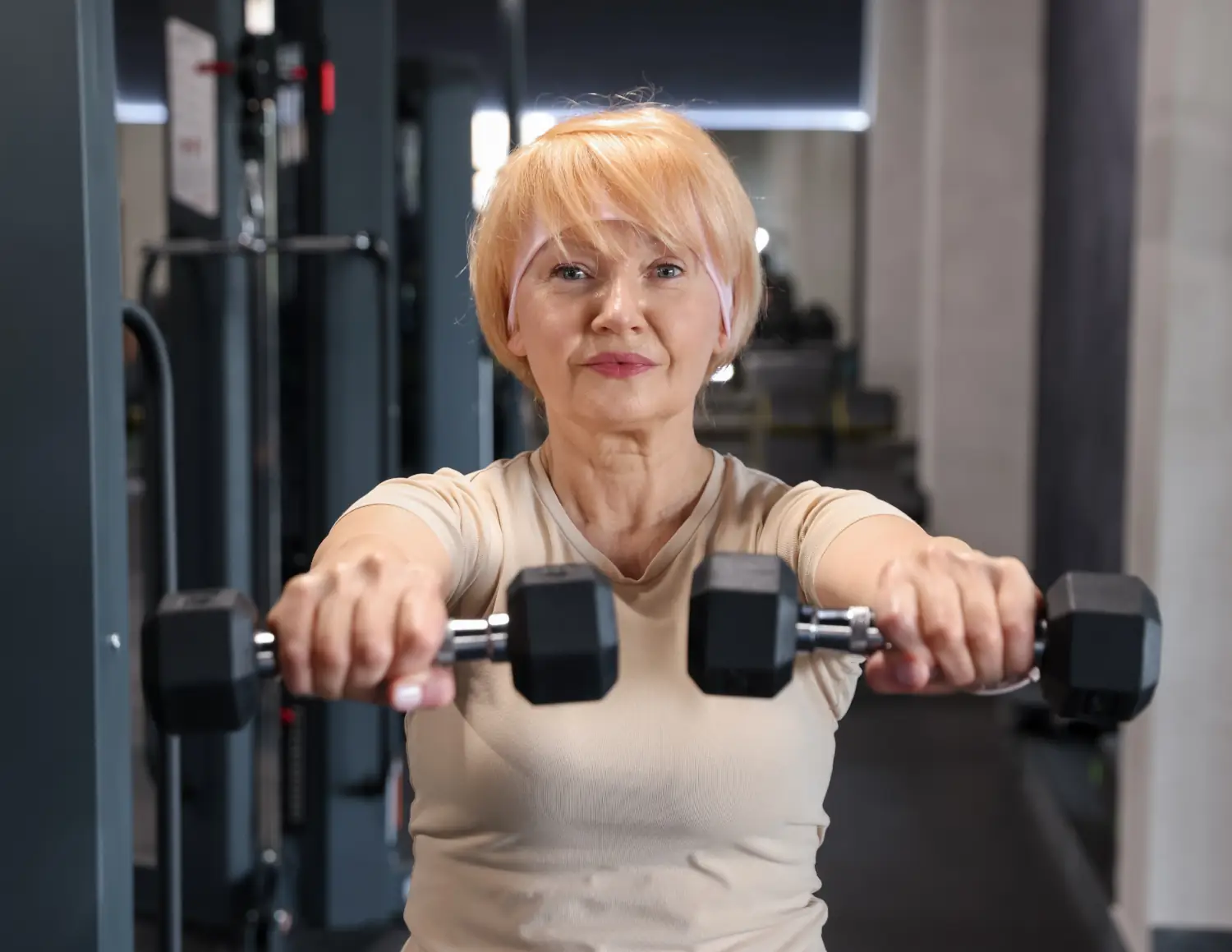
Why Strength Training Matters
Strength training does much more than build muscle.
It may help support:
- Muscle strength
- Bone health
- Joint stability
- Balance and coordination
- Metabolic health
- Healthy aging
- Functional movement
- Exercise performance
- Confidence in daily activities
Many of the movements you perform every day, like carrying groceries, climbing stairs, lifting luggage, or getting up from the floor, become easier when you build strength.
Strength Training Supports Healthy Aging
One of the most important reasons to strength train has nothing to do with appearance.
As we age, we naturally lose muscle mass and strength.
Without regular resistance training, those changes can make everyday tasks more difficult over time.
Strength training helps support:
- Independence
- Mobility
- Balance
- Bone density
- Fall prevention
- Long-term quality of life
Building strength today is an investment in your future.
Strength Training Doesn't Mean Lifting Heavy
One of the biggest misconceptions about strength training is that you have to lift extremely heavy weights.
The truth is, your body simply needs an appropriate challenge based on your current fitness level.
For beginners, bodyweight exercises or light dumbbells may be enough.
As your body adapts, gradually increasing resistance helps continue building strength.
Progress looks different for everyone.
Strength Training and Weight Loss
Many people associate exercise for weight loss with cardio.
While cardiovascular exercise offers many health benefits, strength training also plays an important role in a balanced fitness routine.
Building muscle helps support your metabolism, improves body composition, and helps preserve lean muscle during weight loss.
The goal isn't simply losing weight.
It's maintaining a strong, healthy body.
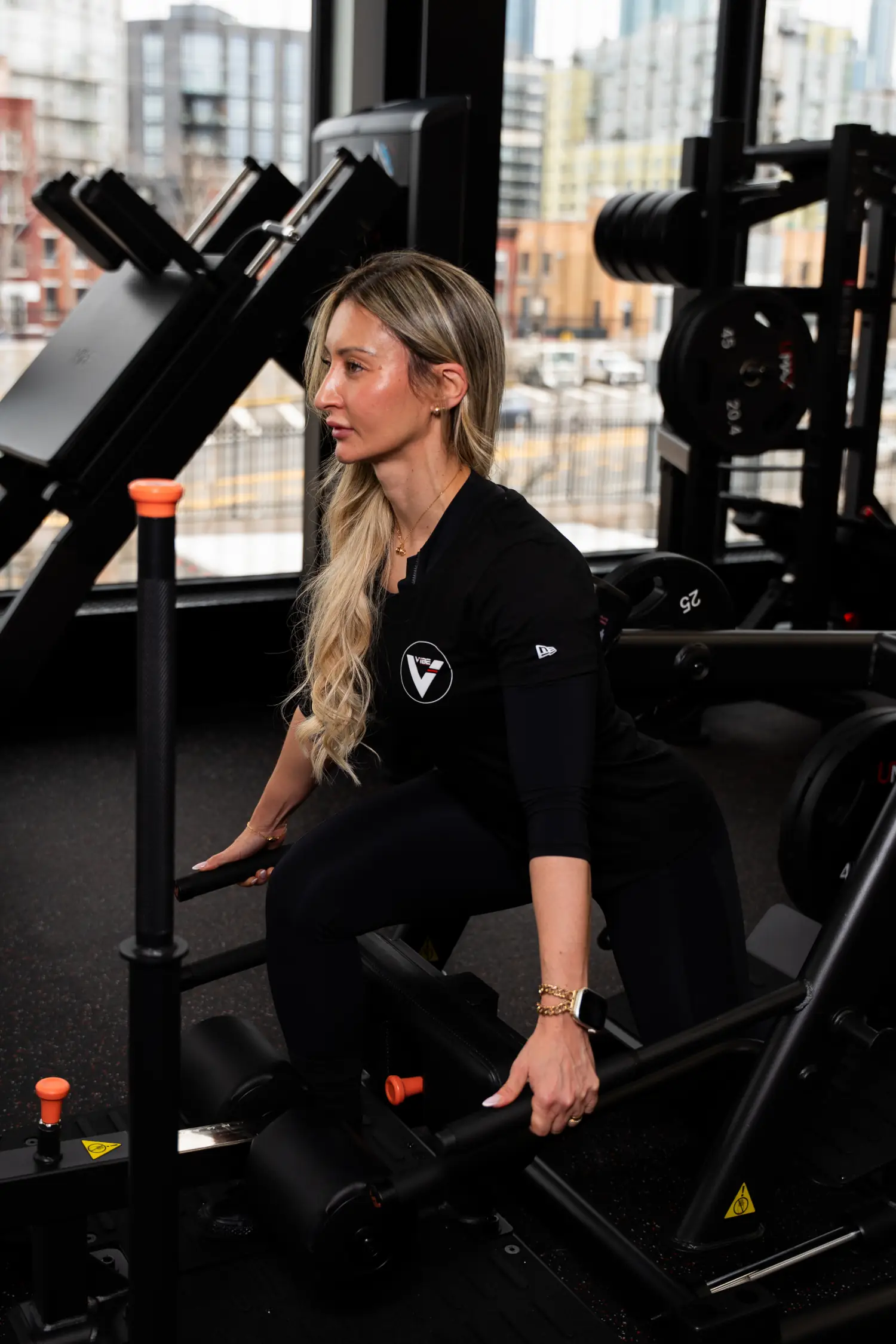
How Often Should You Strength Train?
The amount of strength training that's right for you depends on your experience, goals, schedule, and overall health.
Many adults benefit from incorporating resistance training at least two times per week, working all major muscle groups over the course of the week.
Beginners may start with shorter sessions and gradually increase as they become more comfortable.
Consistency is more important than perfection.
Progressive Overload: The Secret to Getting Stronger
Your body adapts to challenges over time.
If you always perform the exact same workout with the same weight, your progress may eventually slow.
Progressive overload simply means gradually increasing the challenge placed on your muscles.
That doesn't always mean lifting heavier weights.
You can also:
- Perform more repetitions
- Add another set
- Improve your technique
- Slow your tempo
- Increase training consistency
Small improvements add up over time.
Recovery Is Part of Strength Training
Muscles don't become stronger while you're lifting.
They become stronger while they recover.
Quality sleep, balanced nutrition, hydration, and rest days all help your body adapt to training.
Recovery isn't taking time away from your goals.
It's part of reaching them.
Where to Start
Starting strength training doesn't have to feel intimidating.
Focus on learning proper movement patterns before worrying about heavier weights.
Begin with simple exercises such as:
- Squats
- Rows
- Chest presses
- Deadlifts
- Lunges
- Shoulder presses
- Core exercises
Learning proper technique first helps build confidence and reduces the risk of injury.
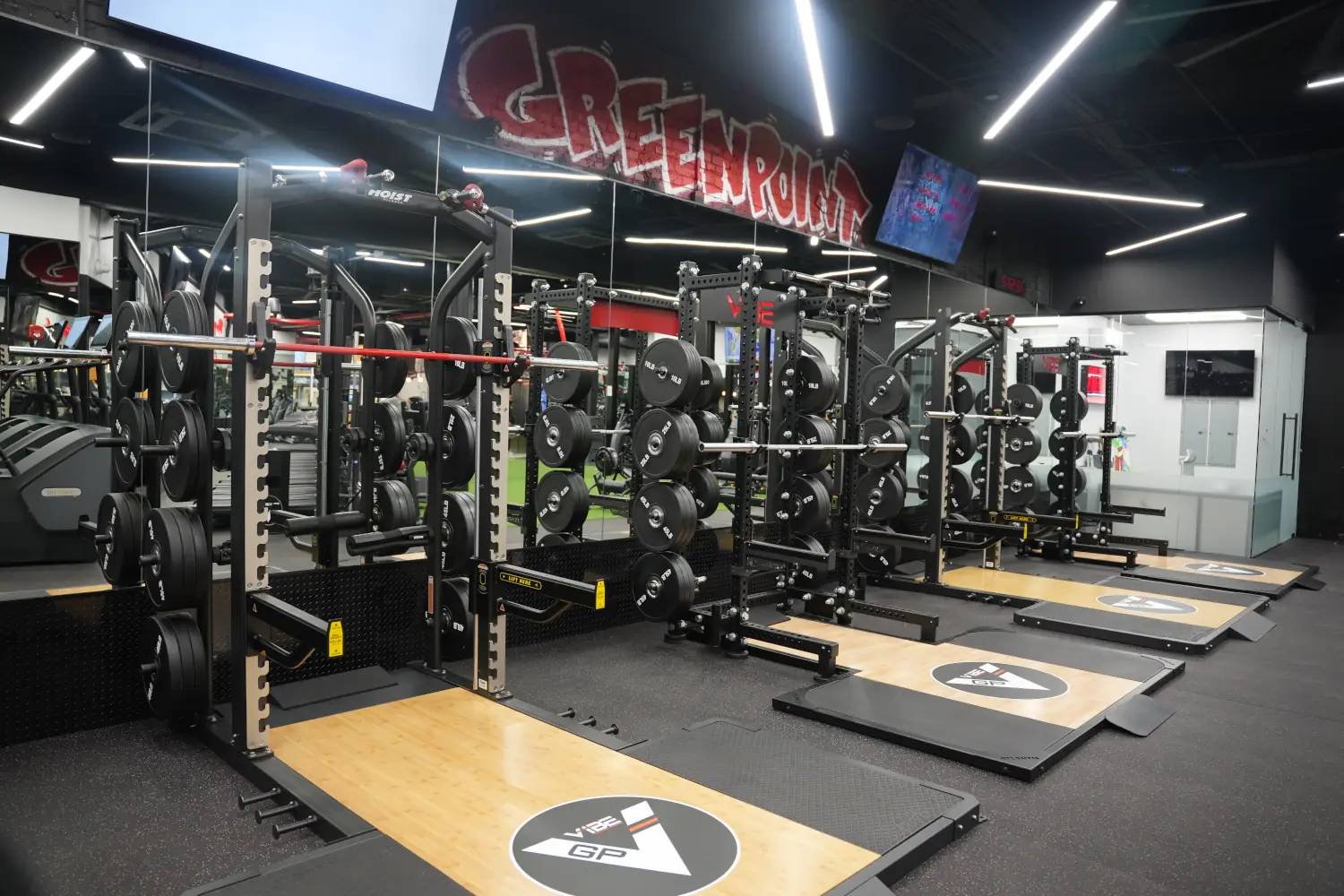
Strength Training and The Vibe Method
Strength is built through more than exercise alone.
MOVE
Strength training helps build muscle, improve mobility, increase confidence, and support lifelong health.
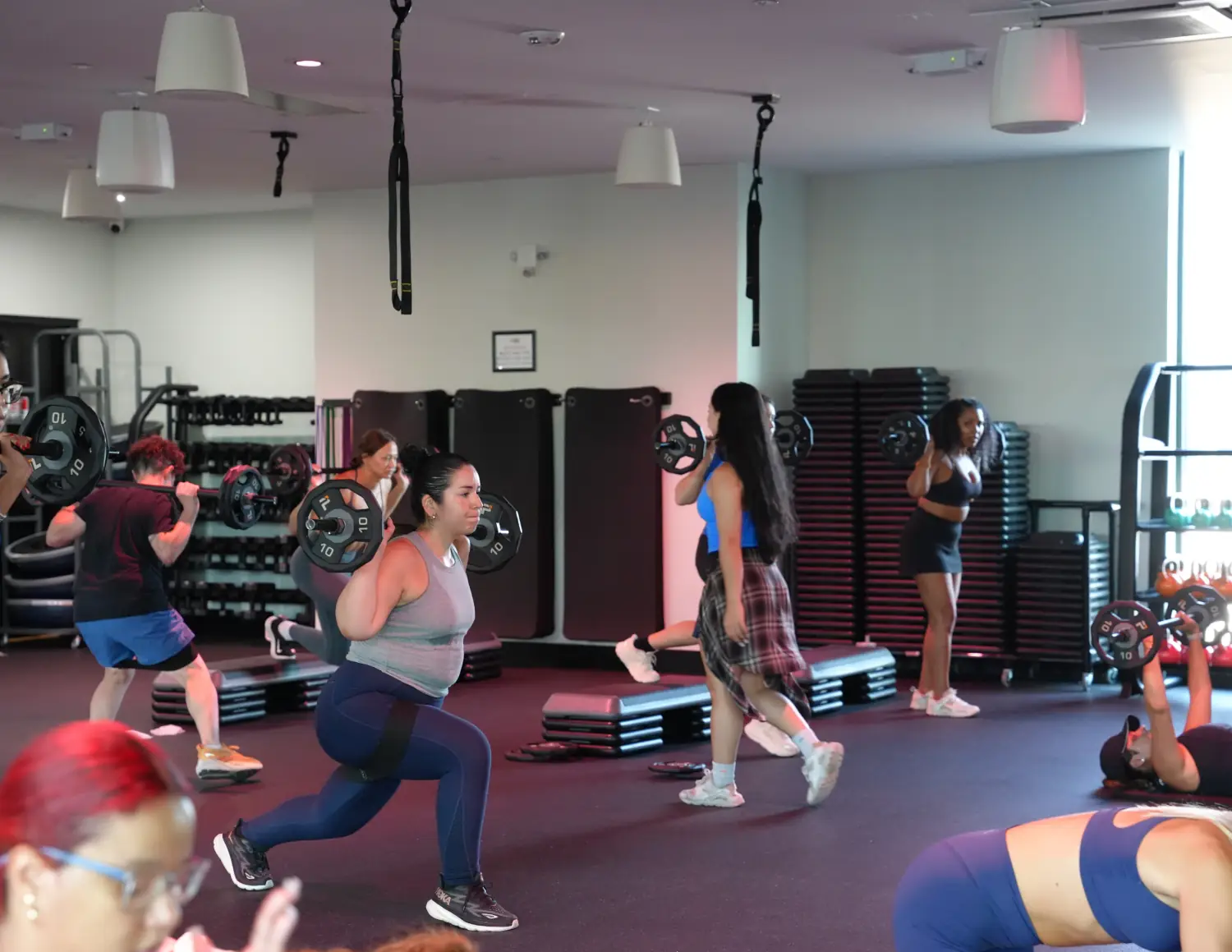
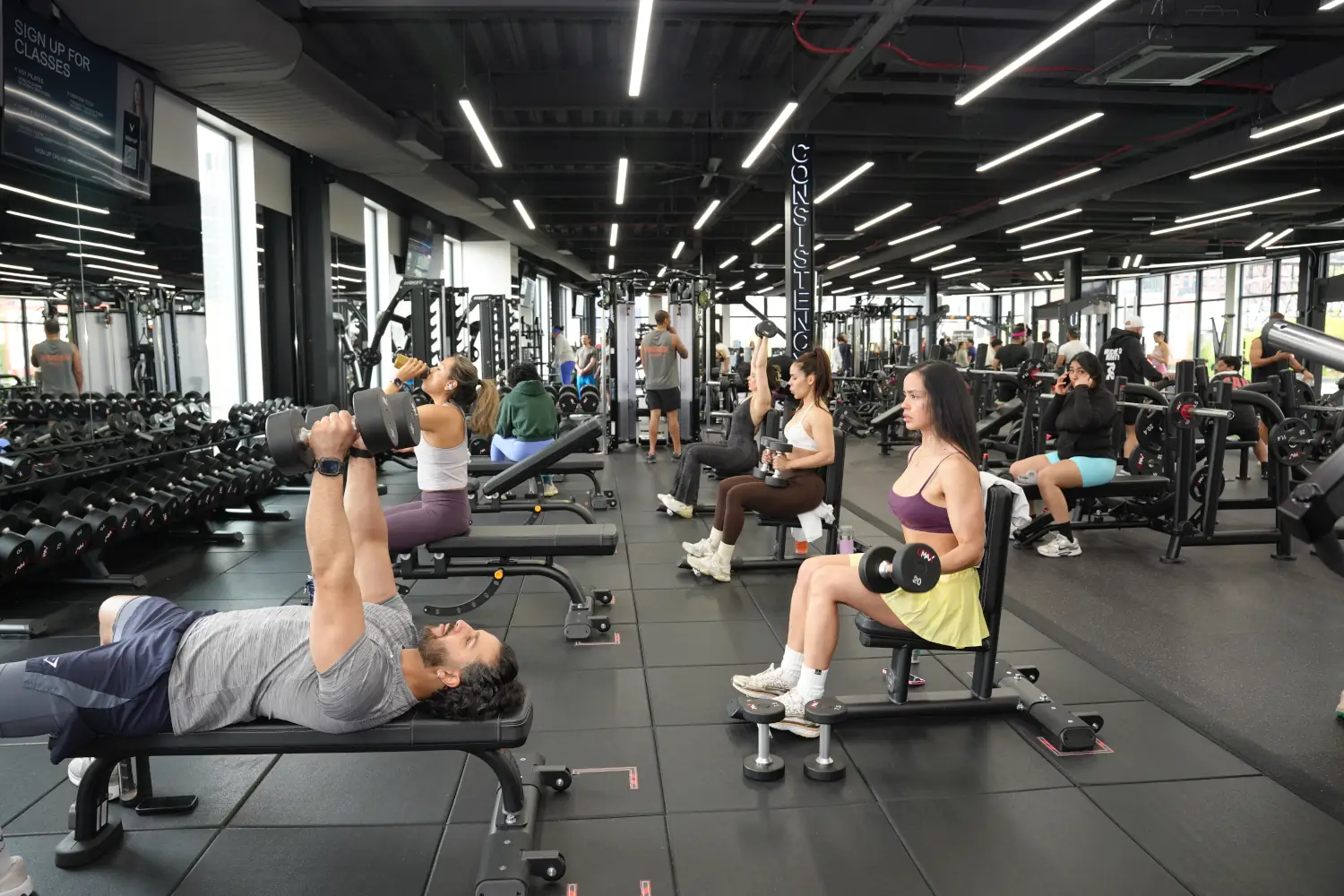
Whether you're using the strength floor, joining a Group Fitness class, or training with Vibe FIT, every workout helps build a stronger foundation.
FUEL
Your muscles rely on balanced nutrition, including adequate protein, carbohydrates, and healthy fats, to support training and recovery.
RECOVER
Sleep, hydration, mobility, and recovery days allow your body to adapt and become stronger over time.
LEARN
Understanding proper technique, exercise selection, and progressive overload helps you train safely and confidently.
CONNECT
Training alongside coaches and fellow members provides accountability, encouragement, and a supportive community that helps you stay consistent.
Build Strength with Vibe
No matter where you're starting, Vibe offers multiple ways to build strength:
Vibe FIT
Receive personalized coaching, structured programming, and accountability through our Small Group Training program.
Personal Training
Work one-on-one with a certified trainer to develop a customized plan based on your goals, experience, and movement patterns.
Group Fitness
Build strength in a motivating group environment through instructor-led classes designed for a variety of fitness levels.
Every path leads toward the same goal: building lifelong strength through consistency.
Questions We Hear Every Day
Is strength training only for people who want to build muscle?
No.
Strength training supports overall health, mobility, balance, bone health, posture, and everyday movement. It's beneficial for adults of all ages and fitness levels.
Will lifting weights make women bulky?
No.
Building significant muscle size requires years of dedicated training, nutrition, and genetics. For most women, strength training supports lean muscle, improved body composition, and increased strength without creating a bulky appearance.
How often should beginners strength train?
Many beginners benefit from two to three full-body strength training sessions each week, allowing time for recovery between workouts.
What's better: free weights or machines?
Both can be effective.
Weight machines often provide additional stability and may be helpful for beginners learning movement patterns.
Free weights require greater coordination and engage stabilizing muscles.
Many well-rounded programs include both.
Should I do cardio or strength training first?
It depends on your goals.
If building strength is your primary focus, many people perform strength training before cardio.
If improving cardiovascular endurance is your priority, you may choose to perform cardio first.
Both forms of exercise contribute to overall health.
How long does it take to see results?
Everyone progresses differently.
Many people notice improvements in strength, confidence, and energy within several weeks of consistent training, while visible physical changes often take longer.
Consistency is more important than speed.
Am I too old to start strength training?
It's never too late to become stronger.
Research consistently shows that strength training can benefit adults of all ages when performed safely and appropriately.
If you're new to exercise or have existing health concerns, speak with your healthcare provider before beginning a new program.
Apply The Vibe Method
MOVE
Complete two strength-training workouts this week or try a strength-focused Group Fitness class.
FUEL
Support your workouts with balanced meals that include lean protein, quality carbohydrates, and healthy fats.
RECOVER
Prioritize sleep, hydration, and recovery between strength sessions to help your body adapt and grow stronger.
LEARN
Continue reading Protein 101 or Recovery 101 to learn how nutrition and recovery support strength training.
CONNECT
Meet with a Vibe FIT coach, work with a Personal Trainer, or invite a friend to train with you. Building strength is easier when you're supported by a knowledgeable team and a strong community.
Strength Is for Life
Strength training isn't about lifting the heaviest weight in the room.
It's about building a body that's capable of supporting the life you want to live.
At Vibe, The Vibe Method brings together movement, nutrition, recovery, education, and community to help you build strength that extends beyond the gym.
Because true strength isn't measured by the weight on the bar.
It's measured by what your body allows you to do every day.