Every Runner Starts with One Step
If you've ever thought, "I'm not a runner," you're not alone.
Many people believe running is only for athletes, marathoners, or people who have been doing it for years.
The truth is, every experienced runner once started exactly where you are.
Running isn't about speed.
It isn't about distance.
It isn't about comparing yourself to anyone else.
It's about challenging yourself, building endurance, improving your health, and discovering what your body is capable of.
At Vibe, we believe becoming a runner begins with one decision:
Simply showing up.
Why Running Is Good for You
Running offers more than cardiovascular exercise.
It can support:
- Heart health
- Lung capacity
- Endurance
- Bone health
- Mental well-being
- Stress management
- Energy levels
- Confidence
- Healthy aging
- Running also teaches something that's difficult to measure:
- Resilience.
- Every run reminds you that progress comes from consistency, not perfection.
You Don't Have to Run Fast
One of the biggest misconceptions about running is that faster always means better.
It doesn't.
Your pace is simply the speed that feels appropriate for your current fitness level.
Some days you'll run.
Some days you'll jog.
Some days you'll alternate between walking and running.
Every one of those is still running.
Progress isn't measured by comparing yourself to someone else.
It's measured by continuing to show up.
How to Start Running
The best running plan is one you'll actually follow.
If you're new to running, keep it simple.
Start Slowly
Rather than trying to run continuously, alternate between walking and jogging.
For example:
- Walk for 2 minutes
- Jog for 1 minute
- Repeat for 20 to 30 minutes.
As your endurance improves, gradually increase your running time while reducing your walking intervals.
Focus on Time, Not Distance
Instead of worrying about how many miles you cover, aim to spend a consistent amount of time moving.
A 20-minute run today builds the foundation for a longer run tomorrow.
Listen to Your Body
Some discomfort is normal when starting something new.
Sharp pain is not.
Take rest days when needed and allow your body time to recover between runs.
What Should Beginners Wear?
You don't need expensive gear to become a runner.
Start with:
- Comfortable running shoes that fit well
- Moisture-wicking clothing
- Comfortable socks
- Weather-appropriate layers
- A water bottle if running longer or in warm conditions
The most important piece of equipment is a properly fitted pair of running shoes.
Fueling Your Run
Your nutrition doesn't need to be complicated.
For shorter runs, many people simply need to stay hydrated and eat balanced meals throughout the day.
For longer runs or higher-intensity training, your body benefits from:
- Quality carbohydrates for energy
- Protein to support recovery
- Hydration before, during, and after exercise
- Electrolytes during longer or hotter runs when appropriate
- The goal isn't perfection.
- It's consistency.

Recovery Makes You a Better Runner
Running places stress on your muscles, joints, and cardiovascular system.
Recovery helps your body adapt.
Support your recovery by prioritizing:
- Sleep
- Hydration
- Balanced nutrition
- Stretching or mobility
- Rest days
- Strength training
Recovery isn't taking time away from running.
It's what helps you continue running.
Strength Training Makes Better Runners
Many runners focus only on running.
The strongest running programs also include strength training.
Building strength helps support:
- Running efficiency
- Joint stability
- Balance
- Injury prevention
- Power
- Overall performance
Strength and running work together.
Neither replaces the other.
Why Running Is Better Together
One of the biggest reasons people stop running isn't because they're physically unable.
It's because they lose motivation.
Running alongside others provides encouragement, accountability, and community.
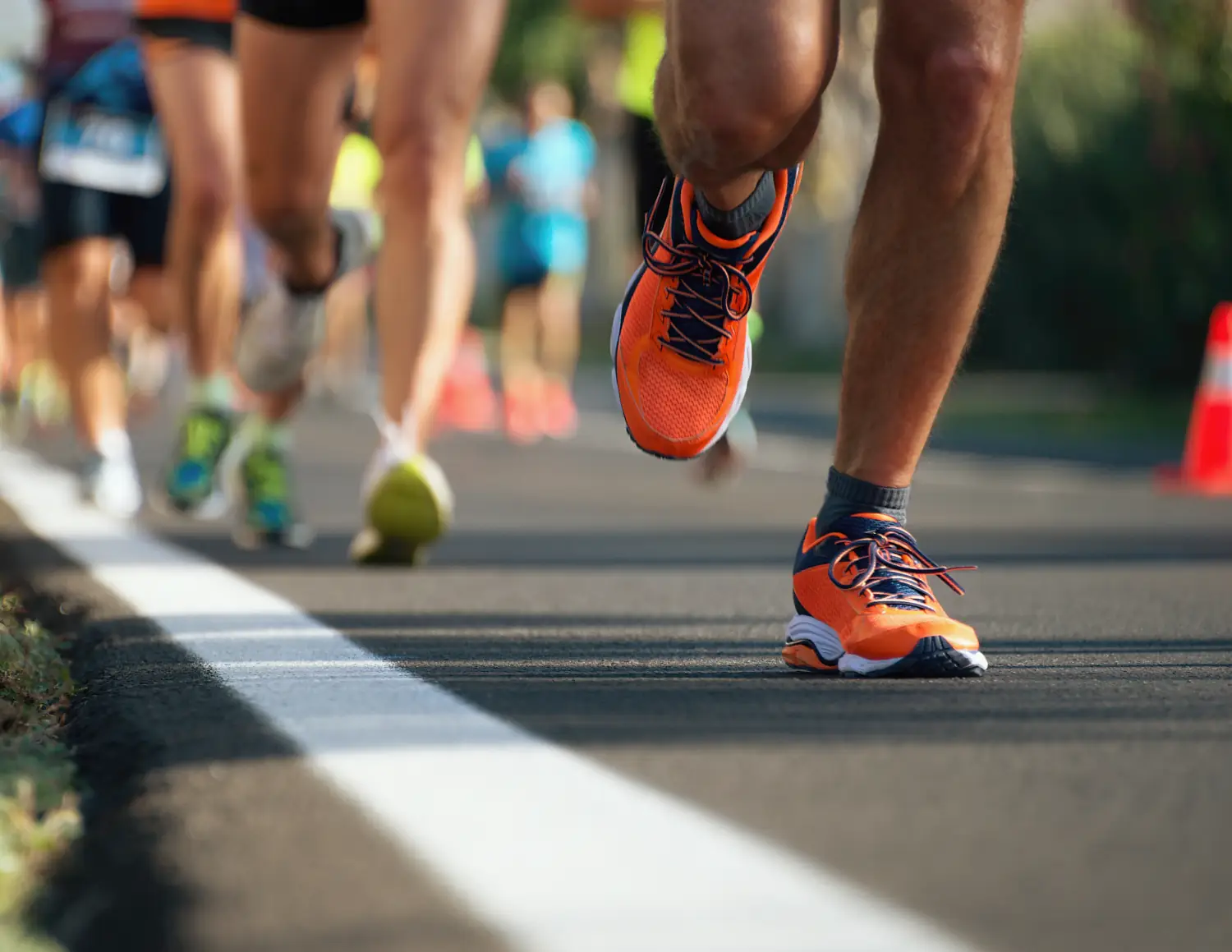
Whether you're training for your first Community 2-Miler or preparing for a 5K, having people around you makes the journey more enjoyable.
You don't have to become a runner alone.
Find Your Community with Vibe Run
Running is one of the easiest ways to connect with others while improving your health.
Vibe Run welcomes members of all experience levels, from first-time runners to experienced athletes.
Whether you're joining a Community 2-Miler, participating in one of our signature 5K events, or simply looking for people who enjoy moving together, Vibe Run is designed to make running approachable, social, and fun.
Every run is led by experienced Run Captains who help create a supportive environment where every pace is welcome.
Our goal isn't to create the fastest runners.
It's to build a healthier community, one mile at a time.
Running and The Vibe Method
Running is more than cardio.
It's one part of a balanced wellness lifestyle.
MOVE
Running builds endurance, strengthens your cardiovascular system, and supports lifelong health.
Whether you're training outdoors or preparing for your next Vibe Run, every mile contributes to your overall wellness.
FUEL
Balanced meals, hydration, and adequate carbohydrates help support your energy before a run and your recovery afterward.
RECOVER
Sleep, mobility, strength training, and rest days help your body adapt and reduce your risk of overuse injuries.
LEARN
Understanding pacing, proper training progression, and recovery helps you run with confidence and enjoy the process.
CONNECT
Running becomes more enjoyable when shared with others.
Vibe Run creates opportunities to build friendships, stay accountable, and celebrate milestones together.
Questions We Hear Every Day
Do I have to be in shape before I start running?
No.
Running itself helps improve your cardiovascular fitness over time.
Many runners begin by alternating walking and jogging before gradually increasing their endurance.
Is walking part of running?
Absolutely.
Walk-run intervals are one of the most effective ways for beginners to safely build endurance while reducing the risk of injury.
Walking isn't a sign of failure.
It's part of the training process.
How often should beginners run?
Many beginners start with two to three runs per week, allowing recovery days between sessions.
As your fitness improves, your training plan may gradually increase based on your goals.
Is running bad for your knees?
For most healthy individuals, recreational running does not appear to increase the risk of developing knee osteoarthritis. In fact, regular physical activity supports joint health. If you have existing joint pain or a medical condition, speak with your healthcare provider before starting a running program.
How fast should I run?
Your pace should allow you to complete your workout while maintaining good form.
For many easy runs, you should still be able to carry on a conversation.
Speed naturally improves with consistent training.
Should I eat before I run?
It depends on the length and intensity of your run.
Many shorter runs can be completed after a balanced meal eaten earlier in the day.
Longer or more intense runs may benefit from a light carbohydrate-rich snack beforehand.
Experiment to find what feels best for your body.
How long does it take to become a runner?
You're a runner the moment you begin running.
Fitness improves over time, but your identity isn't earned through speed, distance, or race medals.
Showing up consistently is what makes someone a runner.
Apply The Vibe Method
MOVE
Complete one walk, jog, or run this week, no matter your pace or distance.
FUEL
Support your runs with balanced meals, hydration, and recovery-focused nutrition.
RECOVER
Prioritize sleep, mobility, and at least one recovery day between harder running sessions.
LEARN
Continue reading Cardio 101, Hydration 101, or Recovery 101 to better understand how your body adapts to endurance training.
CONNECT
Join an upcoming Vibe Run Community 2-Miler or one of our signature running events. Whether it's your first run or your fiftieth, you'll find encouragement, accountability, and a community that's excited to see you succeed.
Every Runner Has a First Run
There isn't a perfect pace.
There isn't a perfect distance.
There isn't a perfect time to begin.
There is only the next step.
At Vibe, The Vibe Method reminds us that lasting wellness is built through movement, nutrition, recovery, education, and community. Running brings all five together, helping you build endurance, confidence, resilience, and meaningful connections along the way.
Because becoming a runner isn't about being the fastest.
It's about having the courage to start, the consistency to continue, and the community to keep you moving forward.