Mobility Helps You Move Through Life
When people think about improving their fitness, they often focus on getting stronger, running farther, or losing weight.
One thing that's often overlooked is how well your body moves.
Can you comfortably squat down to tie your shoes?
Reach overhead without discomfort?
Rotate your torso while driving?
Get up from the floor with ease?
These everyday movements rely on mobility.
At Vibe, we believe wellness isn't just about moving more.
It's about moving well for life.
What Is Mobility?
Mobility is your ability to move a joint through its full, controlled range of motion.
Unlike flexibility, which focuses on how far a muscle can stretch, mobility combines flexibility with strength, stability, coordination, and control.
In other words:
Flexibility is having the range of motion.
Mobility is being able to use it.
That's why mobility plays such an important role in both everyday movement and athletic performance.
Mobility vs. Flexibility
These terms are often used interchangeably, but they aren't the same.
Flexibility
Refers to how much a muscle or group of muscles can lengthen.
For example:
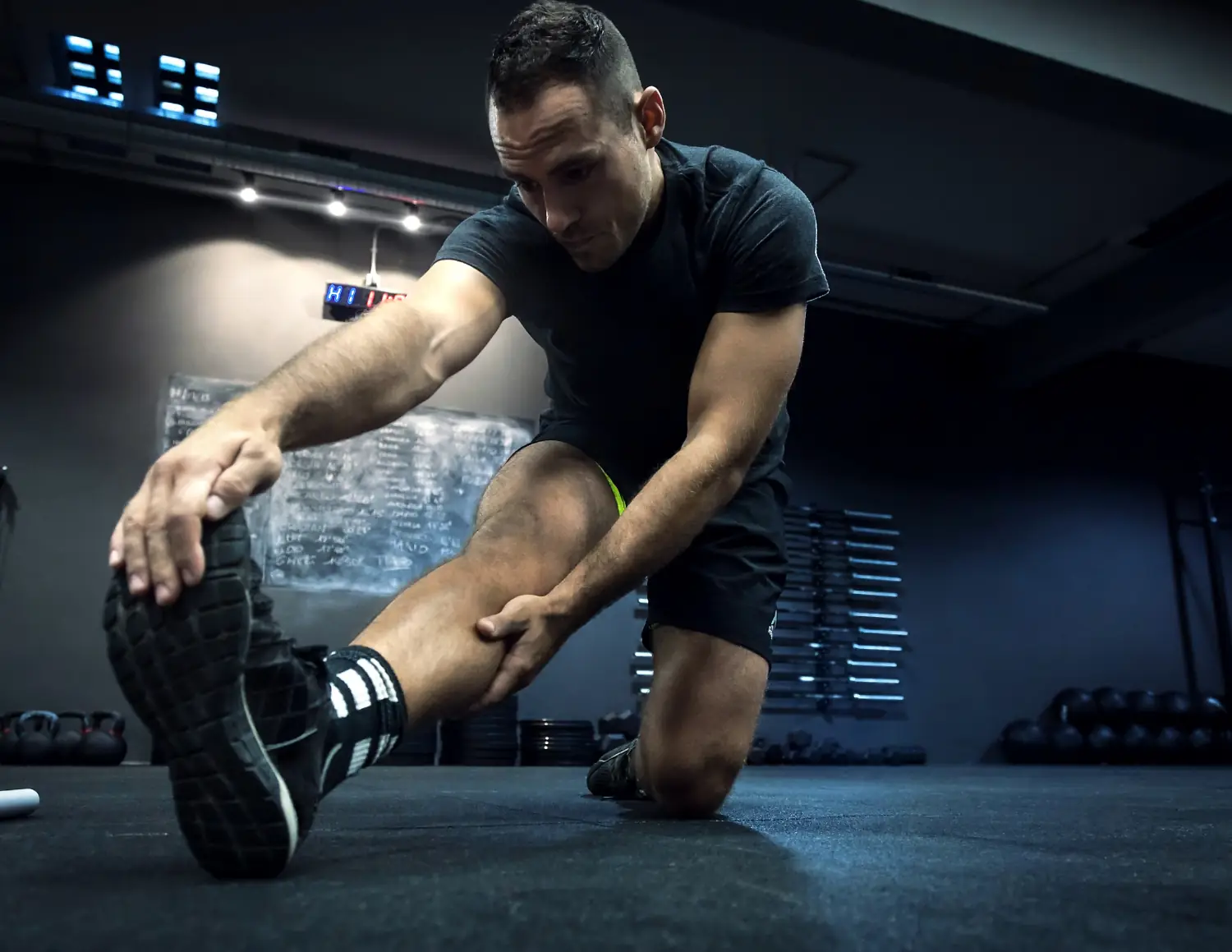
Touching your toes demonstrates hamstring flexibility.
Mobility
Refers to your ability to actively control movement through a joint's available range of motion.
For example:
Performing a deep squat with good control requires ankle, hip, knee, and core mobility.
You need both flexibility and strength to move well.
Why Mobility Matters
Good mobility helps your body move more efficiently during exercise and everyday activities.
Improving mobility may help support:
- Better posture
- Improved movement quality
- Exercise technique
- Joint health
- Balance and coordination
- Independence as you age
- Overall comfort during daily activities
Mobility also makes many exercises feel better and allows you to move with greater confidence.
Common Areas That Need Mobility
Many people spend hours sitting each day.
Over time, certain areas of the body may become less mobile.
Some of the most common areas include:
Ankles
Important for walking, running, squatting, and climbing stairs.
Hips
Support walking, lifting, bending, and many lower-body exercises.
Thoracic Spine
The middle portion of your back contributes to posture and rotational movement.
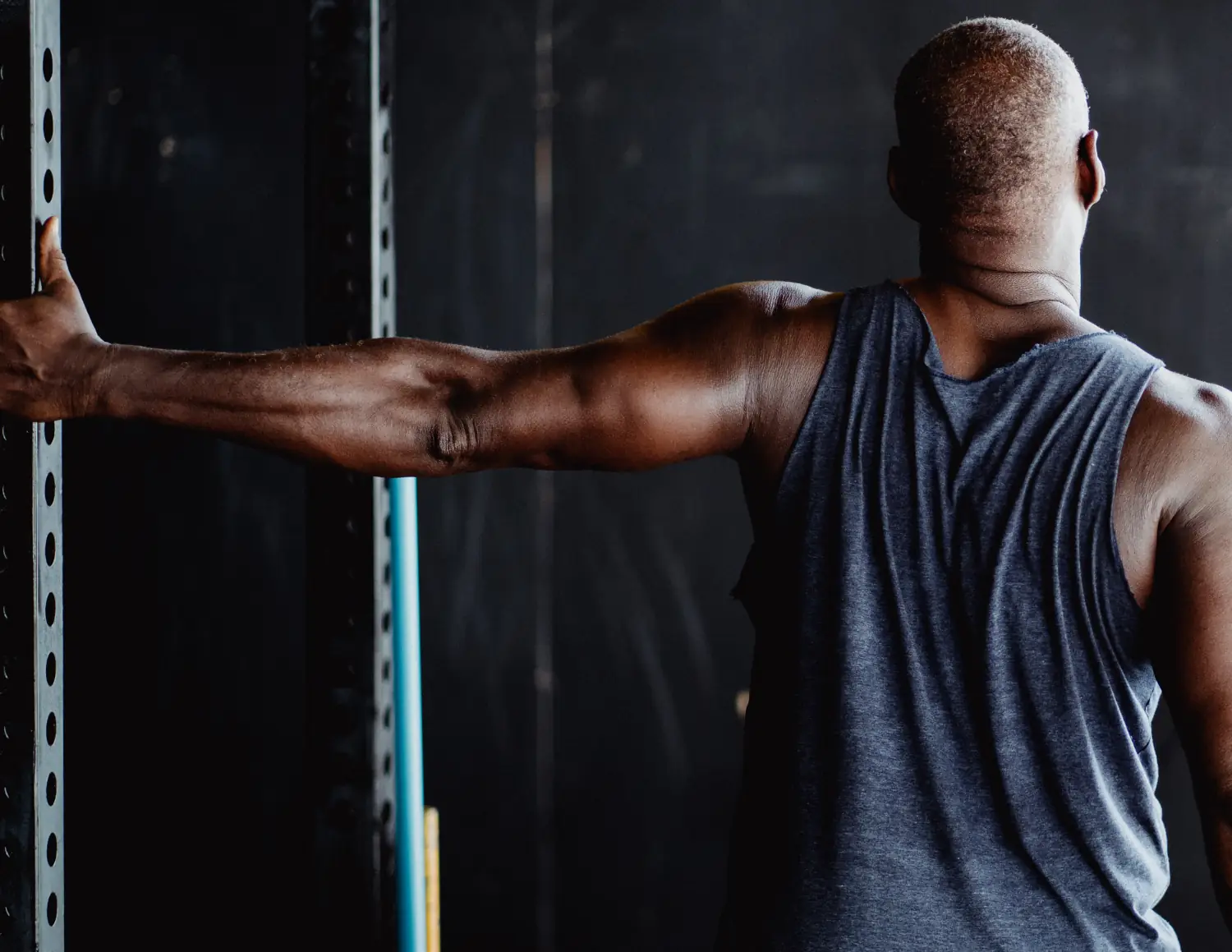
Shoulders
Healthy shoulder mobility supports reaching, lifting, pressing, and many everyday activities.
Improving mobility in these areas can help you move more comfortably during both exercise and daily life.
Who Should Work on Mobility?
Everyone.
Mobility isn't only for athletes.
It benefits:
- Beginners
- Strength athletes
- Runners
- Office workers
- Older adults
- Weekend warriors
- Anyone who wants to move comfortably throughout life
No matter your fitness level, maintaining mobility supports long-term movement and overall quality of life.
Simple Ways to Improve Mobility
Mobility doesn't require an hour-long routine.
Small amounts performed consistently often make the biggest difference.
Try incorporating:
- Dynamic warm-ups before workouts
- Controlled mobility exercises
- Yoga
- Walking
- Strength training through a comfortable range of motion
- Stretching after exercise
- Breaking up long periods of sitting
Consistency matters more than duration.
Mobility Supports Performance
Moving well often helps you train well.
Good mobility allows you to:
- Squat with better technique
- Press overhead more comfortably
- Improve running mechanics
- Move more efficiently during workouts
- Build confidence with new exercises
Mobility isn't separate from fitness.
It's part of it.
Mobility Supports Healthy Aging
Maintaining mobility becomes increasingly important as we age.
Good mobility supports:
- Independence
- Balance
- Confidence
- Everyday movement
- Fall prevention
- Long-term quality of life
The goal isn't simply staying active.
It's continuing to move comfortably for decades to come.
Mobility and The Vibe Method
Mobility is an important part of lifelong wellness.
MOVE
Mobility helps you move with greater comfort, confidence, and efficiency whether you're strength training, running, or participating in Group Fitness.
FUEL
Balanced nutrition supports healthy muscles, joints, and connective tissues that contribute to movement.
RECOVER
Mobility exercises, stretching, hydration, and sleep all contribute to your body's recovery process.
Recovery prepares your body to continue moving well.
LEARN
Understanding how your body moves allows you to improve movement quality instead of simply adding more exercise.
Learning proper technique is an investment in long-term health.
CONNECT
Whether you're attending a Yoga class, working with a Vibe FIT coach, or joining Group Fitness, improving mobility is easier when you're supported by knowledgeable coaches and an encouraging community.
Build Better Movement at Vibe
Mobility is built throughout the Vibe ecosystem.
Yoga
Improve flexibility, body awareness, balance, and controlled movement through guided practice.
Group Fitness
Many classes include dynamic warm-ups and movement patterns that help improve mobility while building strength and endurance.
Vibe FIT
Receive personalized coaching to identify movement limitations and build a program that supports your individual goals.
Personal Training
Learn proper exercise technique and mobility strategies tailored to your body's unique needs.
Questions We Hear Every Day
What is mobility?
Mobility is your ability to move a joint through its full range of motion with strength, control, and stability. It combines flexibility, coordination, and muscular control to help you move efficiently.
What's the difference between mobility and flexibility?
Flexibility refers to how much a muscle can lengthen, while mobility is your ability to actively move and control a joint through its available range of motion.
Both are important, but mobility focuses on usable movement.
Why is mobility important?
Good mobility supports healthy movement, improves exercise technique, enhances balance, and helps make everyday activities like bending, lifting, and reaching feel easier and more comfortable.
How often should I work on mobility?
Mobility can be practiced daily.
Even five to ten minutes of mobility work before or after exercise, or during breaks from prolonged sitting, can be beneficial over time.
Does strength training improve mobility?
Yes, when performed with proper technique and a full, comfortable range of motion, strength training can help improve mobility while also building strength and stability.
Is yoga considered mobility training?
Yoga can improve mobility by combining flexibility, strength, balance, and controlled movement. While yoga is one effective way to support mobility, it's one of several approaches that can help improve how you move.
Can mobility help prevent injuries?
Good mobility may improve movement quality and reduce unnecessary strain during exercise and daily activities. While no exercise program can completely prevent injuries, maintaining mobility is an important part of overall movement health.
Apply The Vibe Method
MOVE
Spend five to ten minutes performing mobility exercises before your next workout or incorporate them into your daily routine.
FUEL
Support your muscles and joints with balanced nutrition, adequate protein, and proper hydration.
RECOVER
Pair mobility work with quality sleep, stretching, and recovery practices to help your body move comfortably.
LEARN
Continue reading Strength Training 101, Recovery 101, or Healthy Aging 101 to better understand how movement supports lifelong wellness.
CONNECT
Join a Yoga or Group Fitness class, work with a Vibe FIT coach, or schedule a Personal Training session to learn movement techniques that fit your body and goals.
Better Movement Builds a Better Life
Mobility isn't about becoming more flexible for one workout.
It's about creating a body that moves well for years to come.
At Vibe, The Vibe Method reminds us that lasting wellness comes from balancing movement, nutrition, recovery, education, and community. Mobility supports all five, helping you move with confidence today while protecting your ability to stay active tomorrow.
Because the goal isn't simply to move more.
It's to move well for life.