Don't Chase Heavy. Chase Good Form.
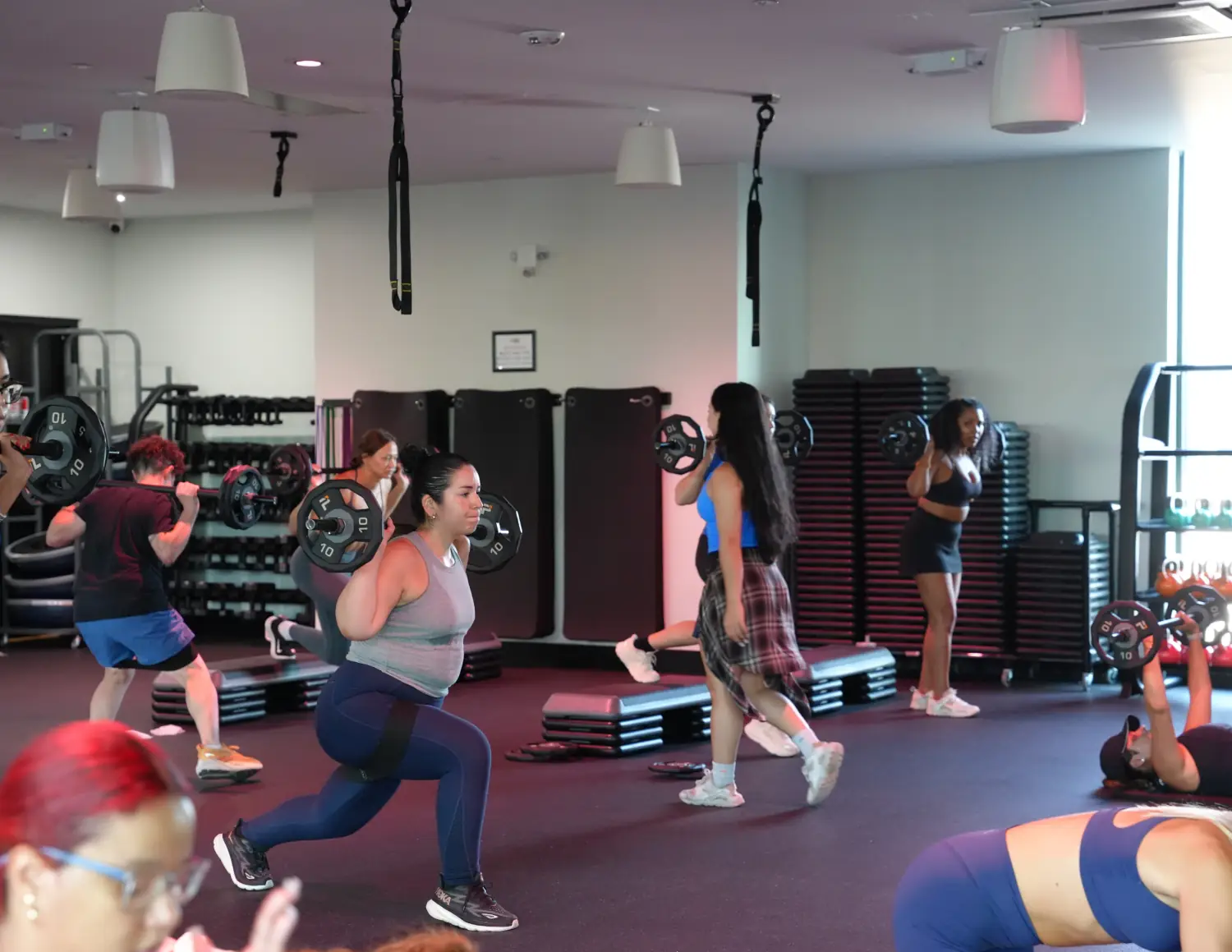
Walk into any gym, and you'll see people lifting impressive amounts of weight.
It's natural to wonder:
"Should I be lifting that heavy too?"
For many beginners, the answer is not yet.
Building strength isn't about choosing the heaviest dumbbell you can move. It's about learning how to move well first.
At Vibe, we believe the strongest lifters aren't the ones who lift the most weight on day one. They're the ones who build great movement patterns that allow them to keep progressing for years.
What Does "Lifting Heavy" Actually Mean?
Heavy is relative.
A weight that feels easy for one person may be challenging for another.
Instead of comparing yourself to others, think about lifting a weight that feels challenging for you while allowing you to maintain excellent technique.
The goal isn't impressing anyone else in the gym.
It's challenging your body safely enough to become stronger over time.
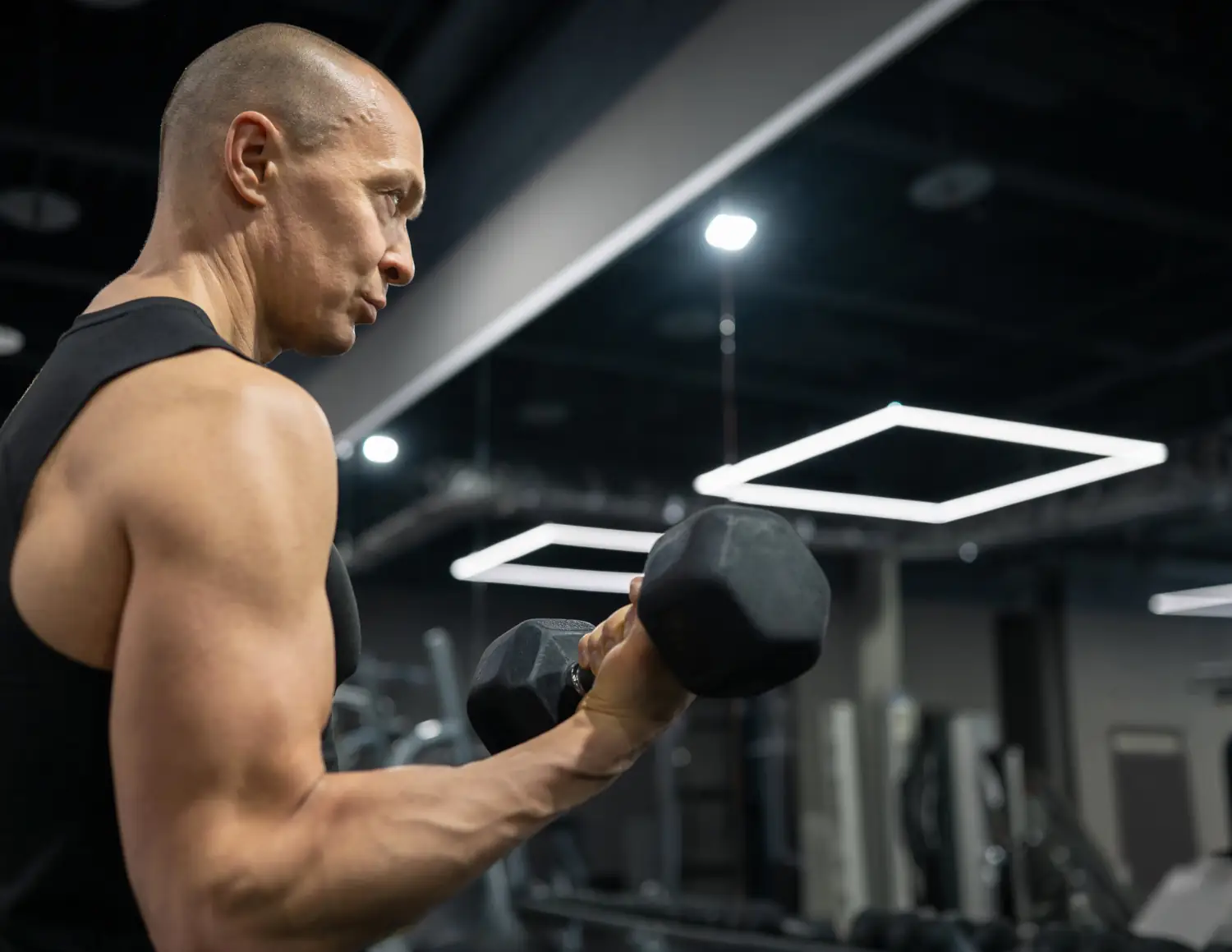
Why Technique Comes First
Strength training is a skill.
Before increasing weight, your body needs to learn:
- Proper posture
- Controlled movement
- Breathing techniques
- Joint positioning
- Balance and stability
Learning these fundamentals creates a stronger foundation for future progress.
Adding weight before mastering technique often leads to poor movement patterns that become harder to correct later.
What Weight Should Beginners Choose?
A good starting weight should allow you to:
- Complete every repetition with good form
- Feel challenged by the last few repetitions
- Maintain control throughout the movement
- Finish the set feeling like you could perform one or two more repetitions with good technique
If the weight feels effortless, it may be time to increase it.
If your technique begins to break down, it's probably too heavy.
Signs the Weight Is Too Heavy
Consider lowering the weight if you notice:
- Swinging or using momentum
- Holding your breath throughout the lift
- Losing balance
- Rounded back or poor posture
- Incomplete range of motion
- Pain during the exercise
Good technique should always come before heavier weights.
When Should You Lift Heavier?
As your body adapts, your workouts should gradually become more challenging.
This concept is called progressive overload.
Progress doesn't always mean adding more weight.
You can also improve by:
- Performing another repetition
- Adding another set
- Slowing your tempo
- Improving technique
- Increasing your range of motion
- Reducing rest time between sets when appropriate
Strength isn't built through dramatic jumps.
It's built through small, consistent improvements.
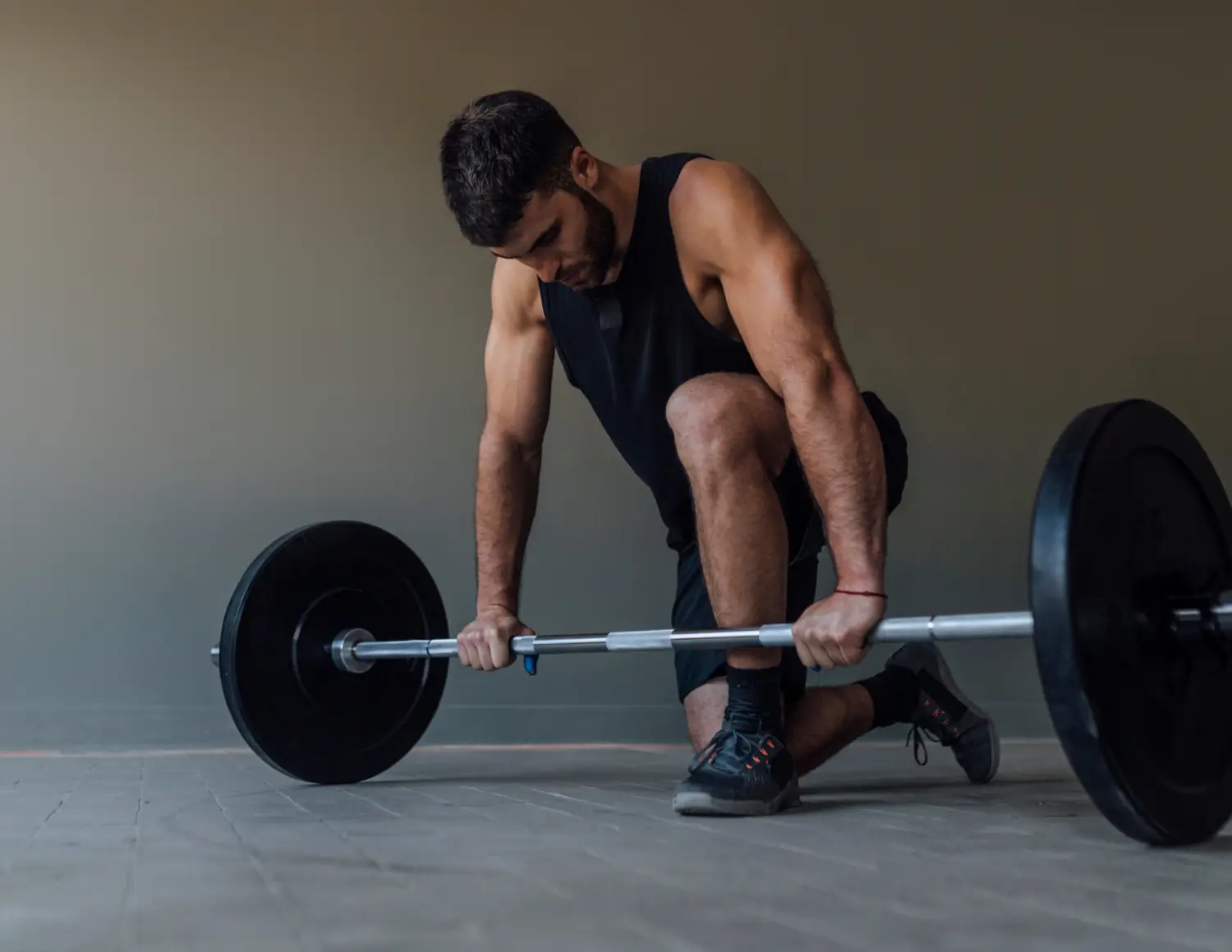
Will Lifting Heavy Make Me Bulky?
This is one of the biggest myths in fitness.
Building significant muscle size takes years of consistent training, nutrition, recovery, and, in many cases, favorable genetics.
For most people, strength training supports:
- Lean muscle
- Better posture
- Improved body composition
- Increased confidence
- Greater functional strength
The goal isn't becoming bulky.
It's becoming stronger.
Confidence Takes Time
Every experienced lifter started as a beginner.
No one walks into the gym knowing exactly what to do.
Confidence comes from repetition.
The more consistently you train, the more comfortable you'll become with new movements and increasing weight when the time is right.
You Don't Need to Lift Alone
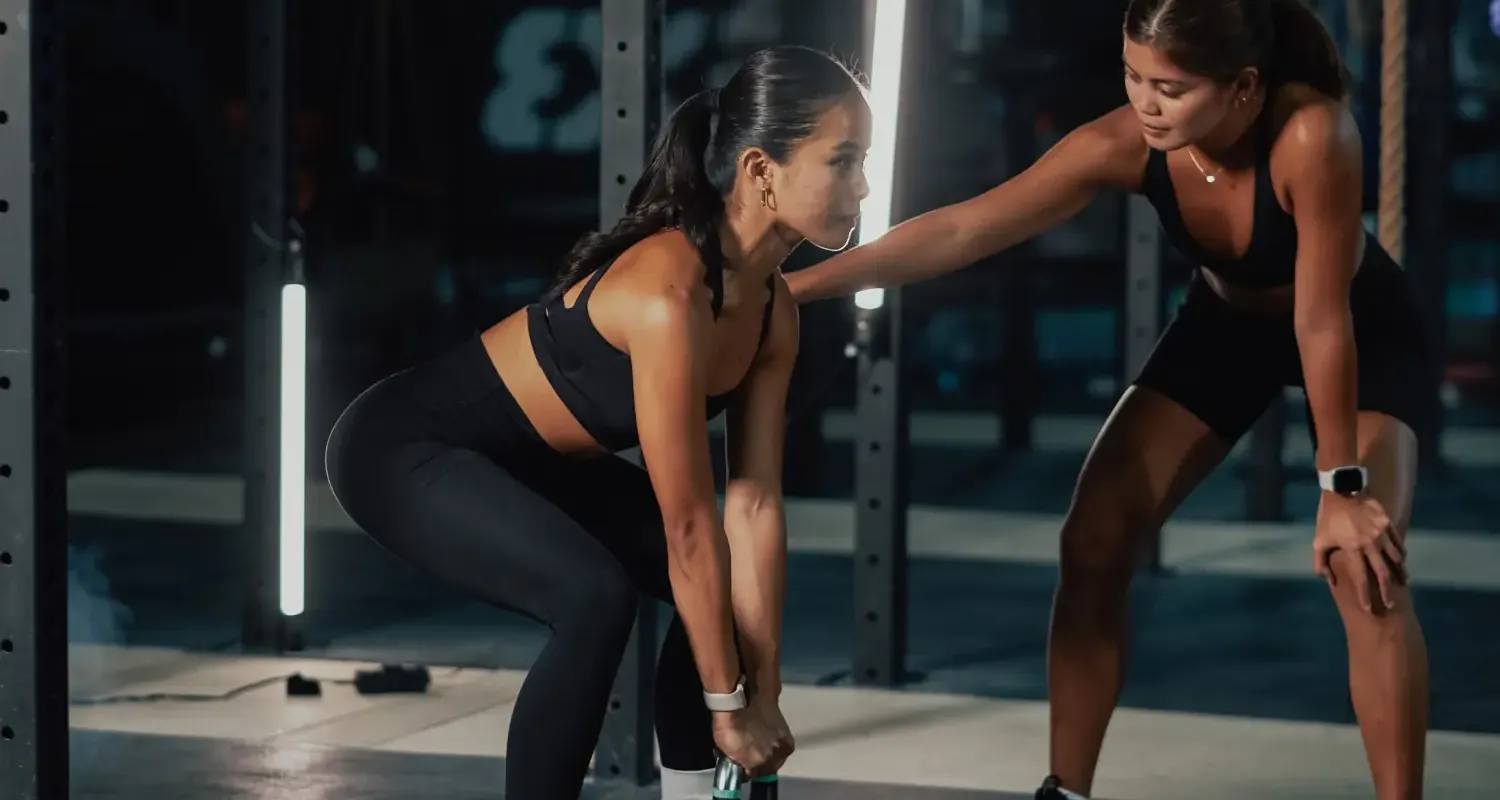
Learning proper technique is easier with guidance.
Whether you're brand new to strength training or returning after time away, having a coach can help you build confidence while avoiding common mistakes.
At Vibe, our coaches focus on teaching movement first, helping you understand not only what to do, but why you're doing it.
A strong foundation today creates better results tomorrow.
Lifting Through The Vibe Method
Strength develops through more than just the weight on the bar.
MOVE
Focus on quality movement before chasing heavier weights.
Strong technique creates long-term progress.
FUEL
Your muscles need adequate protein, carbohydrates, healthy fats, and hydration to support training and recovery.
RECOVER
Recovery allows your body to adapt to training.
Sleep, mobility work, hydration, and rest days all contribute to getting stronger.
LEARN
Understanding exercise technique builds confidence and reduces uncertainty in the gym.
Learning is one of the fastest ways to improve your results.
CONNECT
Working alongside knowledgeable coaches and a supportive community makes learning strength training more enjoyable and less intimidating.
Whether you're joining Vibe FIT, training with a Personal Trainer, or taking a strength-focused Group Fitness class, guidance helps accelerate progress.
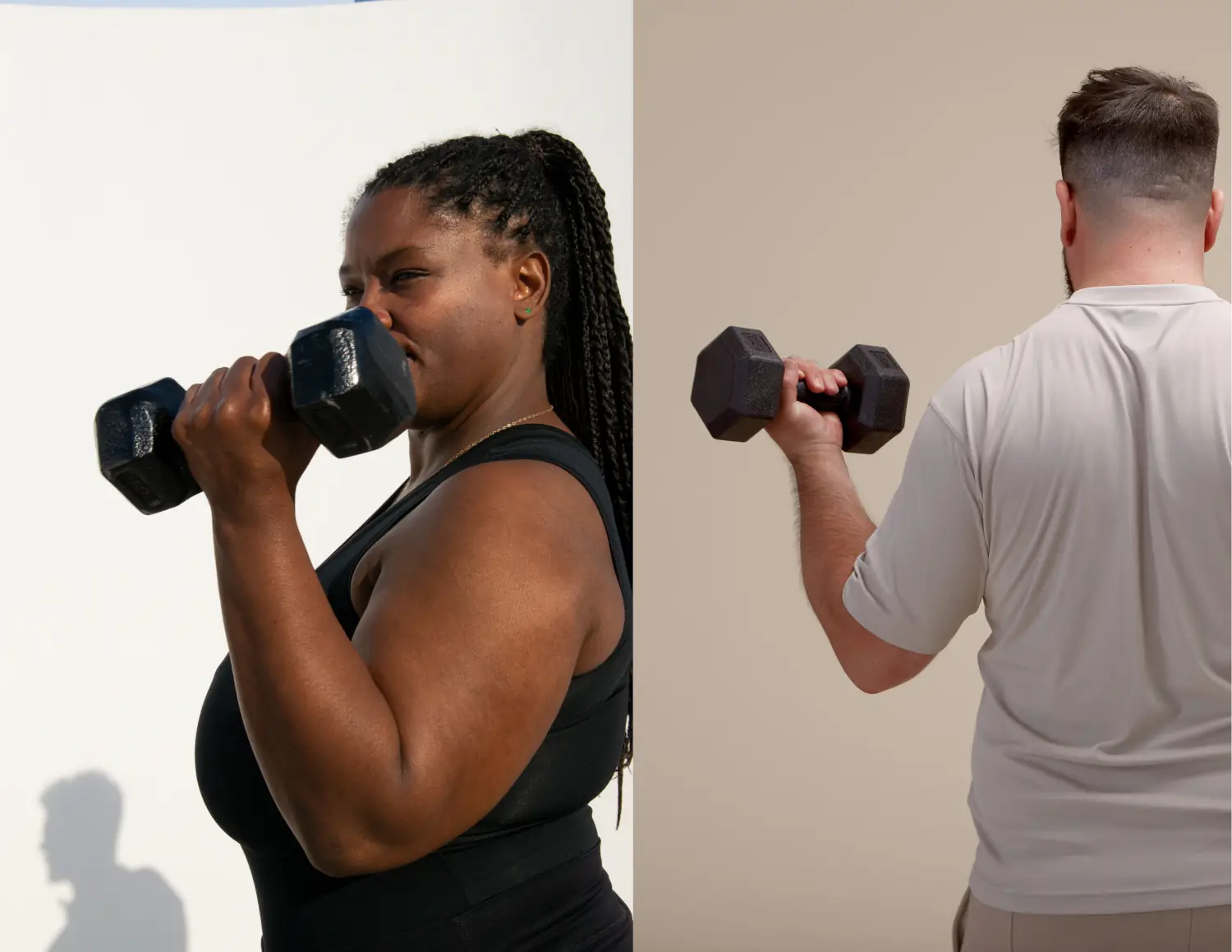
Questions We Hear Every Day
Should beginners lift heavy?
Beginners should focus on learning proper movement patterns before lifting heavy weights. Choose a weight that feels challenging while allowing you to maintain good form throughout every repetition.
How do I know if a weight is too heavy?
If your technique breaks down, you're using momentum, losing balance, shortening your range of motion, or experiencing pain, the weight may be too heavy.
Should I increase the weight every workout?
Not necessarily.
Increase the weight only when you can complete all of your sets and repetitions with good technique and still feel capable of doing one or two more repetitions.
Is lifting light weights a waste of time?
No.
Lighter weights can be highly effective for learning movement patterns, improving muscular endurance, recovering from injury, or building confidence as a beginner.
How many repetitions should beginners do?
Many beginners start with 8 to 12 repetitions for most exercises using a weight that feels challenging while allowing proper technique. Your ideal repetition range depends on your goals and training program.
What if I feel intimidated in the weight room?
You're not alone.
Every experienced lifter was once a beginner. Starting with a coach, joining Vibe FIT, or taking a strength-focused Group Fitness class can help you build confidence while learning proper technique.
Is soreness a sign I lifted enough?
Not necessarily.
Soreness is a normal response to some workouts, especially when trying new exercises, but it isn't required for progress. Improvements in strength, technique, and consistency are much better indicators of success.
Apply The Vibe Method
MOVE
Choose one strength exercise this week and focus on performing every repetition with excellent technique rather than increasing the weight.
FUEL
Support your workouts with balanced meals that include adequate protein, quality carbohydrates, and hydration.
RECOVER
Give your muscles time to recover through sleep, mobility work, and rest days between strength sessions.
LEARN
Continue reading Strength Training 101, How Often Should I Lift Weights?, or Recovery 101 to better understand how your body adapts to resistance training.
CONNECT
If you're unsure where to begin, schedule a session with a Vibe FIT coach. Learning from experienced coaches can help you build confidence, improve technique, and progress safely.
Strength Starts with Skill
Lifting heavier isn't the goal.
Moving better is.
At Vibe, The Vibe Method teaches that lasting strength is built through movement, nutrition, recovery, education, and community working together. Mastering technique today creates the confidence to lift heavier tomorrow, safely and effectively.
Because the strongest lifters aren't the ones who rush.
They're the ones who build a solid foundation and keep getting stronger, one workout at a time.