More Isn't Always Better
One of the first questions people ask after joining a gym is:
"How many days a week should I lift weights?"
Some people believe they need to train every day to see results.
Others wonder if two or three workouts are enough.
The truth is, there isn't one perfect number.
The best strength training routine depends on your goals, experience, recovery, schedule, and consistency.
At Vibe, we believe success isn't about doing the most.
It's about doing what you can recover from and repeat consistently.
Why Strength Training Matters
Strength training is one of the most effective ways to support your overall health.
Regular resistance training can help you:
- Build and maintain muscle
- Increase strength
- Support healthy bones
- Improve posture
- Boost confidence
- Improve balance and stability
- Support healthy aging
- Enhance everyday movement
Whether you're lifting for performance, longevity, or simply to feel stronger, consistency matters far more than perfection.

So...How Often Should You Lift?
For most healthy adults, two to four strength training sessions per week is an excellent place to start.
That allows enough training to make progress while still giving your body time to recover.
Think about quality rather than quantity.
A well-planned three-day routine performed consistently will usually produce better results than an inconsistent six-day program.
Beginner Lifters
Recommended: 2 to 3 days per week
If you're new to strength training, focus on learning movement patterns before worrying about lifting heavier weights.
Prioritize:
- Proper technique
- Full-body workouts
- Consistency
- Recovery
Building confidence is just as important as building strength.
Intermediate Lifters
Recommended: 3 to 4 days per week
As your experience grows, you may increase your training frequency or divide workouts by muscle groups.
Examples include:
- Upper / Lower splits
- Push / Pull / Legs
- Full-body training
Your program should match your schedule and recovery, not someone else's routine on social media.
Advanced Lifters
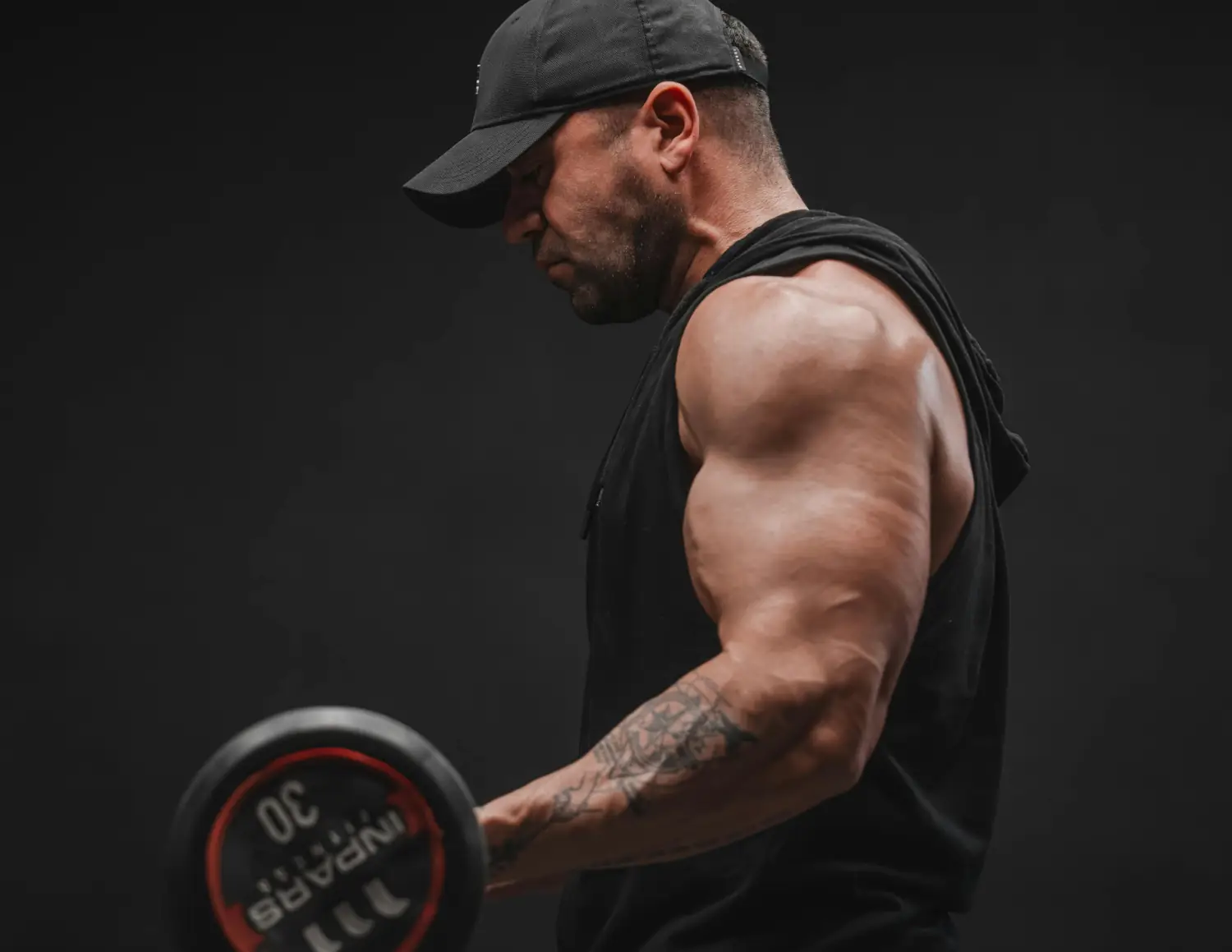
Experienced lifters often train four to six days per week.
However, more training also requires:
- Better recovery
- Higher-quality nutrition
- Adequate sleep
- Planned progression
More workouts don't automatically mean better results.
The quality of your training still matters most.
Do You Need Rest Days?
Absolutely.
Your muscles don't grow while you're lifting.
They grow while they're recovering.
Recovery allows your body to repair muscle tissue, adapt to training, and prepare for your next workout.
Skipping recovery often leads to:
- Increased fatigue
- Reduced performance
- Greater risk of overtraining
- Difficulty staying consistent
Rest isn't a setback.
It's part of the process.
Can You Lift Weights Every Day?
You can, depending on how your program is designed.
Many experienced lifters train on consecutive days by working different muscle groups.
For example:
- Monday: Lower Body
- Tuesday: Upper Body
- Wednesday: Recovery or Mobility
- Thursday: Lower Body
- Friday: Upper Body
The key is allowing individual muscles enough time to recover before training them again.
If you're lifting every day without proper planning, your recovery may suffer.
Should You Do Cardio Too?
Yes.
Strength training and cardiovascular exercise complement one another.
Strength training helps build muscle and supports bone health.
Cardio strengthens your heart, improves endurance, and supports overall cardiovascular health.
The healthiest fitness routine usually includes both.
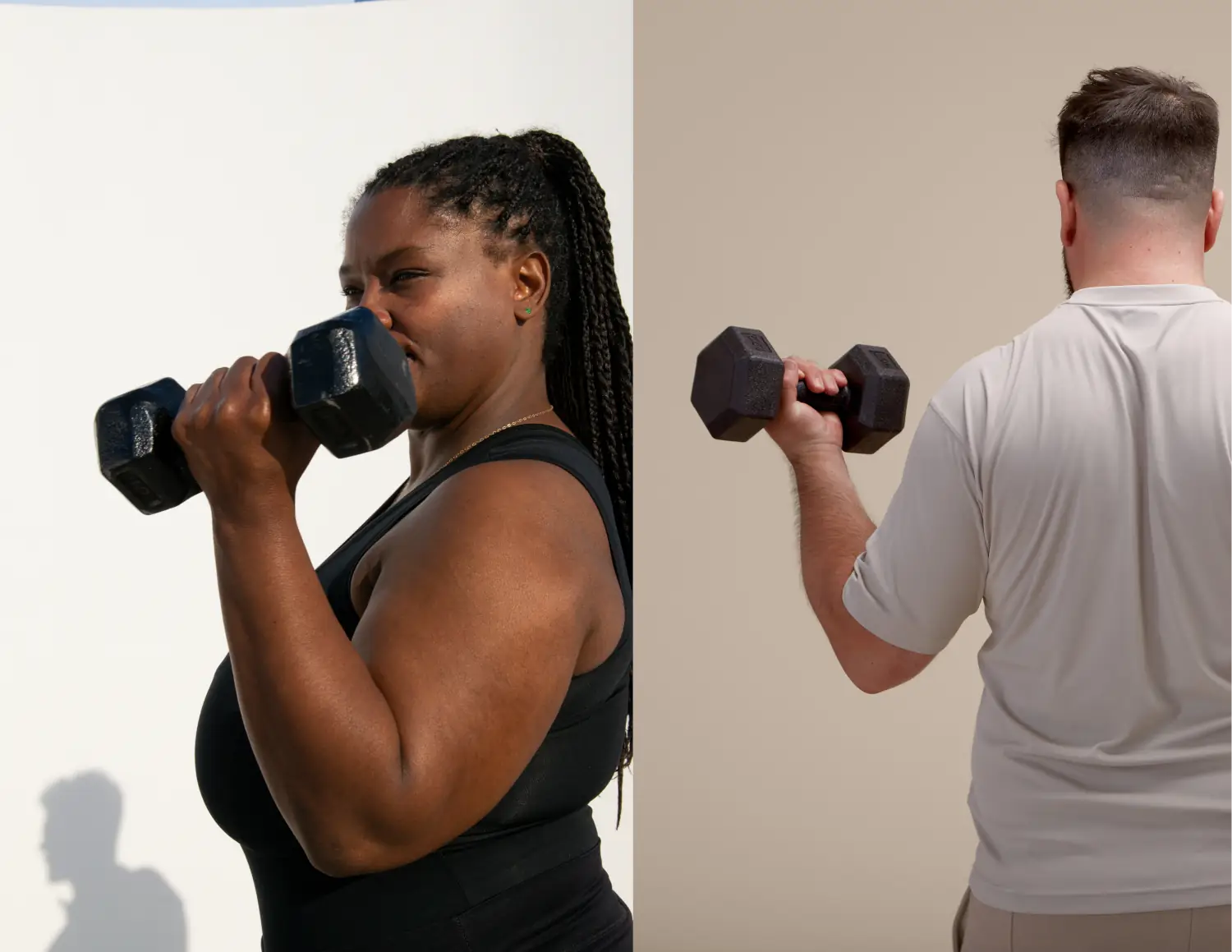
Signs You're Recovering Well
Your current routine may be working if you notice:
- Gradually increasing strength
- Good workout performance
- Steady energy levels
- Quality sleep
- Motivation to train
- Minimal lingering soreness
Recovery is one of the best indicators that your training volume is appropriate.
Signs You May Need More Recovery
Consider reducing your training volume or improving your recovery if you consistently experience:
- Extreme fatigue
- Declining performance
- Persistent soreness
- Difficulty sleeping
- Loss of motivation
- Frequent aches or pains
Sometimes your body isn't asking for more effort.
It's asking for more recovery.
Finding the Right Routine for You
The best workout schedule is one that fits your real life.
If you can consistently train:
- 2 days — That's great.
- 3 days — Excellent.
- 4 days — Fantastic.
What matters most is building a routine you can maintain month after month.
Fitness isn't built during one great week.
It's built through years of consistent habits.
Strength Training Through The Vibe Method
Strength doesn't happen from workouts alone.
It happens when every pillar supports the others.
MOVE
Train consistently with a program that's appropriate for your goals and experience.
Whether you're lifting independently, taking a strength-focused Group Fitness class, or working with a Vibe FIT coach, every session builds toward long-term progress.
FUEL
Muscles need adequate protein, carbohydrates, healthy fats, and overall energy to support training and recovery.
Nutrition fuels adaptation.
RECOVER
Recovery is where progress happens.
Sleep, hydration, mobility work, and rest days help your body become stronger between workouts.
LEARN
Understanding proper programming, recovery, and progressive overload helps you train more effectively than simply adding more workouts.
Knowledge builds confidence.
CONNECT
Training alongside coaches and other members helps you stay accountable and motivated.
Whether you're joining Vibe FIT, Group Fitness, or training with a friend, community helps create consistency.
Questions We Hear Every Day
How many days a week should I lift weights?
For most adults, two to four strength-training sessions per week provides an effective balance of training and recovery. The right number depends on your goals, experience, and schedule.
Is lifting weights twice a week enough?
Yes.
Two well-planned workouts each week can improve strength, support muscle growth, and contribute to overall health, especially for beginners or people with busy schedules.
Can I lift weights every day?
Some experienced lifters train most days of the week by rotating muscle groups and prioritizing recovery. Beginners generally benefit from including rest or active recovery days between strength sessions.
How long should a strength workout last?
Most strength-training sessions last 45 to 75 minutes, depending on your program, experience, and goals. Quality is more important than duration.
Should I lift heavy every workout?
Not necessarily.
Training should include a variety of intensities and exercises. Some days focus on heavier strength work, while others emphasize technique, endurance, or recovery.
Is soreness a sign of a good workout?
No.
Muscle soreness can happen, especially when trying something new, but it isn't the only indicator of an effective workout. Consistent progress, improved strength, and better movement are more meaningful measures of success.
What if I only have time to work out three days a week?
Three days per week is enough to make meaningful progress when paired with balanced nutrition, quality recovery, and consistent effort.
The best program is the one you can maintain.
Apply The Vibe Method
MOVE
Schedule your strength workouts for the week before it begins. Treat them like important appointments with yourself.
FUEL
Support your training with balanced meals that include adequate protein, quality carbohydrates, healthy fats, and hydration.
RECOVER
Plan your recovery with the same intention as your workouts. Prioritize sleep, mobility, and rest days to help your body adapt.
LEARN
Continue reading Strength Training 101, Recovery 101, or Protein 101 to better understand how your body responds to resistance training.
CONNECT
Looking for structure or accountability? Explore Vibe FIT, work with a Personal Trainer, or join one of our strength-focused Group Fitness classes. Training alongside coaches and a supportive community can make consistency easier and more enjoyable.
Consistency Builds Strength
There isn't one perfect training schedule.
There is only the schedule you can consistently follow.
At Vibe, The Vibe Method reminds us that strength isn't built by chasing more workouts. It's built through smart training, balanced nutrition, quality recovery, continued learning, and a community that keeps you moving forward.
Because the strongest routine isn't the busiest one.
It's the one you can sustain for life.