Protein has become one of the most talked-about nutrients in nutrition, and for good reason. It plays an essential role in nearly every function of the body, from building and repairing muscle to supporting your immune system, hormones, skin, hair, and overall health.
But despite its popularity, one question comes up time and time again:
How much protein do you actually need?
The answer depends on your body, your lifestyle, and your goals, but for most people, the goal isn't to eat as much protein as possible. It's to eat enough to support your health consistently.
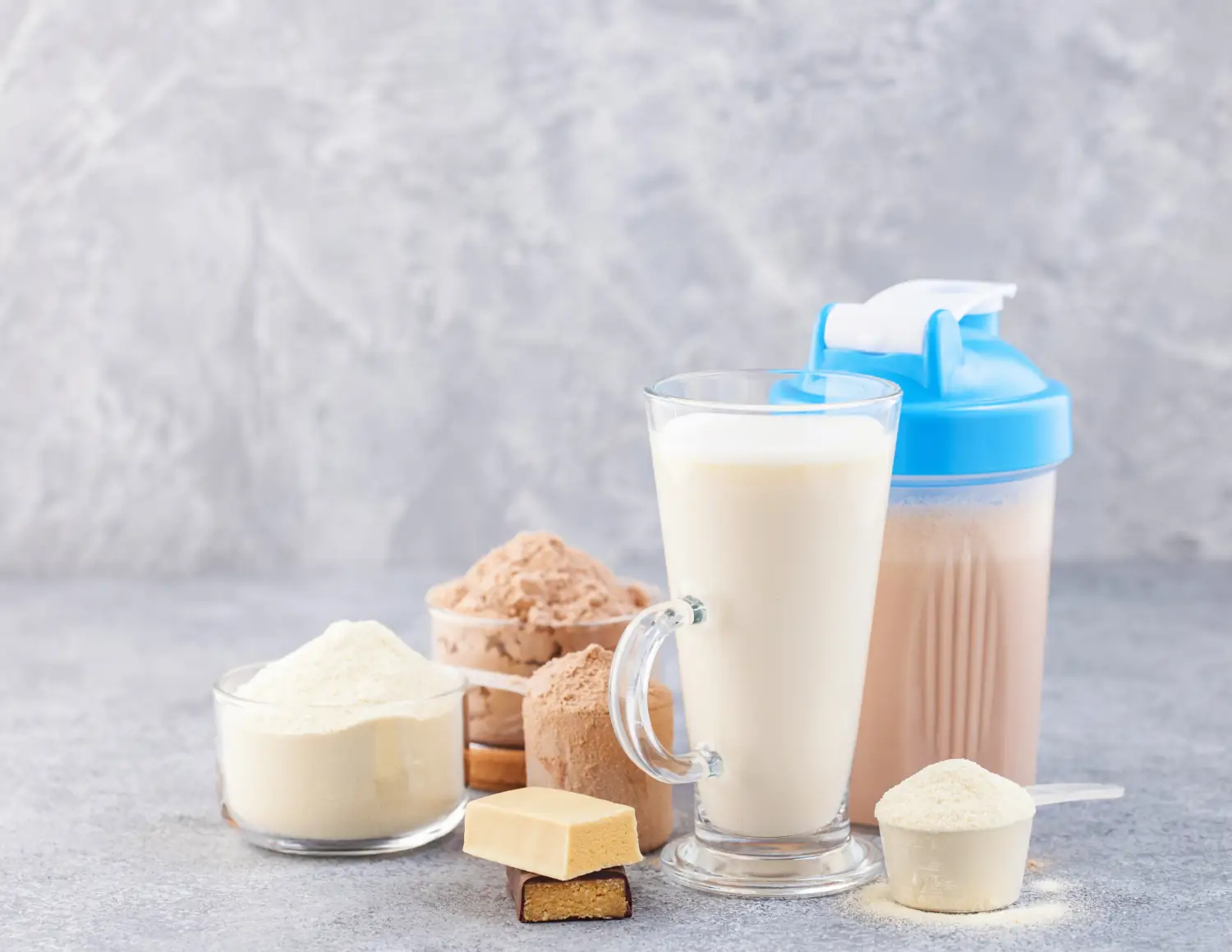
Why Protein Matters
Every workout places stress on your muscles. Protein provides the amino acids your body uses to repair that tissue, helping you recover and adapt over time.
Beyond exercise, protein also helps:
- Maintain and build lean muscle
- Keep you feeling fuller between meals
- Support healthy bones
- Produce enzymes and hormones
- Maintain healthy skin, hair, and nails
- Support immune function
Whether you're strength training, attending Group Fitness classes, training for your first 5K, or simply trying to feel your best, protein is an important part of the equation.
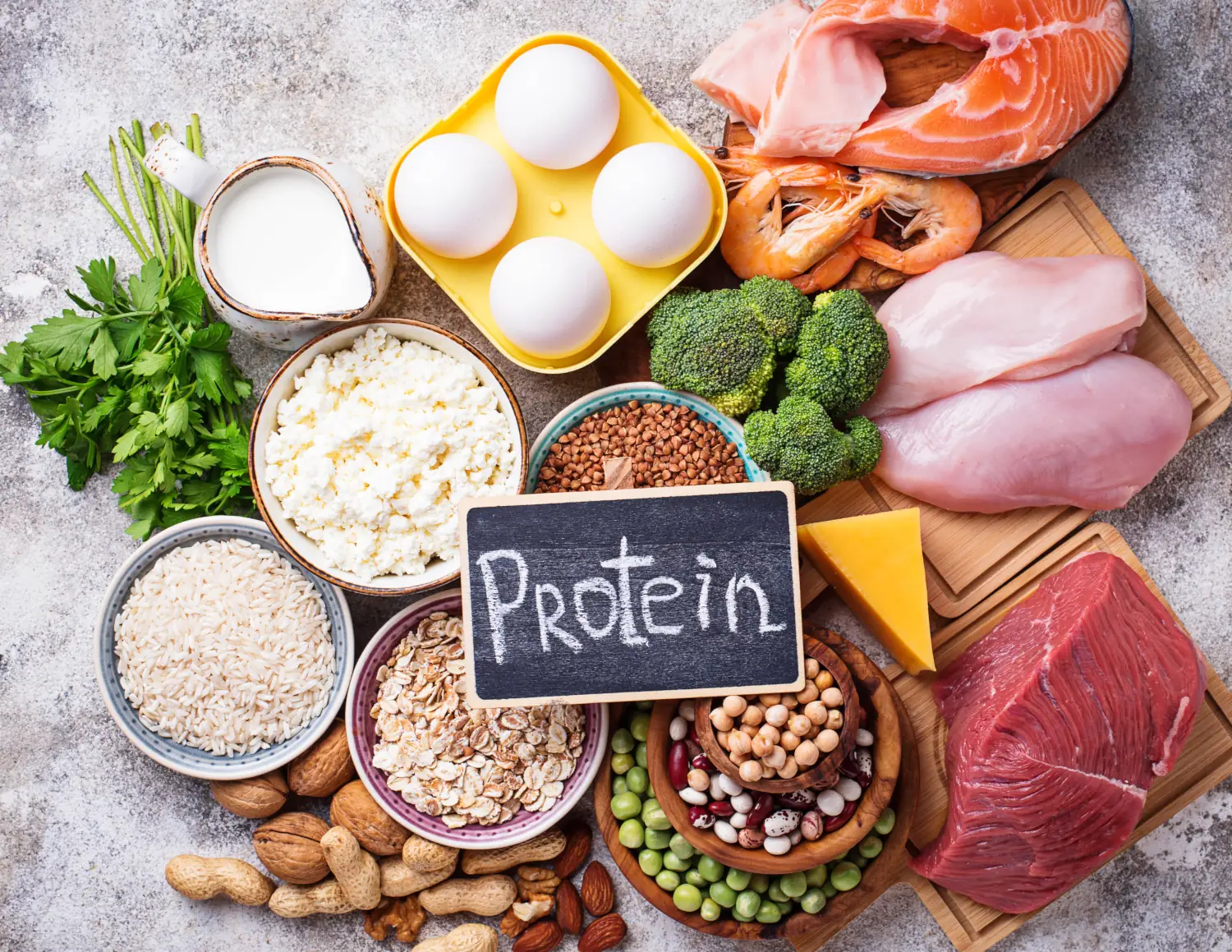
How Much Protein Do Most People Need?
Protein needs vary based on age, body size, activity level, and personal goals.
As a general guideline:
- Most healthy adults benefit from approximately 0.8 grams of protein per kilogram of body weight per day, which is the recommended dietary allowance (RDA) to meet basic nutritional needs.
- People who exercise regularly, especially those doing strength training or endurance training, often benefit from 1.2 to 2.0 grams per kilogram of body weight per day to support recovery, muscle maintenance, and performance.
Rather than focusing on hitting an exact number immediately, aim to include a quality source of protein at each meal.
Small, consistent habits are easier to maintain than chasing perfect macros every day.
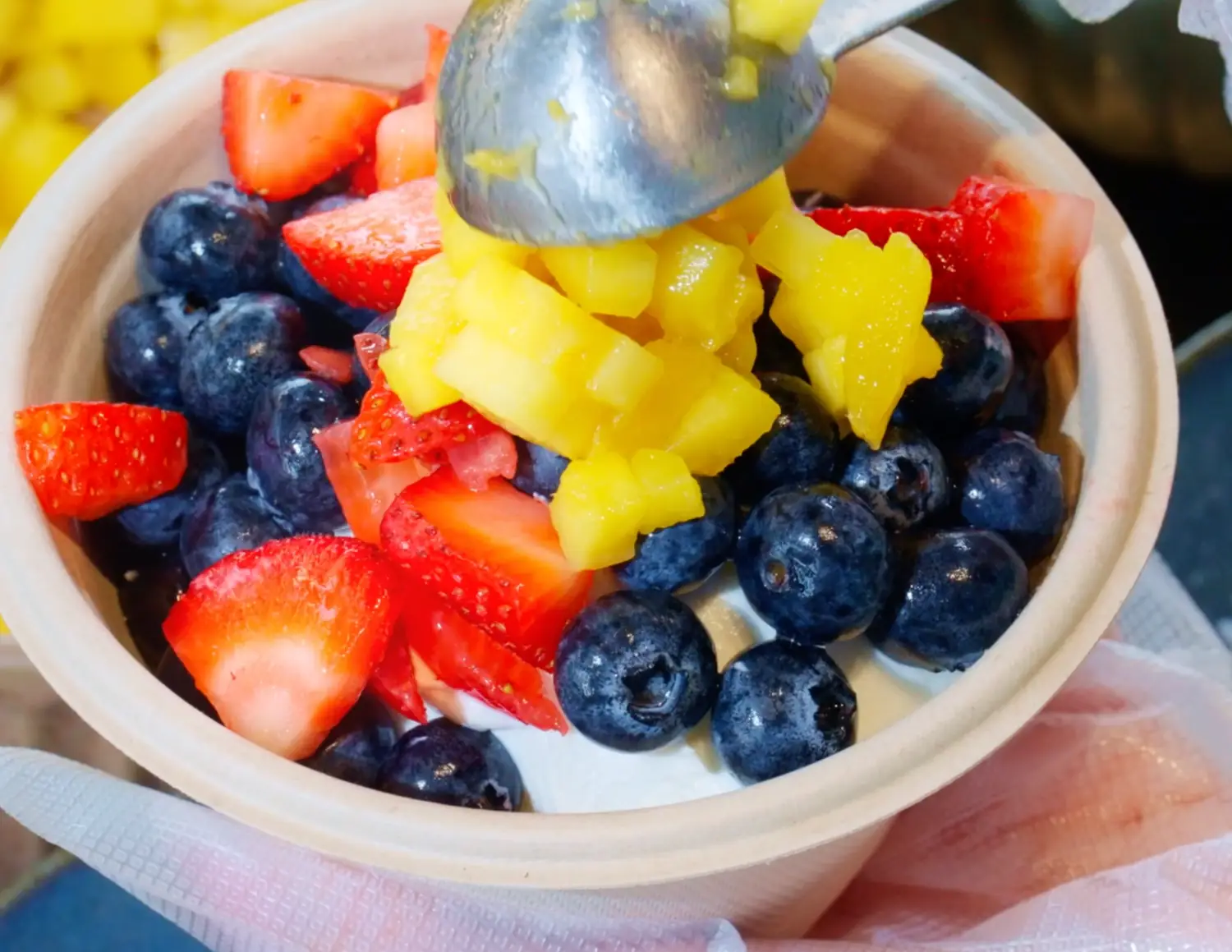
Spread Protein Throughout the Day
Your body benefits from having protein available throughout the day, not just at dinner.
Instead of eating most of your protein in one meal, try including it at breakfast, lunch, dinner, and snacks when possible.
For example:
Breakfast
- Greek yogurt with berries
- Eggs with whole grain toast
- Cottage cheese and fruit
Lunch
- Grilled chicken salad
- Turkey sandwich on whole grain bread
- Grain bowl with tofu or beans
Dinner
- Salmon with vegetables and rice
- Lean turkey chili
- Shrimp stir-fry
Snacks
- Greek yogurt
- Cottage cheese
- Edamame
- Roasted chickpeas
- Protein smoothie

Quality Matters Too
Protein comes from both animal and plant sources, and both can fit into a balanced diet.
Examples include:
Animal Proteins
- Chicken
- Turkey
- Fish
- Eggs
- Greek yogurt
- Cottage cheese
- Lean beef
Plant Proteins
- Lentils
- Beans
- Chickpeas
- Tofu
- Tempeh
- Edamame
- Quinoa
A variety of protein sources also provides different vitamins, minerals, and nutrients that contribute to overall health.
Can You Eat Too Much?
More protein isn't always better.
Once your daily needs are met, eating significantly more won't automatically lead to faster muscle growth. Muscle is built through the combination of progressive training, adequate recovery, overall nutrition, and consistency.
Think of protein as one important piece of the puzzle, not the entire picture.
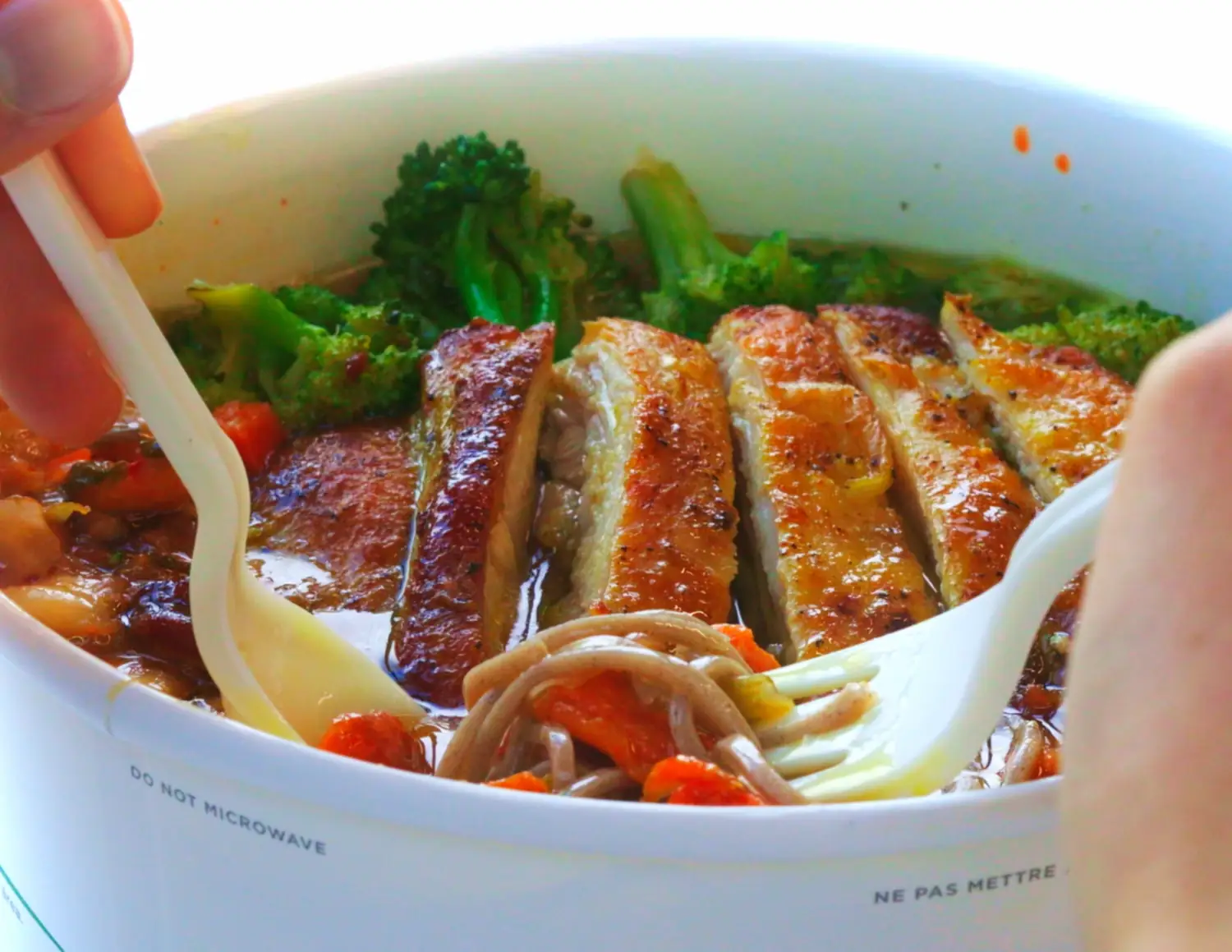
Protein and Your Goals
Different goals may require different approaches:
Building Muscle
Prioritize adequate protein alongside a strength training program and enough overall calories to support growth.
Fat Loss
Protein can help preserve lean muscle while increasing satiety, making it easier to stay satisfied during a calorie deficit.
General Wellness
Including protein at each meal helps support healthy aging, energy, recovery, and day-to-day function.
No matter your goal, consistency matters more than perfection.
You Don't Have to Chase Trends
Social media often promotes extreme protein goals, oversized shakes, and complicated tracking methods.
The reality is much simpler.
Focus on eating balanced meals that include protein, vegetables or fruit, quality carbohydrates, and healthy fats. Build habits you can maintain long after a fitness challenge or nutrition trend has passed.
Good nutrition should feel sustainable.
Continue Your Journey
Protein is one part of a balanced approach to wellness. Explore more ways to fuel your body throughout the Vibe ecosystem.
Recommended Experiences
- Explore protein-rich meals and snacks available through Pure Eats.
- Meet with a Vibe FIT coach for guidance on aligning your nutrition with your fitness goals.
At Vibe, we believe nutrition isn't about chasing perfection or following trends. It's about building simple, sustainable habits that help you move well, recover well, and feel your best every day.