Healthy eating starts before you're hungry.
One of the biggest challenges people face isn't knowing what to eat.
It's deciding what to eat when they're already busy, hungry, or short on time.
That's where meal planning can make all the difference.
Meal planning isn't about eating the exact same meal every day or spending your entire Sunday cooking. It's about making intentional choices ahead of time so healthy decisions become easier throughout the week.
At Vibe, we believe successful nutrition isn't built on willpower. It's built on preparation, consistency, and habits that fit your lifestyle.
What Is Meal Planning?
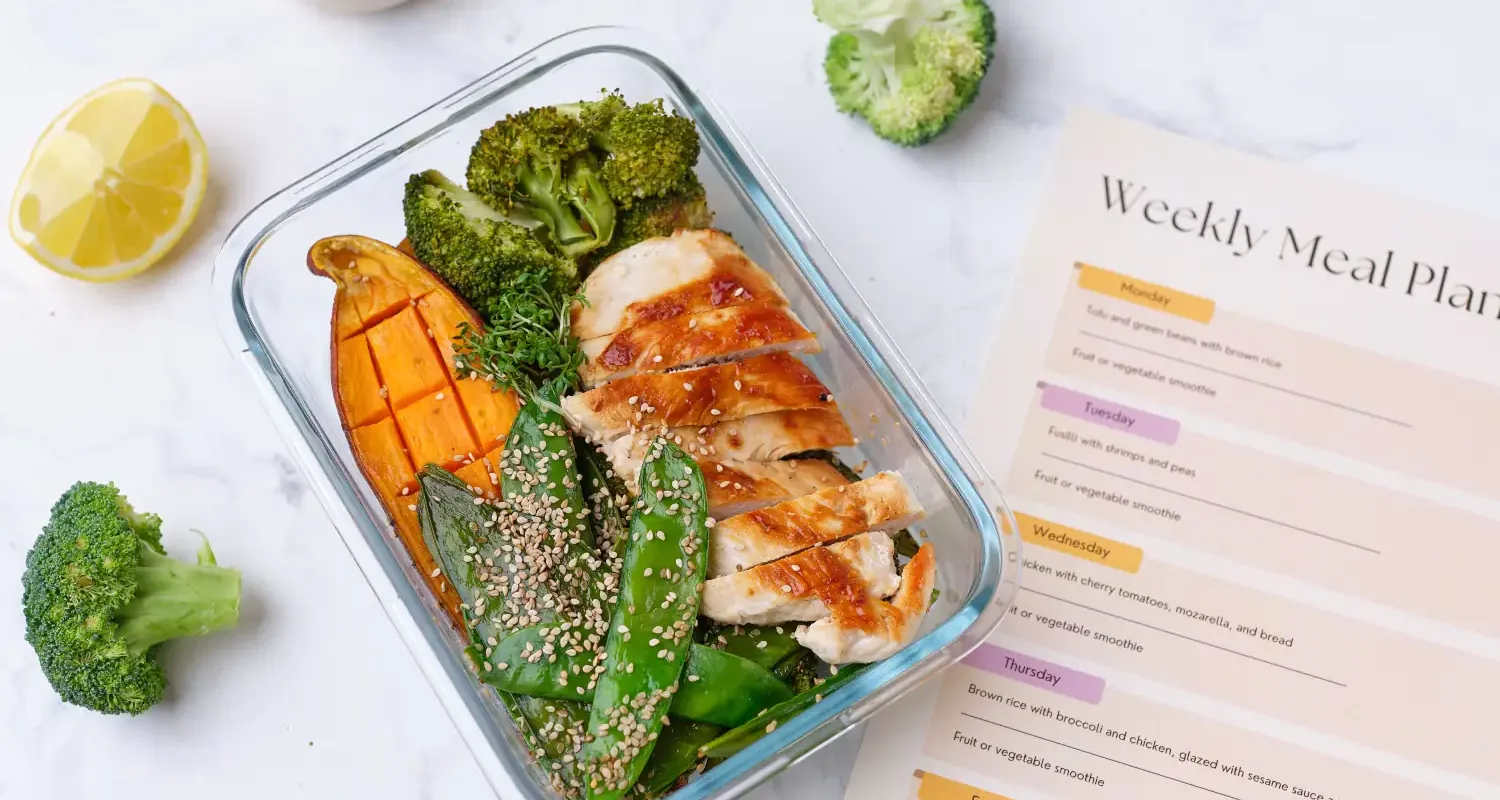
Meal planning is the process of deciding what you'll eat before you need to eat it.
That could mean:
- Planning dinners for the week
- Packing tomorrow's lunch
- Preparing healthy snacks
- Grocery shopping with a plan
- Keeping balanced meals available during busy days
Meal planning reduces last-minute decisions, helps minimize food waste, and makes it easier to stay consistent with your nutrition goals.
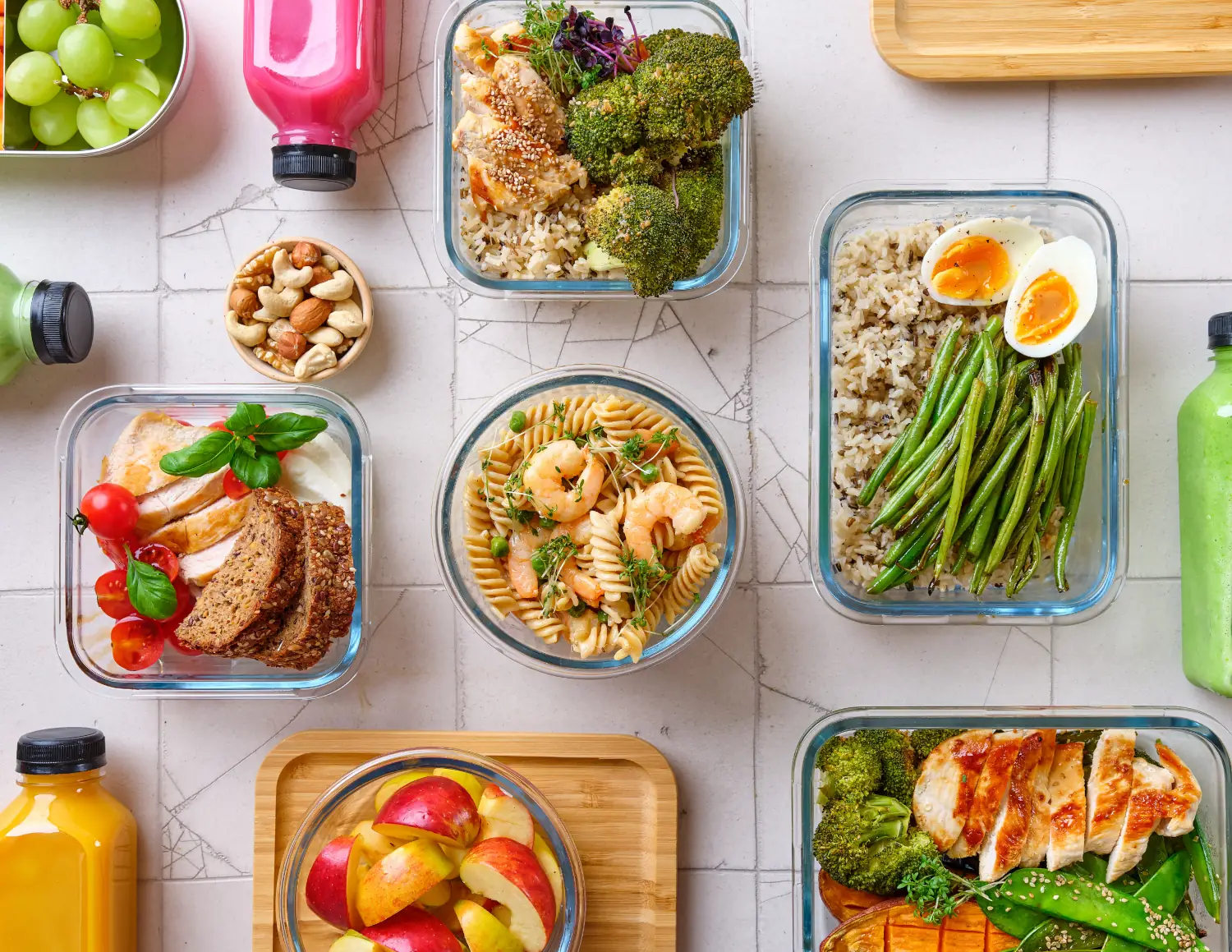
Why Meal Planning Matters
Life gets busy.
Work meetings run late.
Kids have activities.
You forget your lunch.
Without a plan, convenience often wins.
Meal planning helps you:
- Save time during the week
- Reduce food waste
- Spend less money on takeout
- Eat more balanced meals
- Support workout recovery
- Reduce decision fatigue
- Stay consistent with your health goals
The goal isn't perfection.
The goal is making healthy choices easier.
Start with Your Schedule, Not Your Recipes
Many people plan meals around recipes.
Instead, start with your calendar.
Ask yourself:
- Which days will I be home for dinner?
- Which days will I need lunch at work?
- When am I working out?
- Which evenings will I have the least amount of time?
Once you know your schedule, you can build meals that realistically fit your week.
A healthy plan is only helpful if you can actually follow it.
Build Meals Around Balance
Every meal doesn't have to be complicated.
A simple formula can help you create balanced, satisfying meals.
Aim to include:
Lean Protein
Supports muscle maintenance, recovery, and helps keep you full.
Examples:
- Chicken
- Fish
- Turkey
- Eggs
- Greek yogurt
- Tofu
- Beans
Quality Carbohydrates
Provide energy for daily life and exercise.
Examples:
- Brown rice
- Potatoes
- Oats
- Whole grain bread
- Fruit
- Quinoa
Healthy Fats
Support hormone health, brain function, and satisfaction after meals.
Examples:
- Avocados
- Olive oil
- Nuts
- Seeds
Fruits and Vegetables
Add color, fiber, vitamins, minerals, and antioxidants.
Try including at least one fruit or vegetable with every meal.
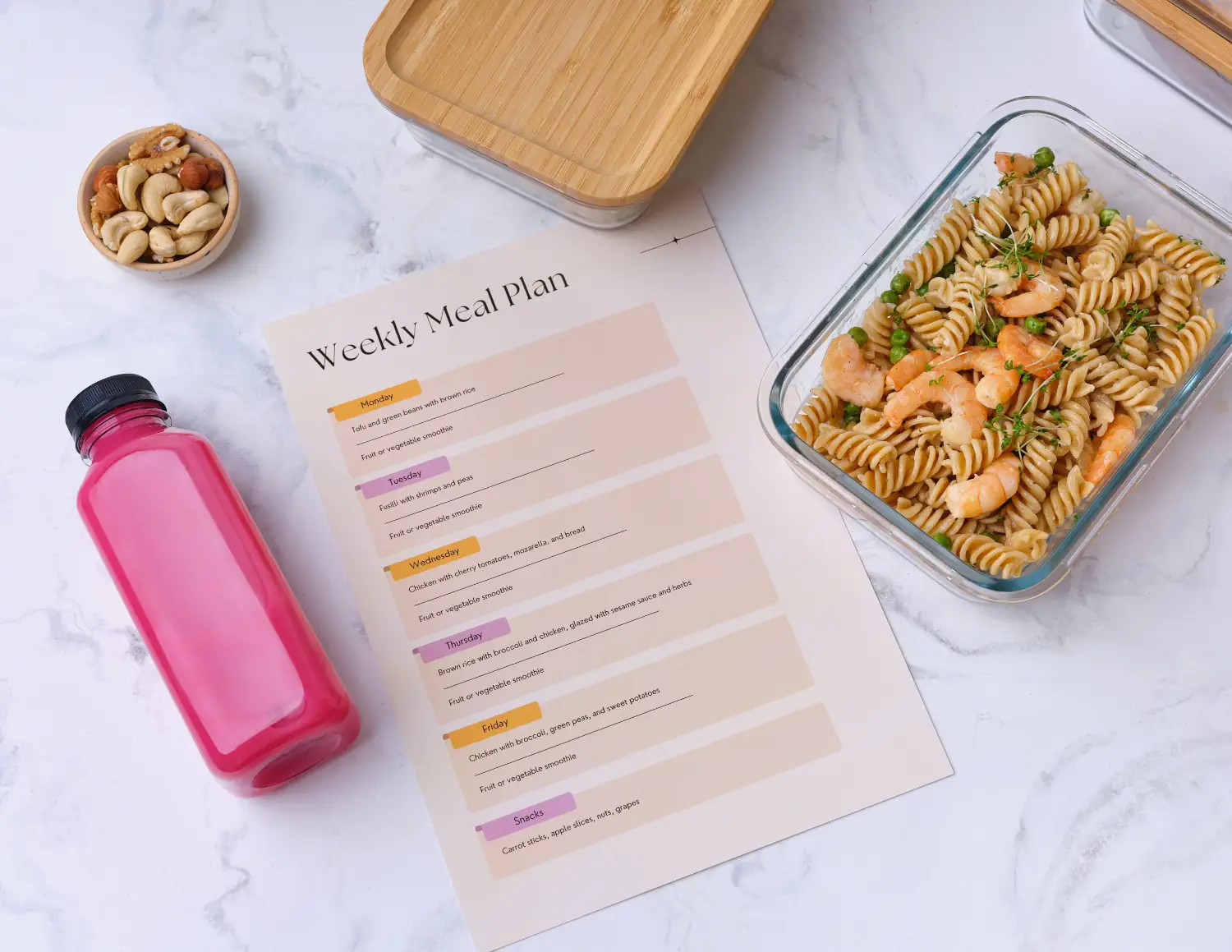
Make Meal Prep Work for You
Meal planning doesn't always mean cooking every meal in advance.
There are different approaches depending on your lifestyle.
Batch Cook
Prepare several servings of one or two meals to enjoy throughout the week.
Ingredient Prep
Cook proteins, grains, and vegetables separately so you can mix and match meals.
Grab-and-Go
Keep healthy options available for busy days, such as:
- Greek yogurt
- Hard-boiled eggs
- Fresh fruit
- Trail mix
- Protein-rich snacks
- Prepared salads
Mix Fresh with Convenient
Not every meal needs to be homemade.
Combining home-cooked meals with healthy prepared options can make consistency much more realistic.
Healthy Eating Doesn't Have to Be All or Nothing
One of the biggest mistakes people make is believing every meal has to be perfect.
It doesn't.
Some weeks you'll cook.
Some weeks you'll order takeout.
Some weeks you'll rely on prepared meals.
Healthy eating is about your overall pattern, not one individual meal.
Consistency always beats perfection.
Making Healthy Choices Easier with Pure Eats
Sometimes the biggest obstacle isn't motivation.
It's time.
For members balancing work, family, training, and everything in between, having convenient, balanced meals available can help remove one of the biggest barriers to healthy eating.
Pure Eats offers chef-prepared meals designed to support an active lifestyle, making it easier to stay consistent even on your busiest days.
Whether you use Pure Eats every day or simply as a backup when life gets hectic, convenience can be an important part of building lasting habits.
Healthy eating should fit your life, not complicate it.
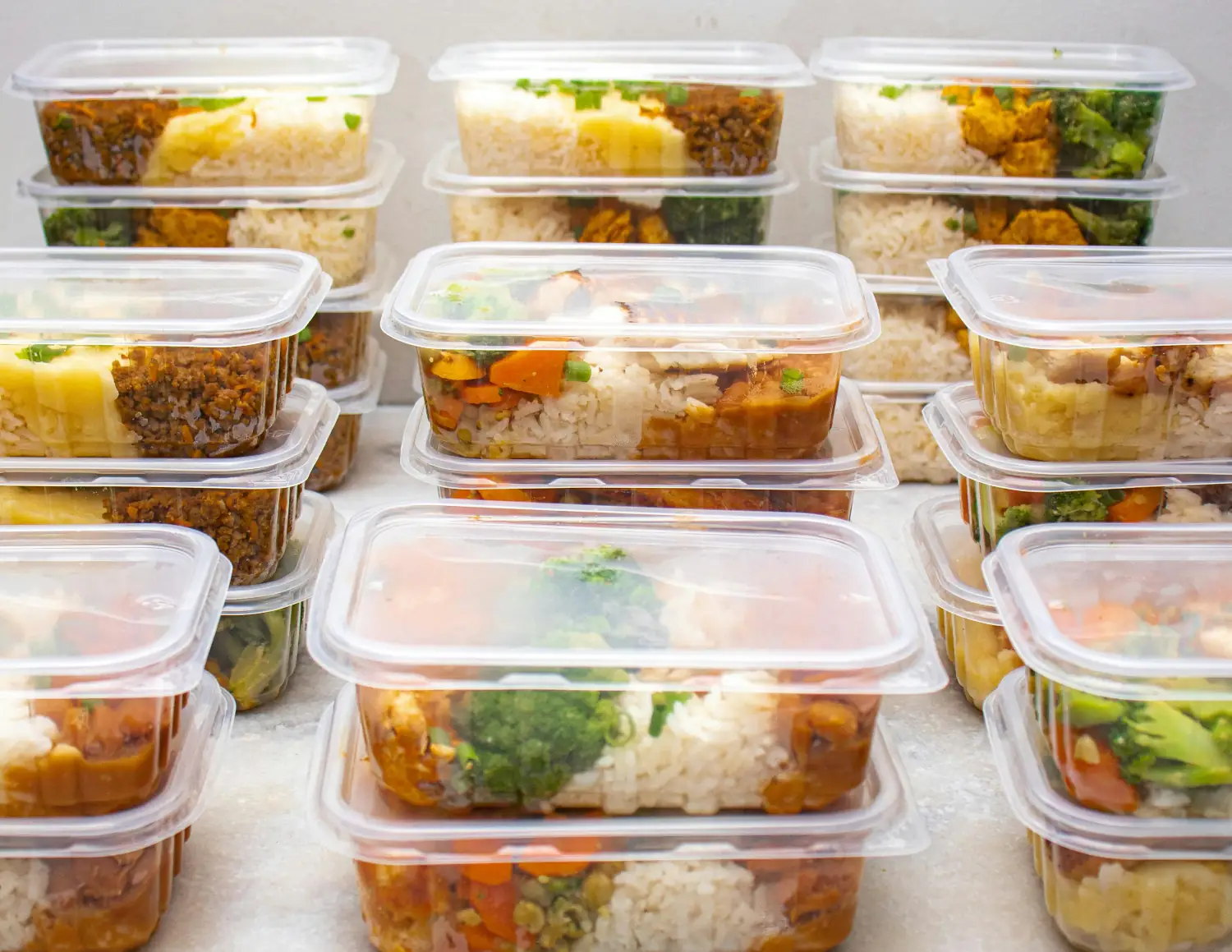
Meal Planning and The Vibe Method
Healthy eating works best when it supports every part of your wellness journey.
MOVE
Planning meals ahead helps ensure you have the energy needed for workouts and everyday movement.
FUEL
Balanced meals provide your body with protein, carbohydrates, healthy fats, vitamins, and minerals to support overall health.
RECOVER
Planning meals after workouts makes it easier to prioritize protein, hydration, and balanced nutrition that supports recovery.
LEARN
Understanding how to plan meals builds confidence and reduces reliance on fad diets or last-minute decisions.
CONNECT
Sharing meals with family, grocery shopping together, or enjoying lunch with coworkers turns healthy eating into a lifestyle rather than another task on your to-do list.
Questions We Hear Every Day
How many days should I meal prep?
There isn't one right answer.
Some people prepare meals for an entire week, while others prefer planning just two or three days at a time.
Choose a schedule that fits your routine and allows food to stay fresh.
Do I have to eat the same meal every day?
No.
Many people enjoy variety.
Preparing ingredients instead of complete meals allows you to mix and match different combinations throughout the week.
Can meal planning help me save money?
Yes.
Planning meals before grocery shopping often reduces impulse purchases, food waste, and the need for last-minute takeout.
What if I don't have time to cook?
Meal planning doesn't require cooking every meal from scratch.
Preparing a few ingredients, using frozen vegetables, or incorporating chef-prepared meals can help you stay consistent even during busy weeks.
Is frozen food healthy?
Many frozen fruits and vegetables retain their nutritional value and can be an excellent option when fresh produce isn't available.
The nutritional quality of prepared frozen meals varies, so checking the ingredient list and nutrition label can help you make informed choices.
Should I meal prep if my goal is weight loss?
Meal planning can support many different health goals, including weight management, because it helps reduce last-minute food decisions and encourages balanced eating habits.
The best meal plan is one that you can realistically maintain.
How do I stay consistent with meal planning?
Start small.
Plan just one meal each day or prepare lunches for a few workdays.
Building one sustainable habit is often more effective than trying to completely overhaul your routine overnight.
Apply The Vibe Method
MOVE
Schedule your workouts for the week and plan meals that support your activity level.
FUEL
Choose one meal to plan ahead this week using lean protein, quality carbohydrates, healthy fats, and colorful vegetables.
RECOVER
Keep a balanced post-workout meal or snack available so you're prepared after exercise.
LEARN
Continue reading Building a Balanced Plate or How to Grocery Shop Like a Nutrition Coach to strengthen your nutrition foundation.
CONNECT
Cook with family, share healthy recipes with friends, or stop by Pure Eats when your schedule gets busy. Healthy habits become easier when they're supported by both preparation and community.
Healthy Eating Begins with a Plan
You don't need a perfect meal plan to build a healthier lifestyle.
You simply need one that's realistic enough to follow.
At Vibe, The Vibe Method reminds us that lasting wellness is built through consistent habits, not perfect days. Meal planning is one of the simplest ways to reduce stress, make healthier choices, and create a routine that supports your goals.
Because the healthiest meal isn't always the most elaborate one.
It's the one you've planned for and can consistently enjoy.