Protein Does More Than Build Muscle
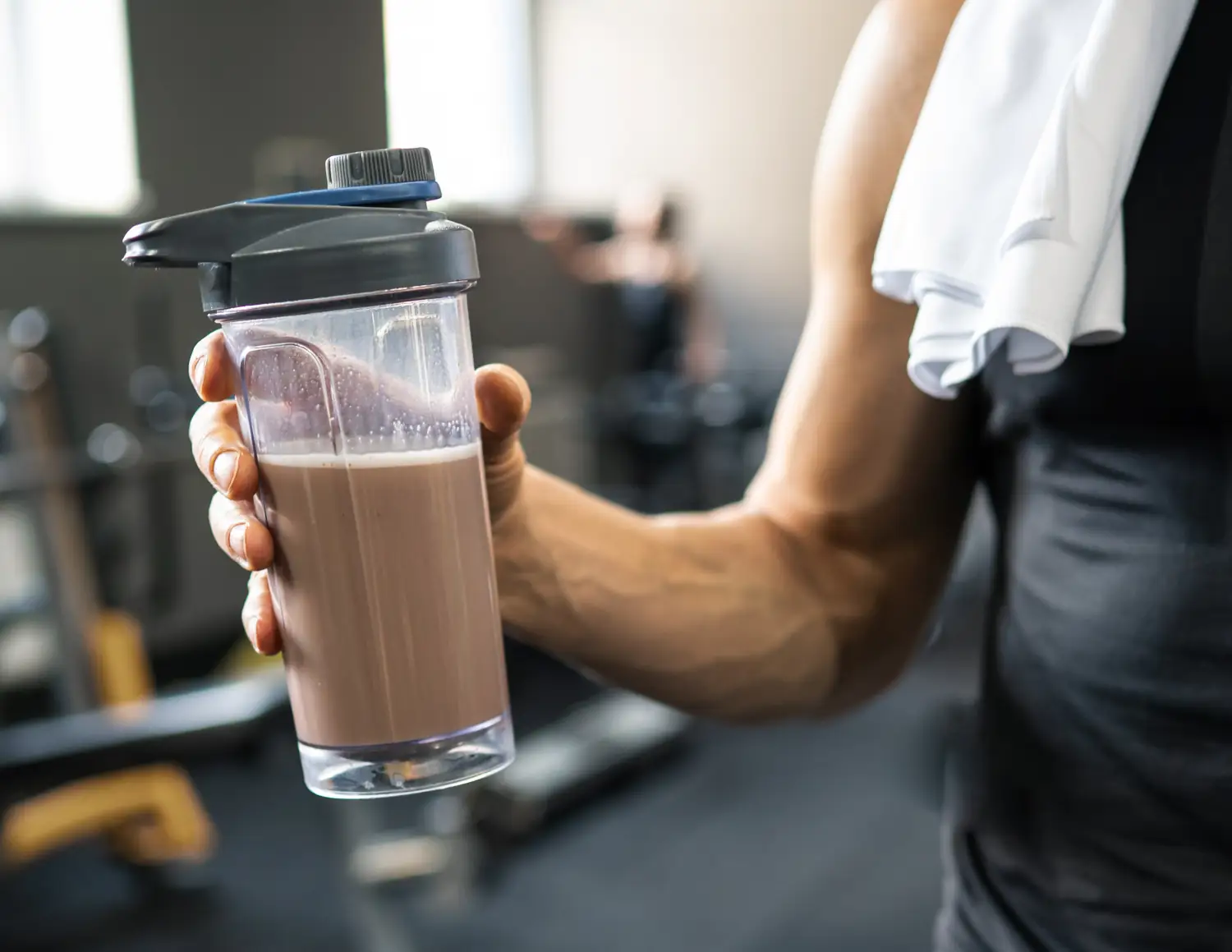
When most people think about protein, they picture athletes, bodybuilders, or post-workout shakes.
While protein certainly plays an important role in muscle growth, its benefits extend far beyond the gym.
Protein is one of the essential nutrients your body needs every day. It helps repair tissues, supports your immune system, produces hormones and enzymes, keeps you feeling satisfied after meals, and plays a key role in healthy aging.
Whether your goal is to lose weight, build strength, recover from workouts, improve your overall health, or simply eat more balanced meals, protein is one of the most important nutrients you can include in your diet.
At Vibe, we believe protein isn't just for performance.
It's for living well.
What Is Protein?
Protein is one of the three macronutrients your body needs, alongside carbohydrates and fats.
It's made up of amino acids, often called the building blocks of life because they're used to build and repair tissues throughout your body.
Your body relies on protein to support:
- Muscle growth and maintenance
- Recovery after exercise
- Healthy skin, hair, and nails
- Hormone production
- Enzyme function
- Immune health
- Healthy aging
Unlike some nutrients your body can store, protein should be consumed regularly throughout the day to support normal body functions.
Why Protein Matters
Protein plays an important role whether you're active or not.
For active individuals, protein helps repair muscle tissue after exercise and supports strength development over time.
For everyone else, protein contributes to everyday functions like maintaining muscle as you age, supporting your metabolism, and helping you feel satisfied between meals.
One of the biggest benefits of protein is that it helps create meals that keep you fuller for longer, making it easier to maintain consistent eating habits.
How Much Protein Do You Need?
Protein needs vary based on your age, activity level, body size, health status, and goals.
While individual needs differ, many active adults benefit from aiming for approximately 1.2 to 2.0 grams of protein per kilogram of body weight per day, especially if they regularly participate in resistance training or are working to maintain muscle while losing weight.
Rather than focusing on consuming all your protein in one meal, many nutrition professionals recommend spreading protein intake throughout the day.
If you're unsure how much protein is appropriate for your individual needs, a registered dietitian or qualified healthcare professional can help you determine the right amount for your lifestyle and goals.
High-Quality Sources of Protein
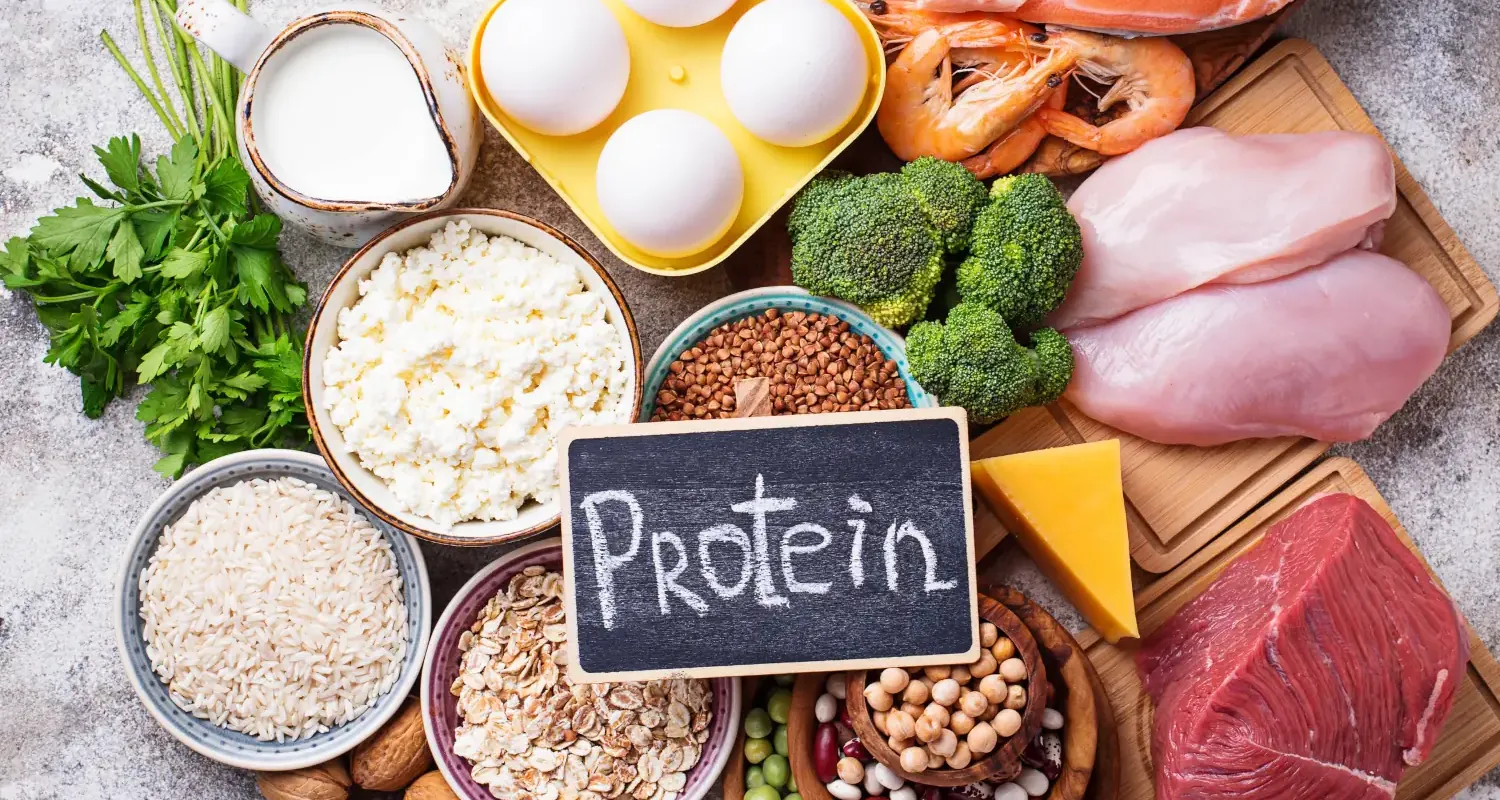
Protein comes from both animal and plant foods.
Animal Sources
- Chicken
- Turkey
- Fish
- Eggs
- Greek yogurt
- Cottage cheese
- Lean beef
- Pork
- Milk
Plant Sources
- Lentils
- Beans
- Chickpeas
- Edamame
- Tofu
- Tempeh
- Quinoa
- Nuts and seeds
Including a variety of protein sources throughout the week helps provide your body with additional vitamins, minerals, and nutrients.
Protein and Exercise
Exercise challenges your muscles.
Protein helps support the repair process afterward.
Consuming protein after resistance training or other forms of exercise can support muscle recovery and help your body adapt to training over time.
Remember, protein alone doesn't build muscle.
Strength training, adequate recovery, and consistent nutrition all work together.
Protein and Healthy Aging
One of the lesser-known benefits of protein is its role in supporting healthy aging.
As we get older, maintaining muscle becomes increasingly important for balance, mobility, independence, and overall quality of life.
Combined with regular strength training, adequate protein intake can help support muscle maintenance throughout adulthood and into older age.
Healthy aging isn't just about living longer.
It's about continuing to live well.
Can You Eat Too Much Protein?
For most healthy adults, consuming protein within recommended ranges as part of a balanced diet is considered safe.
However, more isn't always better.
Extremely high-protein diets may not provide additional benefits if they come at the expense of other important nutrients like fiber, healthy fats, fruits, and vegetables.
The goal isn't to maximize protein.
It's to build balanced meals that support your overall health.
Protein and The Vibe Method
Protein is one important piece of your wellness journey.
MOVE
Movement creates the stimulus for strength and growth.
FUEL
Protein provides the building blocks your body needs to support recovery and everyday health.
RECOVER
Eating protein after exercise, alongside carbohydrates and hydration, helps support muscle repair and recovery.
LEARN
Understanding how much protein you need allows you to make informed nutrition choices instead of following trends.
CONNECT
Healthy habits are easier to maintain when shared. Cooking balanced meals with family, grabbing lunch with friends, or enjoying chef-prepared meals through Pure Eats can all help make protein-rich eating more consistent.
Getting More Protein Throughout Your Day
Increasing protein doesn't have to mean drinking multiple shakes every day.
Simple strategies include:
- Add Greek yogurt to breakfast.
- Include lean protein with lunch and dinner.
- Choose protein-rich snacks like cottage cheese, edamame, or roasted chickpeas.
- Prepare meals ahead of busy weeks.
- Keep convenient protein options available when you're on the go.
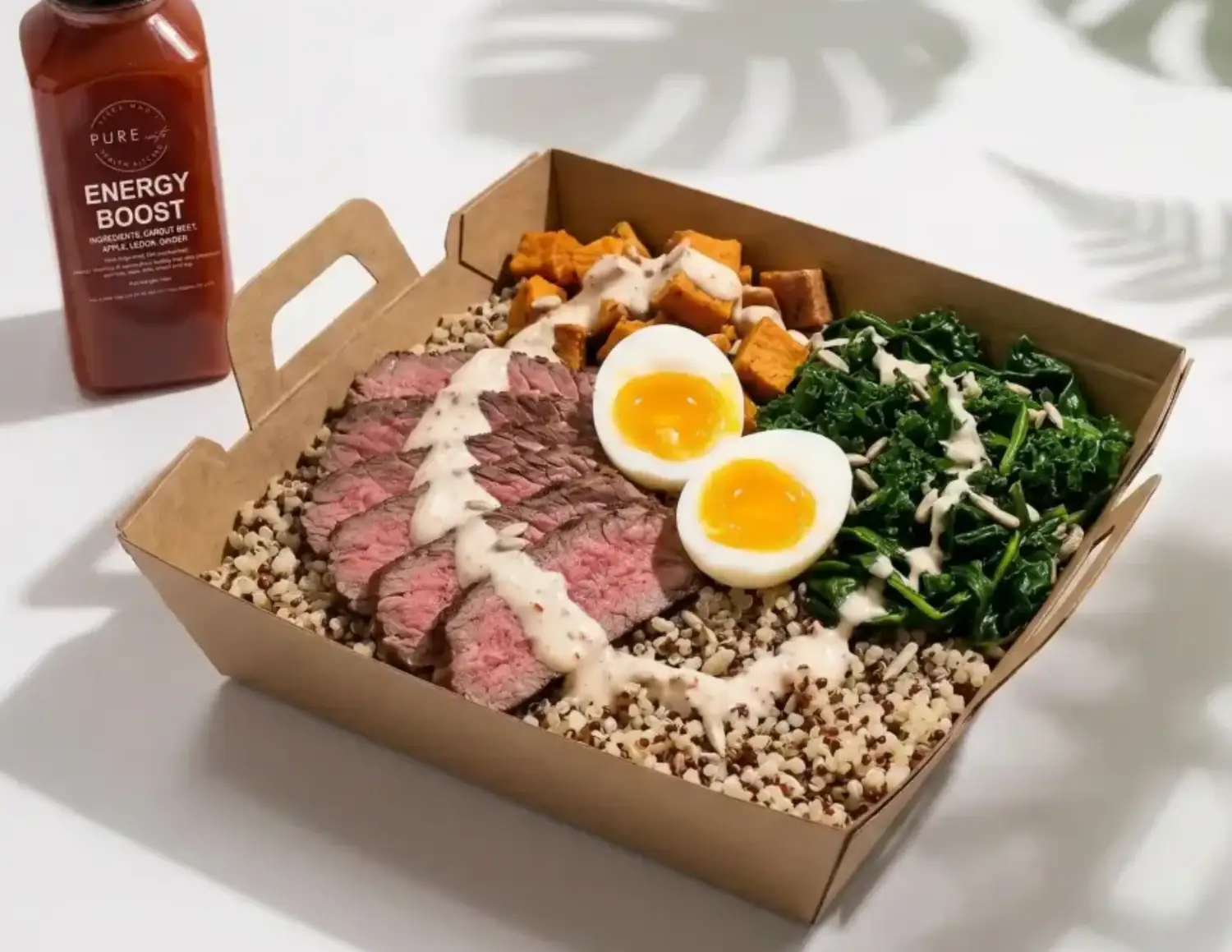
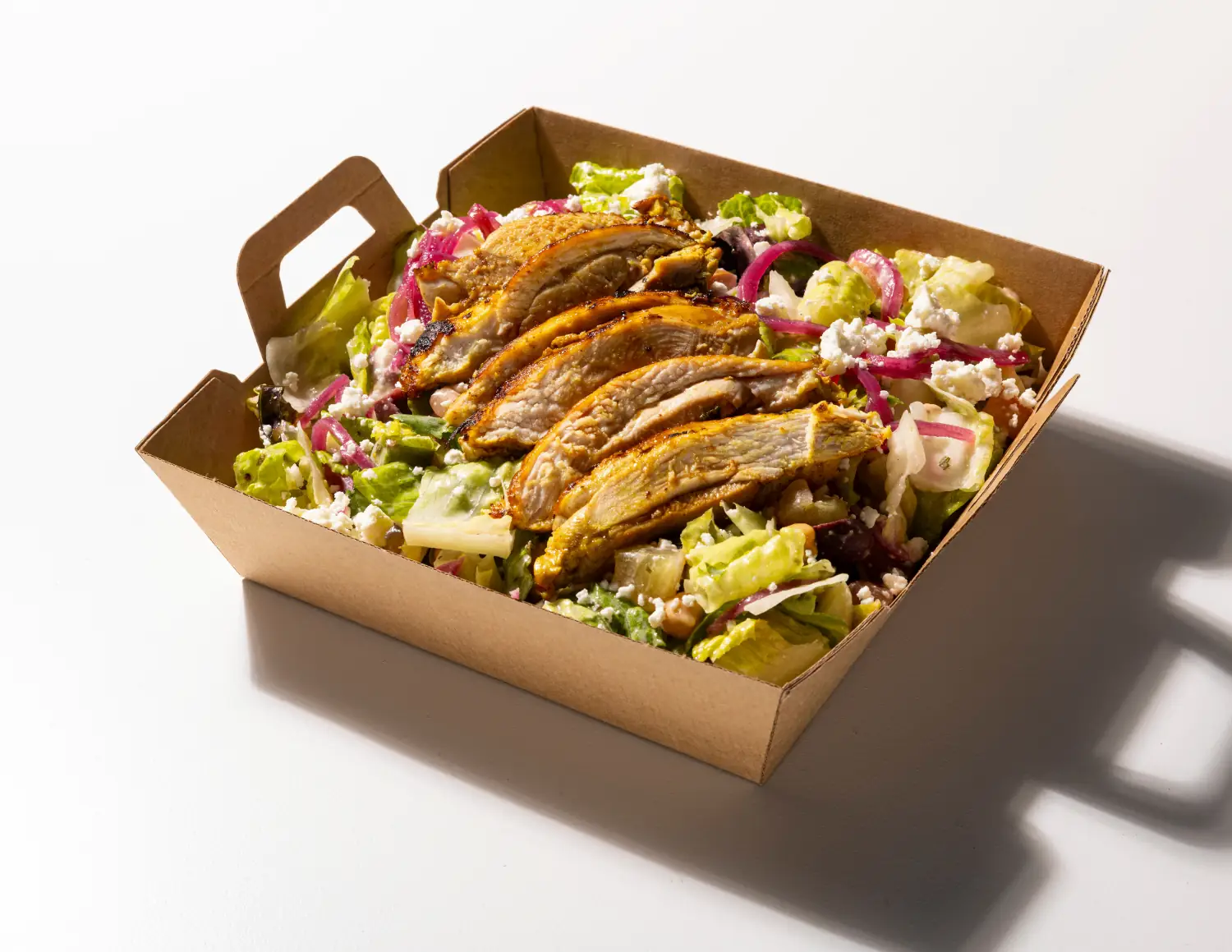
- Choose balanced chef-prepared meals from Pure Eats when time is limited.
Small habits often lead to lasting change.
Questions We Hear Every Day
What does protein do for your body?
Protein helps build and repair tissues, supports muscle maintenance, contributes to hormone and enzyme production, supports immune function, and helps keep you feeling satisfied after meals.
How much protein should I eat each day?
Protein needs vary based on age, activity level, and personal goals.
Many active adults benefit from approximately 1.2 to 2.0 grams of protein per kilogram of body weight per day, but individual needs can differ.
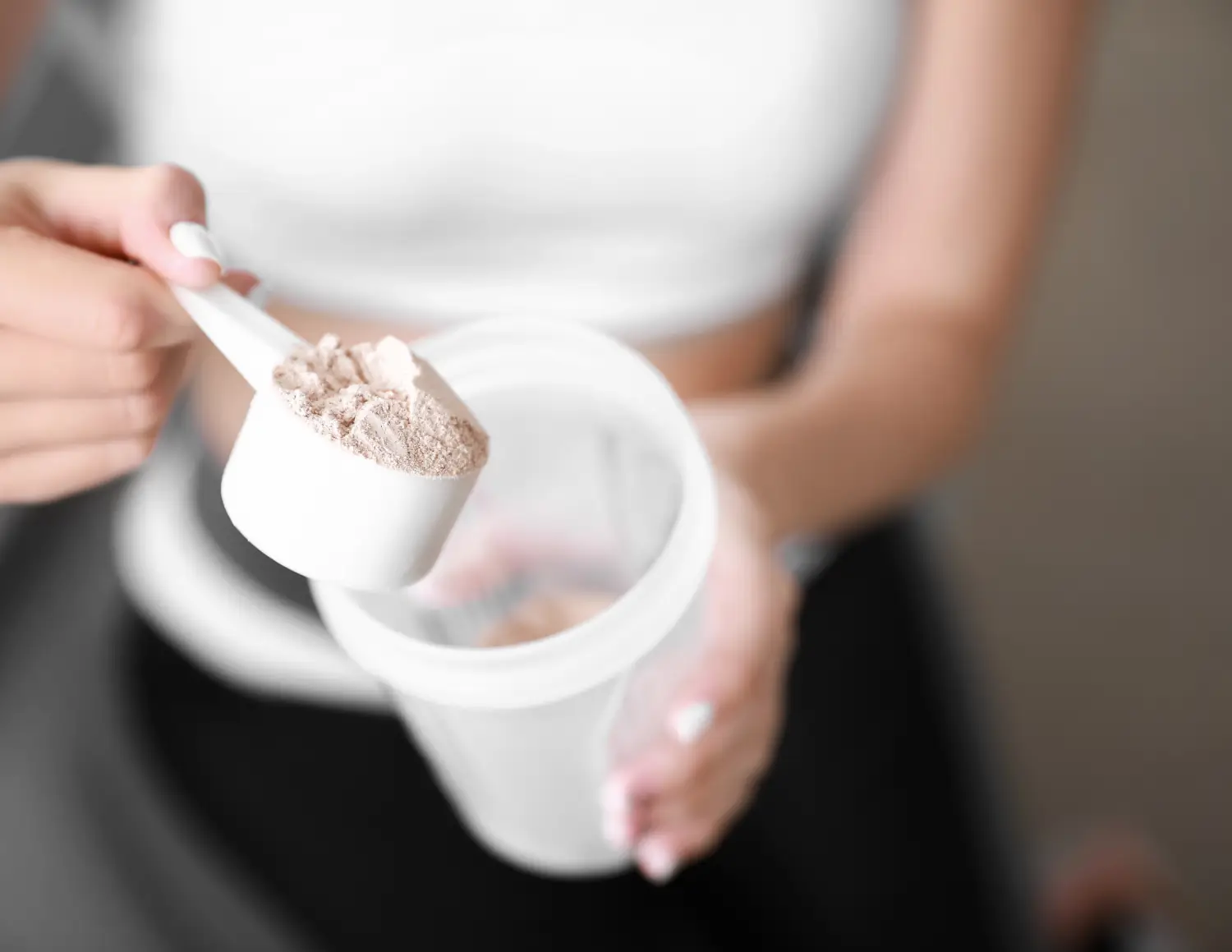
Do I need protein powder?
Not necessarily.
Most people can meet their protein needs through whole foods.
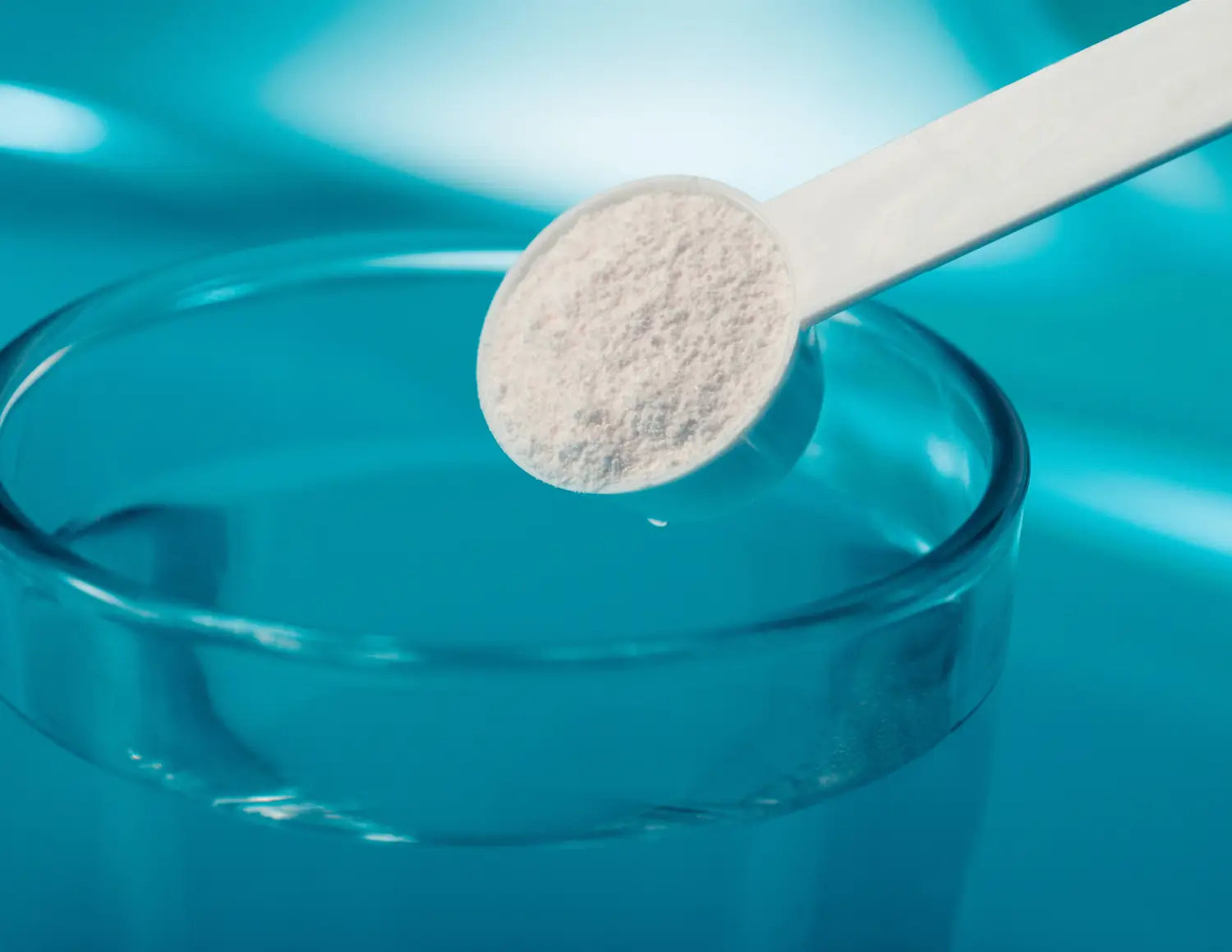
Protein powder can be a convenient option when it's difficult to consume enough protein through meals alone, but it isn't required for a healthy diet.
When should I eat protein?
Including protein throughout the day is generally more beneficial than eating most of it in one meal.
Many people also choose to include protein after exercise to support recovery.
Can I build muscle without eating enough protein?
Protein and strength training work together.
Exercise provides the stimulus for muscle growth, while protein provides many of the nutrients needed to support muscle repair and maintenance.
Are plant proteins as good as animal proteins?
Both animal and plant foods can contribute to a healthy diet.
Eating a variety of protein sources helps provide a wide range of nutrients while supporting overall health.
Does eating more protein help with weight management?
Protein can help increase feelings of fullness and support muscle maintenance during weight loss when combined with an overall balanced eating pattern and regular physical activity.
Apply The Vibe Method
MOVE
Complete a strength training workout or join a Group Fitness class this week.
FUEL
Aim to include a quality source of protein with each meal today.
RECOVER
After your next workout, enjoy a meal or snack that combines protein, carbohydrates, and hydration to support recovery.
LEARN
Continue reading Nutrition 101 or Building a Balanced Plate to learn how protein fits into a complete nutrition plan.
CONNECT
Visit Pure Eats to explore balanced, protein-rich meal options or share a healthy meal with family or friends.
Protein Is a Foundation, Not a Trend
Protein isn't reserved for athletes or bodybuilders.
It's a nutrient your body depends on every day to support movement, recovery, healthy aging, and overall wellness.
At Vibe, The Vibe Method reminds us that no single nutrient creates lasting health on its own. When balanced nutrition, regular movement, quality recovery, continued learning, and supportive community come together, healthy habits become a lifestyle.
Because eating well isn't about chasing trends.
It's about consistently giving your body what it needs to thrive.