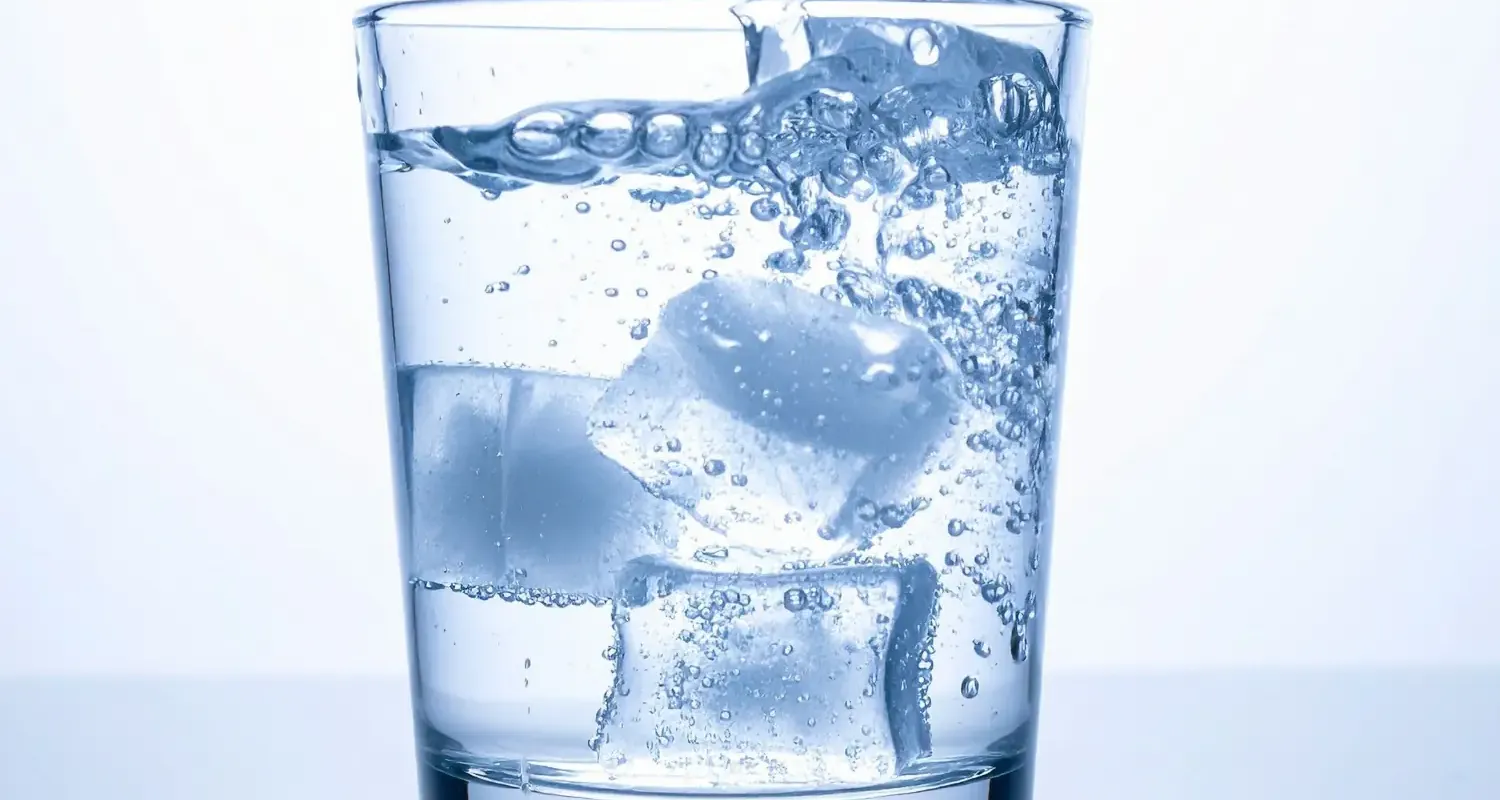
Hydration Is More Than Drinking Water
Most people know they should drink more water.
But hydration is about much more than carrying a reusable water bottle.
Every cell, organ, and system in your body relies on water to function properly. Hydration supports your energy, focus, digestion, circulation, temperature regulation, exercise performance, and recovery.
Whether you're working out, spending time outdoors, sitting at your desk, or simply going about your day, staying hydrated is one of the simplest and most effective ways to support your overall health.
At Vibe, we believe hydration isn't just something you think about after exercise.
It's a daily habit that supports every part of your wellness journey.
Why Hydration Matters
Water makes up approximately 50 to 70 percent of the human body, depending on age, sex, and body composition.
Your body uses water to:
- Regulate body temperature
- Transport nutrients throughout the body
- Support digestion
- Lubricate joints
- Remove waste products
- Support heart function
- Maintain healthy skin
- Aid muscle function
- Support cognitive performance
Even mild dehydration can affect how you feel and perform throughout the day.
How Much Water Do You Need?
There isn't one number that's right for everyone.
Your hydration needs depend on factors including:
- Activity level
- Body size
- Climate
- Age
- Overall health
- Pregnancy or breastfeeding
- Exercise intensity
A common guideline is to aim for about 2.7 liters (91 ounces) of fluids per day for most women and 3.7 liters (125 ounces) for most men, including fluids from beverages and water-rich foods. People who exercise, spend time in hot weather, or sweat heavily often need more.
Instead of focusing only on ounces, pay attention to how your body feels and adjust your intake throughout the day.
Signs You May Be Dehydrated
Your body often gives you early warning signs when it's time to drink more fluids.
Common signs include:
- Feeling thirsty
- Dry mouth
- Headache
- Fatigue
- Dark yellow urine
- Dizziness
- Difficulty concentrating
- Muscle cramps during exercise
Waiting until you're extremely thirsty often means you're already becoming dehydrated.
Making hydration a consistent habit is usually more effective than trying to "catch up" later.
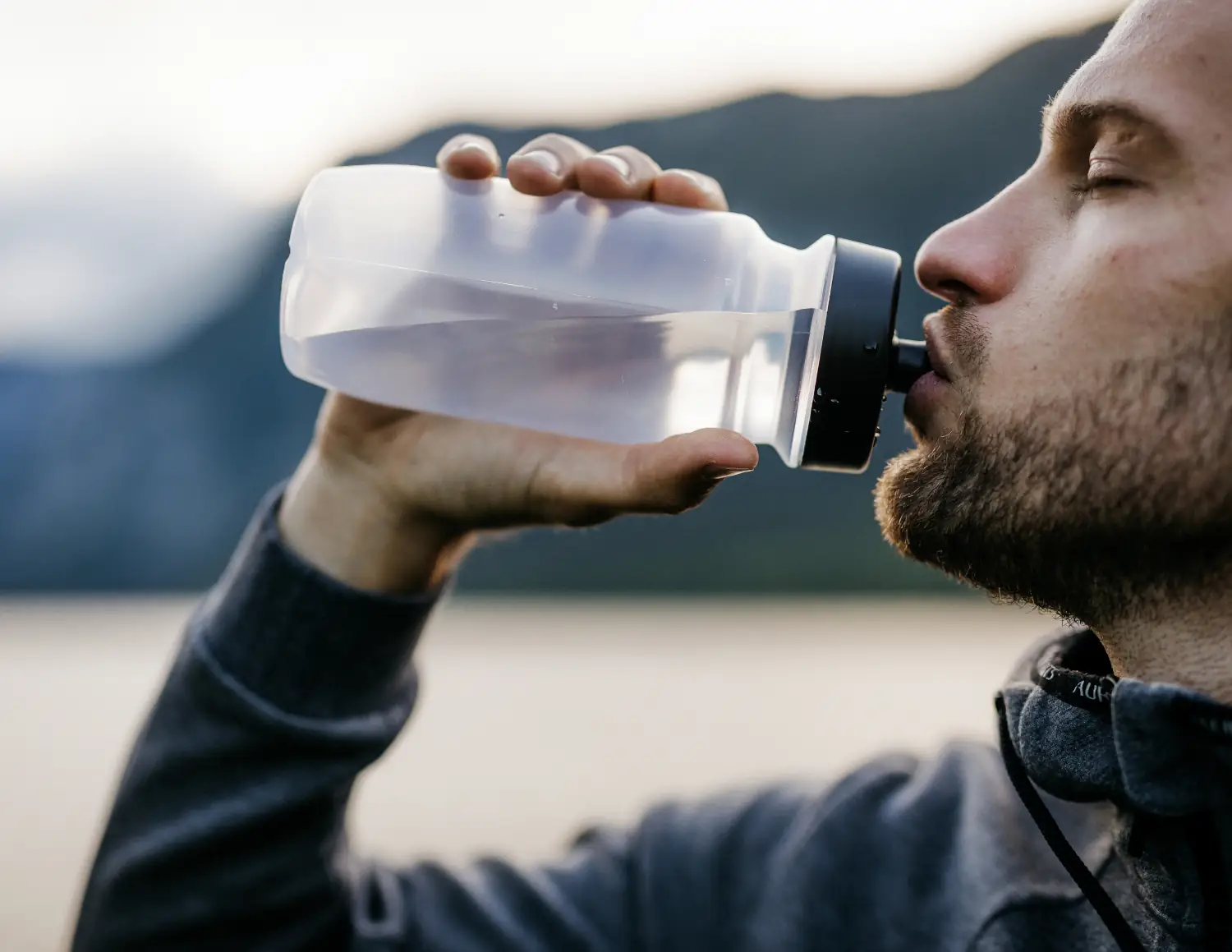
Water Isn't the Only Source of Hydration
While water is the best place to start, many foods and beverages contribute to your daily fluid intake.
Hydrating foods include:
- Watermelon
- Cucumbers
- Strawberries
- Oranges
- Tomatoes
- Lettuce
- Celery
- Soups
Milk, sparkling water, herbal tea, and other beverages can also contribute to hydration.
The goal is maintaining consistent fluid intake throughout the day.
What About Electrolytes?
Electrolytes are minerals that help regulate fluid balance, muscle contractions, and nerve function.
Some of the most well-known electrolytes include:
- Sodium
- Potassium
- Magnesium
- Calcium
For most everyday activities, drinking water and eating a balanced diet provides adequate hydration.
However, if you're exercising for extended periods, sweating heavily, participating in endurance events, or spending time in hot weather, beverages or foods containing electrolytes may help replace what your body loses through sweat.
Electrolytes are meant to complement hydration, not replace water.
Hydration Before, During, and After Exercise
Staying hydrated throughout the day is one of the best ways to prepare for exercise.
Before Exercise
Drink fluids regularly leading up to your workout rather than waiting until you arrive at the gym.
During Exercise
For most workouts under an hour, drinking water as needed is generally sufficient.
Longer or more intense sessions, particularly in hot environments, may require additional fluids and electrolytes.
After Exercise
Replace fluids lost through sweat and pair hydration with balanced nutrition to support recovery.
Can Coffee Count?
Coffee and tea often get a bad reputation for causing dehydration.
The good news is that, for most people, moderate amounts of coffee and tea still contribute to daily fluid intake.
If you regularly enjoy coffee, you don't need to avoid it for hydration purposes.
However, it's still important to drink water consistently throughout the day, especially if you're active or consuming multiple caffeinated beverages.
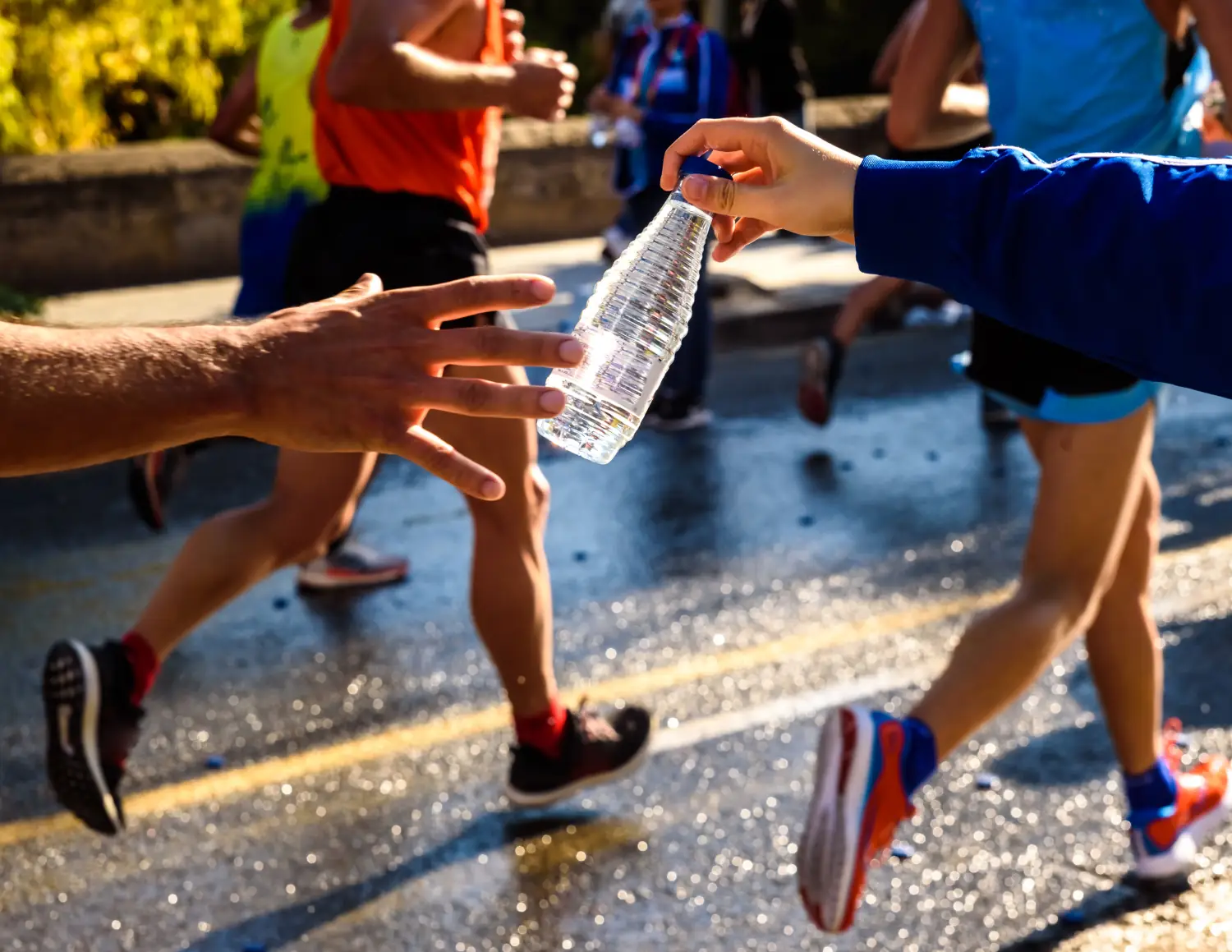
Hydration and The Vibe Method
Hydration influences every pillar of The Vibe Method.
MOVE
Proper hydration supports physical performance, endurance, and movement throughout the day.
FUEL
Water is an essential nutrient that helps your body transport nutrients and support normal body functions.
RECOVER
Replacing fluids after exercise supports recovery and prepares your body for your next workout.
LEARN
Understanding your hydration needs helps you make informed choices based on your lifestyle, activity level, and environment.
CONNECT
Healthy habits are easier to maintain when your environment supports them. Bring a water bottle to your next Vibe class, encourage a friend to stay hydrated, or grab a refreshing beverage after a Vibe Run.
Simple Ways to Stay Hydrated
Building better hydration habits doesn't have to be complicated.
Try these strategies:
- Start your morning with a glass of water.
- Carry a reusable water bottle throughout the day.
- Drink water with every meal.
- Eat more fruits and vegetables with high water content.
- Increase fluids before, during, and after exercise.
- Pay attention to thirst and urine color as general hydration cues.
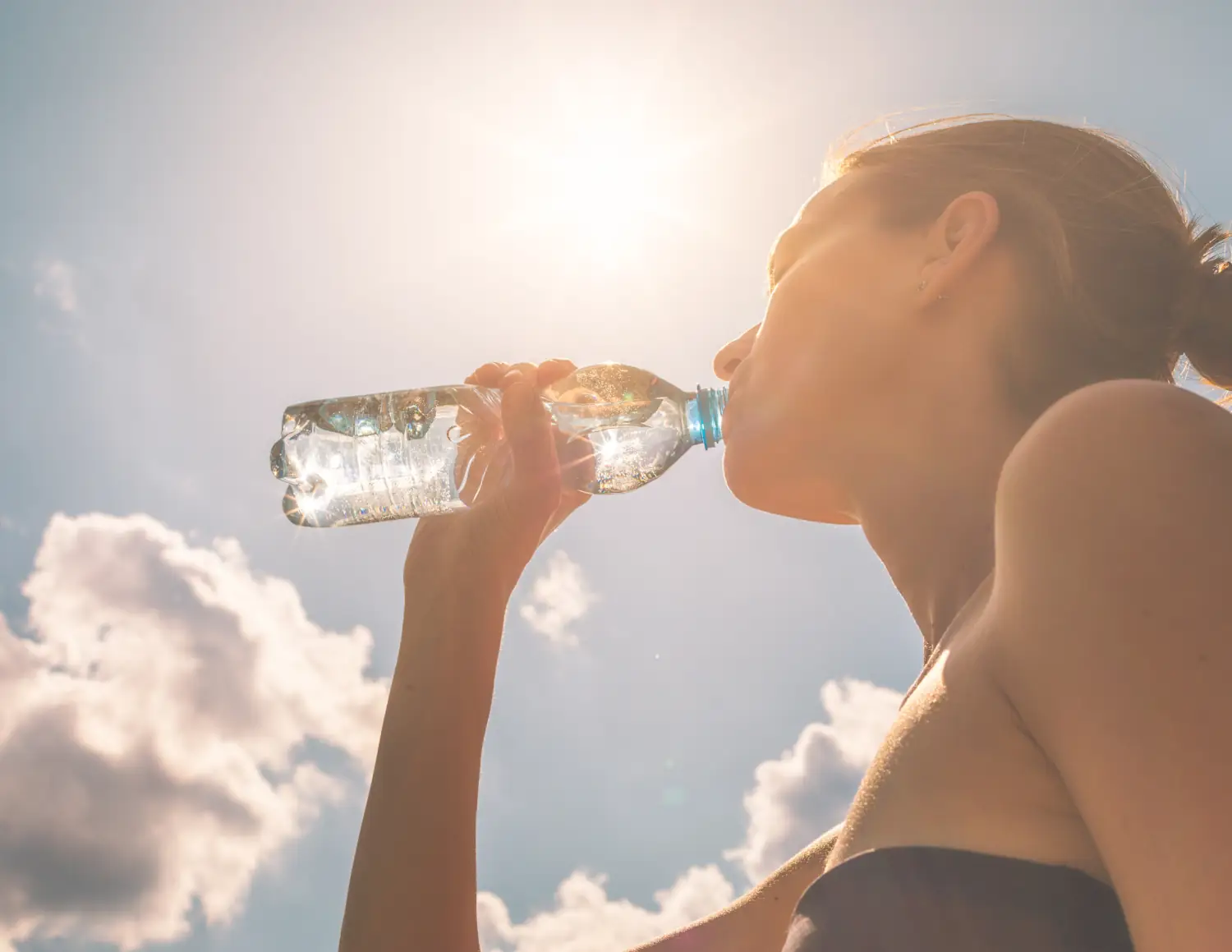
- Drink more fluids during hot weather or when exercising outdoors.
Small habits practiced consistently often make the biggest difference.
Questions We Hear Every Day
How much water should I drink every day?
Hydration needs vary based on your body, activity level, environment, and overall health. General recommendations suggest about 2.7 liters (91 ounces) of fluids daily for most women and 3.7 liters (125 ounces) for most men, including fluids from beverages and food. People who exercise regularly or sweat heavily often need additional fluids.
What are the signs of dehydration?
Common signs include thirst, dark yellow urine, dry mouth, fatigue, headaches, dizziness, muscle cramps, and difficulty concentrating. Staying hydrated consistently throughout the day is the best way to prevent dehydration.
Do I need electrolytes?
Most people get enough electrolytes through a balanced diet and regular fluid intake. If you're participating in long workouts, endurance events, exercising in the heat, or sweating heavily, electrolyte-containing foods or beverages may help replace minerals lost through sweat.
Does coffee dehydrate you?
Not necessarily. Moderate amounts of coffee and tea still contribute to your daily fluid intake. While caffeine has a mild diuretic effect for some people, it generally doesn't outweigh the fluids you're consuming.
Can you drink too much water?
Yes. Although uncommon, drinking excessive amounts of water in a short period can dilute sodium levels in the blood. Most people can avoid this by drinking according to thirst, increasing fluids during exercise or heat, and avoiding excessive intake beyond their body's needs.
Is sparkling water as hydrating as regular water?
Yes. Plain sparkling water hydrates the body just like still water. If choosing flavored varieties, check the label for added sugars or sodium if those are concerns for your dietary needs.
Are sports drinks necessary?
Not for most workouts. Water is generally enough for everyday activity and workouts lasting under an hour. Sports drinks may be beneficial during prolonged or high-intensity exercise, particularly in hot conditions or when replacing significant sweat losses.
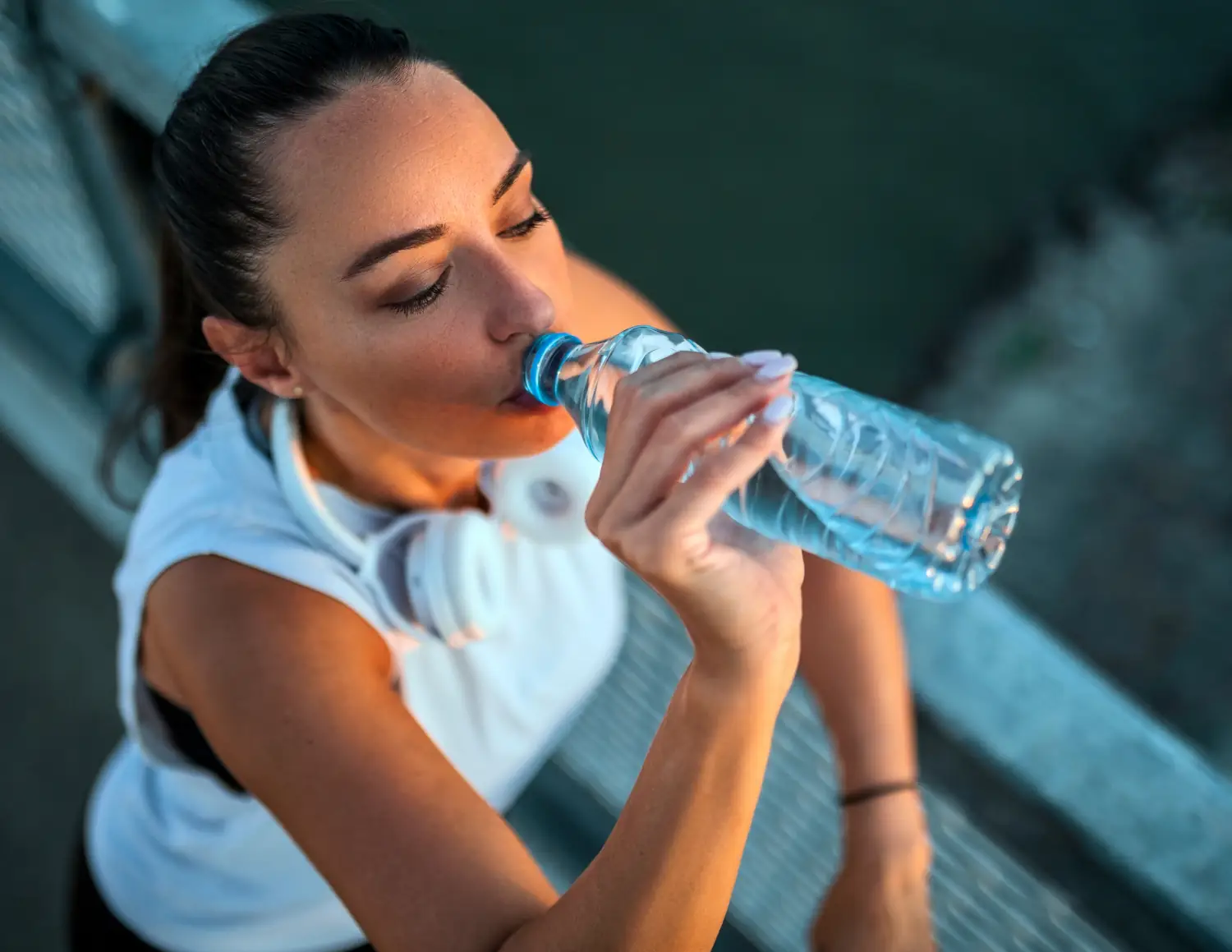
Apply The Vibe Method
MOVE
Bring a water bottle to your next workout or Group Fitness class and sip fluids before, during, and after exercise.
FUEL
Choose water as your primary beverage today and include water-rich foods like fruits and vegetables with your meals.
RECOVER
Rehydrate after your workout and pair fluids with a balanced meal that includes protein and carbohydrates.
LEARN
Continue reading Nutrition 101 or Electrolytes Explained to better understand how hydration supports your overall wellness.
CONNECT
Join a Vibe Run or community event and make hydration part of your routine alongside friends and fellow members.
Hydration Is One of the Simplest Ways to Support Your Health
You don't need an expensive supplement or complicated wellness routine to improve your health.
Sometimes, one of the most powerful habits is also one of the simplest.
By staying consistently hydrated, you're supporting your body's ability to move, recover, think clearly, and perform at its best.
At Vibe, The Vibe Method reminds us that wellness is built through small habits practiced consistently. Hydration is one of those habits. It's not just about drinking more water. It's about giving your body the support it needs to thrive every single day.