We talk about protein. We track our steps. We compare sleep scores, hydration habits, workout splits, and whether or not we’re getting enough fiber.
But somewhere between our morning coffee and our post workout smoothie, there’s another relationship quietly influencing how we feel every day:
Our gut.
And maybe it’s time we gave it a little more attention.
Gut health has become one of wellness culture’s favorite topics, and naturally, one of its most confusing. Probiotic supplements line store shelves. Social media promises the perfect morning routine for a “healthy gut.” Fermented everything seems to be having a moment.
But gut health is much bigger than one supplement, one food, or whether you occasionally feel bloated after dinner.
Your digestive system is part of a much larger network that interacts with your immune system, metabolism, nervous system, and overall health.
So, what does taking care of your gut actually look like?
Let’s talk about it.
First, What Do We Mean by “Gut Health”?
When people talk about gut health, they’re often referring to how well the gastrointestinal system functions including the community of microorganisms living inside it, known as the gut microbiome.
Your gut microbiome contains trillions of microorganisms, including bacteria, that interact with your body in ways researchers are still working to fully understand.
And no, bacteria aren't automatically the villain of the story.
Many of the microorganisms living in your digestive tract help with functions such as breaking down components of food, producing certain compounds, interacting with the immune system, and supporting the environment within your digestive tract.
Think less good bacteria versus bad bacteria and more ecosystem.
The goal isn't to create a “perfect” gut. It’s to support an environment that can function well.
Myth #1: Probiotics Are a Cure-All for Gut Health
We love a wellness shortcut.
Take one capsule every morning and suddenly everything is fixed?
If only our bodies were that simple.
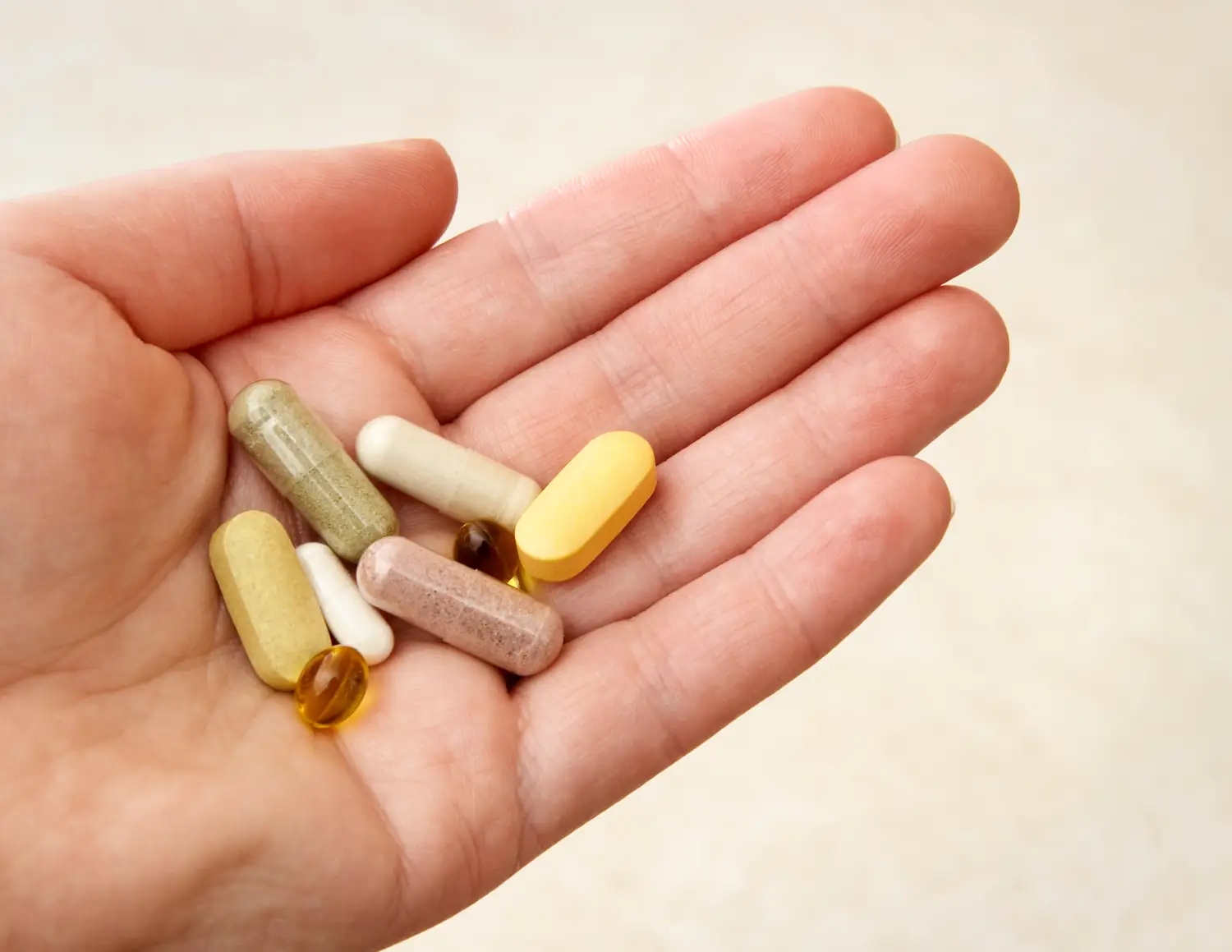
Probiotics can be beneficial in certain situations, but they aren't a universal solution for gut health.
Different probiotic products contain different organisms and strains, and those strains can have different effects. What may be useful for one person or one specific condition may not have the same effect for someone else.
That means grabbing the probiotic with the biggest number on the label isn't necessarily the answer.
Gut health is influenced by much more than probiotics, including:
- The foods you regularly eat
- Fiber intake
- Hydration
- Sleep
- Physical activity
- Stress
- Medications and certain health conditions
- Your individual biology
In other words, you can't supplement your way around your lifestyle.
A probiotic may have a place in your routine, but it should be viewed as one potential tool—not the entire toolbox.
Myth #2: A Healthy Gut Requires a Complicated Routine
Somewhere along the way, taking care of ourselves became incredibly elaborate.
Powders. Greens. Tonics. Supplements. Special drinks. Morning protocols with enough steps to qualify as their own Group Fitness class.
But supporting your gut doesn't have to become another full-time job.
Some of the most practical habits are also the least glamorous.
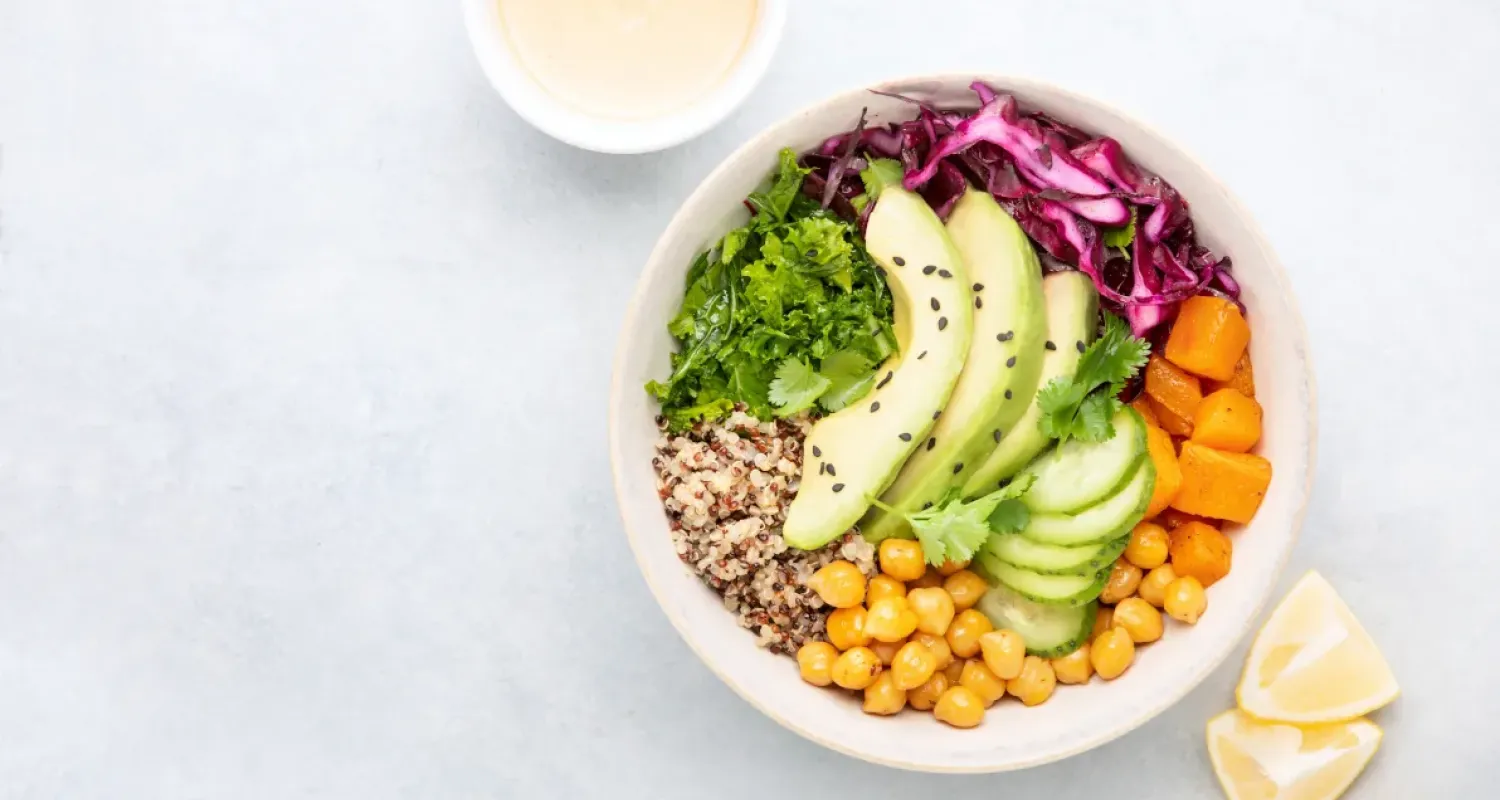
Eat More Plants
Plant foods provide fiber and other compounds that interact with the microorganisms living in your digestive tract.
Instead of obsessing over one “superfood,” think about variety over time.
Try rotating through:
- Vegetables
- Fruits
- Beans and lentils
- Whole grains
- Nuts
- Seeds
Your salad doesn't need 17 ingredients every afternoon. Start with what you enjoy and build from there.
Don't Forget Fiber
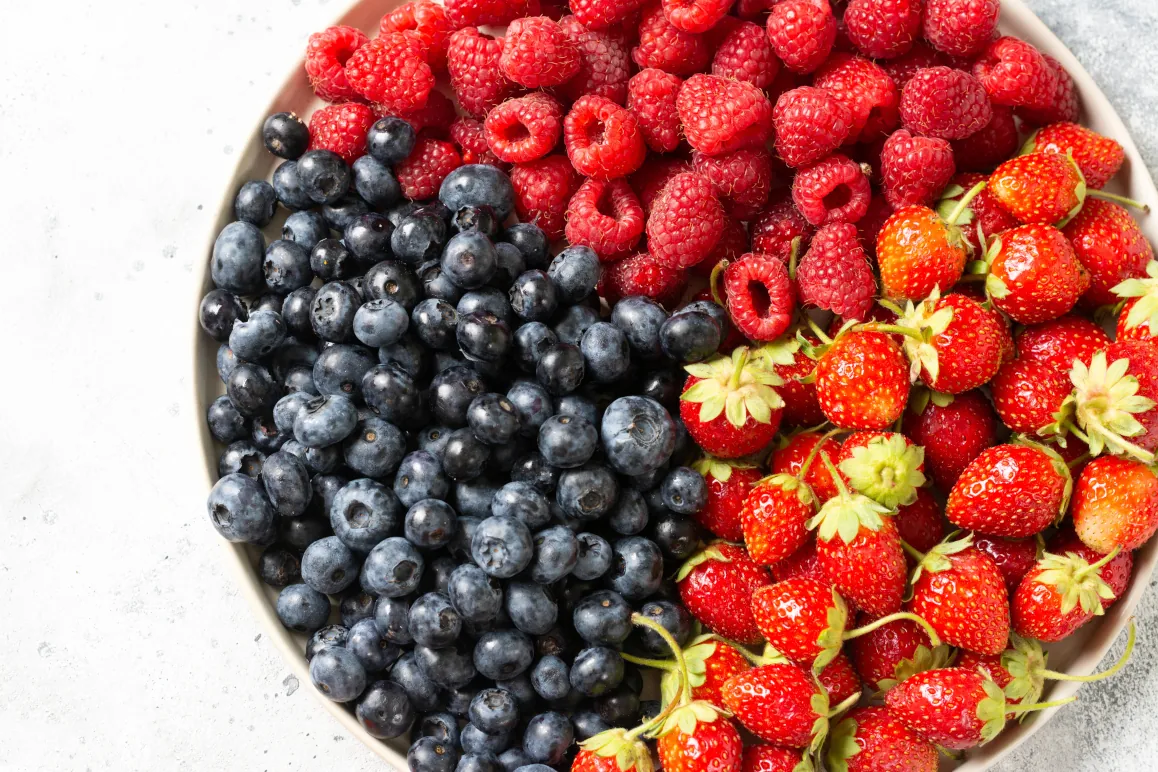
Fiber supports digestive health and also serves as fuel for certain gut microorganisms.
Whole foods such as oats, berries, beans, lentils, vegetables, whole grains, nuts, and seeds can help increase fiber naturally.
If your current fiber intake is low, increase it gradually and make sure you're drinking enough fluids along the way.
Your gut generally appreciates consistency more than a dramatic overnight makeover.
Move Your Body
Yes, movement makes its way into the gut-health conversation too.
Regular physical activity supports overall metabolic and digestive health and provides yet another reason movement doesn't have to be solely about changing how your body looks.
Walk. Lift. Cycle. Take a class. Stretch.
Your body was designed to move, and the benefits extend far beyond your muscles.
Pay Attention to Stress and Sleep
Have you ever been nervous and suddenly lost your appetite?
Or felt stressed and immediately needed to find the nearest bathroom?
That's not your imagination.
Your digestive system and brain communicate through what researchers often call the gut-brain axis.
Stress won't automatically “ruin your gut,” but chronic stress and disrupted sleep can influence how your body feels and functions.
Which means recovery isn't an indulgence.
It's part of the program.
Myth #3: Gut Health Is Just About Digestion
This may be the biggest misconception of all.
We tend to think about our gut only when it starts complaining.
Bloating? Gut.
Constipation? Gut.
Stomachache? Definitely gut.
But researchers increasingly understand the gut as part of a much larger system.
Your digestive tract and gut microbiome interact with processes involved in:
- Immune function
- Energy and metabolism
- Brain signaling and mood
- Nutrient absorption
- Appetite regulation
- Hormonal and metabolic signaling
- Waste elimination
- Overall well-being
Gut health isn't a magic switch controlling every part of your body, and we should be wary of anyone promising that “healing your gut” will solve every health concern.
But it also isn't an isolated system concerned only with what happens after lunch.
Your body is connected.
And your gut is part of that conversation.
Stop Looking for the “Perfect” Gut
This might be the most important part.
There is no universally perfect microbiome.
There is no one food everyone needs to eat.
And there certainly isn't one supplement capable of transforming every person's gut health.
Your body is individual.
Instead of chasing perfection, focus on creating an environment your body can thrive in consistently:
- Eat a variety of nutrient-dense foods.
- Include fiber-rich plants regularly.
- Stay hydrated.
- Move your body.
- Prioritize sleep.
- Find realistic ways to manage stress.
- Pay attention to how different foods make you feel.
And if you're regularly experiencing significant digestive symptoms, don't assume they're something you simply need to “fix” with another wellness product. Persistent pain, major changes in bowel habits, unexplained weight loss, blood in the stool, or other concerning symptoms deserve a conversation with a qualified healthcare professional.
Your Gut Doesn't Need Another Trend
Wellness culture loves extremes.
Your body usually prefers consistency.
Supporting gut health isn't about drinking the right trendy beverage or building the perfect supplement shelf.
It's about creating habits that support the whole person how you eat, how you move, how you recover, how you manage stress, and how you feel.
Because perhaps the real gut-health question isn't:
“What supplement should I take?”
Maybe it's:
“What does my body need more consistently?”
And that answer might look a lot simpler than your social feed would have you believe.
Continue Your Journey
Gut health is one part of your bigger wellness picture. Explore ways to support your body throughout the Vibe ecosystem.
Recommended Experiences
- Build balanced, nutrient-dense meals with wholesome options from Pure Eats.
- Connect with a Vibe FIT coach to create sustainable nutrition, movement, and recovery habits that support your goals.
- Explore Group Fitness and other ways to make regular movement part of your routine.
At Vibe, wellness isn't about chasing every new trend. It's about understanding your body, staying curious, and creating simple habits you can actually live with.
Because feeling good shouldn't be complicated.